

Hey there! I'm a supplier of stainless steel nuts, and it's a question I get all the time: "What size wrench is needed for a stainless steel nut?" Well, let me break it down for you.
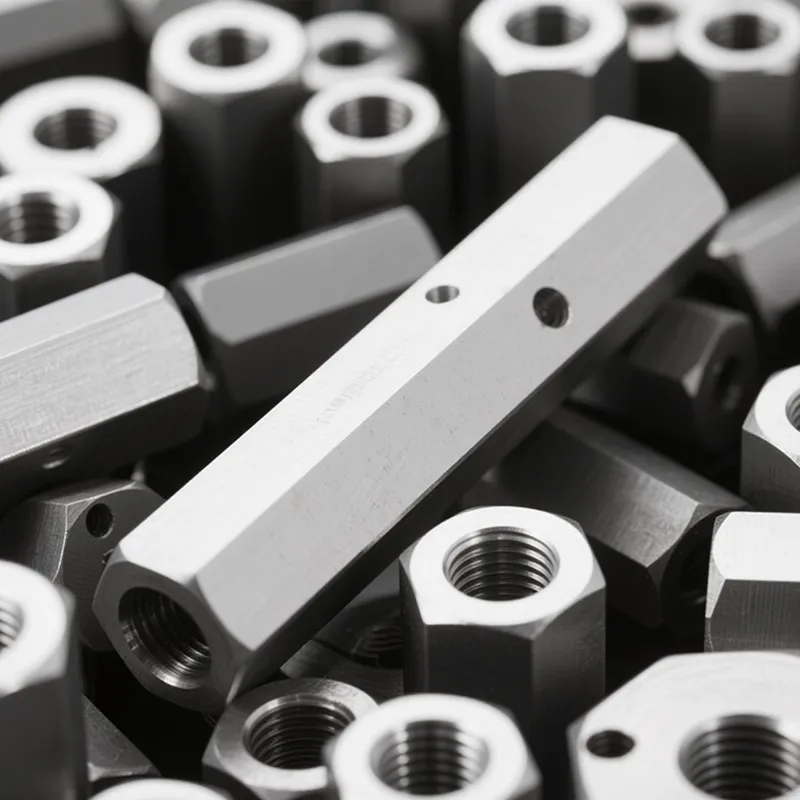
First off, stainless steel nuts come in a variety of shapes and sizes, and each one requires a specific wrench size to fit properly. The most common types of stainless steel nuts you'll come across are the hexagon cap nut, the hex nut screw, and the long hex nut. You can check out these products at Hexagon Cap Nut, Hex Nut Screw, and Long Hex Nut.
Understanding Nut Sizes
Nut sizes are typically measured in either metric or imperial units. Metric nuts are measured in millimeters, while imperial nuts are measured in inches. It's super important to know which system you're dealing with, as using the wrong size wrench can lead to stripped nuts or other complications.
Metric Nuts
Metric nuts are widely used in many countries around the world due to the simplicity and uniformity of the metric system. The size of a metric nut is determined by its diameter and pitch. The diameter is the width of the nut across the flats (the parallel sides), and the pitch is the distance between the threads.
For example, an M8 nut has a diameter of 8 millimeters. To tighten or loosen an M8 stainless steel nut, you'd typically need a wrench with a size of 13 millimeters. Here's a quick table of some common metric nut sizes and their corresponding wrench sizes:

| Nut Size (mm) | Wrench Size (mm) |
|---|---|
| M4 | 7 |
| M5 | 8 |
| M6 | 10 |
| M8 | 13 |
| M10 | 17 |
| M12 | 19 |
Imperial Nuts
Imperial nuts are still commonly used in the United States and a few other countries. Imperial nut sizes are often referred to by a number rather than a specific measurement. For instance, a 1/4 - 20 nut has a diameter of 1/4 inch and 20 threads per inch.
To work with an imperial nut of this size, you'd need a 7/16 - inch wrench. Here's a table of some common imperial nut sizes and their matching wrench sizes:
| Nut Size (inches) | Wrench Size (inches) |
|---|---|
| 1/4 - 20 | 7/16 |
| 5/16 - 18 | 1/2 |
| 3/8 - 16 | 9/16 |
| 7/16 - 14 | 5/8 |
| 1/2 - 13 | 3/4 |
Factors Affecting Wrench Size Selection
Now, it's not always as straightforward as just looking at the nut size and grabbing the corresponding wrench. There are a few other factors that can affect which wrench you should use.
Nut Type
Different types of nuts may require different wrench styles. For example, a regular hex nut can be tightened with an open - end wrench or a box - end wrench. Open - end wrenches are good for quick adjustments, while box - end wrenches provide more torque and a more secure fit.
If you're dealing with a hexagon cap nut, you might want to use a socket wrench. Socket wrenches are great for tight spaces and provide a lot of leverage. You can find some great hexagon cap nuts at Hexagon Cap Nut.
Application
The application where the nut is being used also matters. If you're working on a delicate piece of equipment, you might want to use a softer - faced wrench to avoid damaging the nut or the surrounding parts. On the other hand, if you're dealing with heavy - duty machinery, you'll need a wrench that can handle a lot of torque.
Choosing the Right Wrench Brand
When it comes to wrenches, not all brands are created equal. You want to choose a wrench that is made from high - quality materials and has a good reputation. There are many well - known brands out there that offer a wide range of wrench sizes and types.
Some popular brands make wrenches that are designed to be durable and long - lasting. You don't want to be in the middle of a project and have your wrench break on you! Look for wrenches that are made from chrome - vanadium steel or other high - strength alloys.
Tips for Using the Right Wrench
Once you've selected the correct wrench for your stainless steel nut, there are a few tips to keep in mind to ensure you use it properly.
- Clean the Nut and Wrench: Before you start, make sure both the nut and the wrench are clean. Any dirt or debris can prevent the wrench from fitting properly and may cause the nut to strip.
- Apply the Right Amount of Torque: Don't over - tighten the nut. Use a torque wrench if possible to ensure you're applying the correct amount of force. Over - tightening can damage the nut or the threads.
- Check the Fit Regularly: As you're tightening or loosening the nut, check to make sure the wrench is still fitting properly. If it starts to slip, stop and check for any issues.
Why Choose Our Stainless Steel Nuts?
As a supplier of stainless steel nuts, I can tell you that our products are top - notch. We source the best stainless steel materials to ensure our nuts are strong, durable, and resistant to corrosion. Whether you need a hexagon cap nut, a hex nut screw, or a long hex nut, we've got you covered.
Our nuts are made to exacting standards, so you can be confident that they'll fit and perform as expected. And if you ever have questions about what size wrench to use for our nuts, we're here to help.
Reaching Out for a Purchase
If you're in the market for high - quality stainless steel nuts, don't hesitate to reach out for a purchase. Whether you're a DIY enthusiast working on a small project or a professional in the industry, we can supply the nuts you need in the right quantities. Contact us to discuss your specific requirements, and let's get started on fulfilling your nut - related needs today!
References
- Machinery's Handbook: A comprehensive guide to mechanical engineering and manufacturing processes, which provides detailed information on nut and bolt sizes.
- Manufacturer's specifications for stainless steel nuts: These documents often include recommended wrench sizes.
- Online resources for fastener information: Many websites offer detailed charts and guides on nut and wrench sizes.