

Can stainless steel nuts be reused? That's a question I often get asked as a stainless - steel nut supplier. And the answer isn't a simple yes or no. It depends on a bunch of factors, so let's dig into it.
First off, let's talk about what makes stainless steel nuts so great. Stainless steel is known for its corrosion resistance, strength, and durability. These nuts can withstand harsh environments, high temperatures, and exposure to chemicals. That's why they're used in a wide range of industries, from construction to automotive, and even in household applications.
Now, when it comes to reusing stainless steel nuts, the condition of the nut is the key factor. If a nut has been used in a relatively mild environment and hasn't been subjected to excessive stress or wear, there's a good chance it can be reused. For example, in a home DIY project where the nuts were just used to hold a light - weight shelf in place, they're likely in good enough shape to be used again.
But things get a bit more complicated in industrial settings. In high - stress applications, like in heavy machinery or aerospace, the nuts are under a lot of pressure. Over time, this can cause wear and tear on the threads. If the threads are damaged, the nut won't be able to provide a secure fit. You might think you can just force it on, but that can lead to all sorts of problems, like loosening over time or even causing damage to the bolt it's paired with.
Another thing to consider is the type of stainless steel nut. There are different types, each designed for specific purposes. For instance, Capnuts are often used when you want to protect the end of a bolt and give a finished look. Hex Head Barrel Nut is great for applications where you need a strong connection in a limited space. And Hexagon Cap Nut is a common choice for general - purpose fastening. The design of these nuts can affect their reusability. Some nuts have a more complex design that might make them more prone to damage during use.
Let's also talk about the installation and removal process. If the nuts were installed and removed properly, they're more likely to be reusable. Using the right tools is crucial. For example, if you use a wrench that's too big or too small, you can damage the nut. Also, overtightening or undertightening the nut can cause problems. Overtightening can strip the threads, while undertightening can lead to the nut coming loose during use.
When you're thinking about reusing a stainless steel nut, you should inspect it carefully. Look for signs of wear, such as rounded edges on the hexagon part of the nut, or damage to the threads. You can use a thread gauge to check if the threads are still in good condition. If the threads are worn or damaged, it's probably best not to reuse the nut.

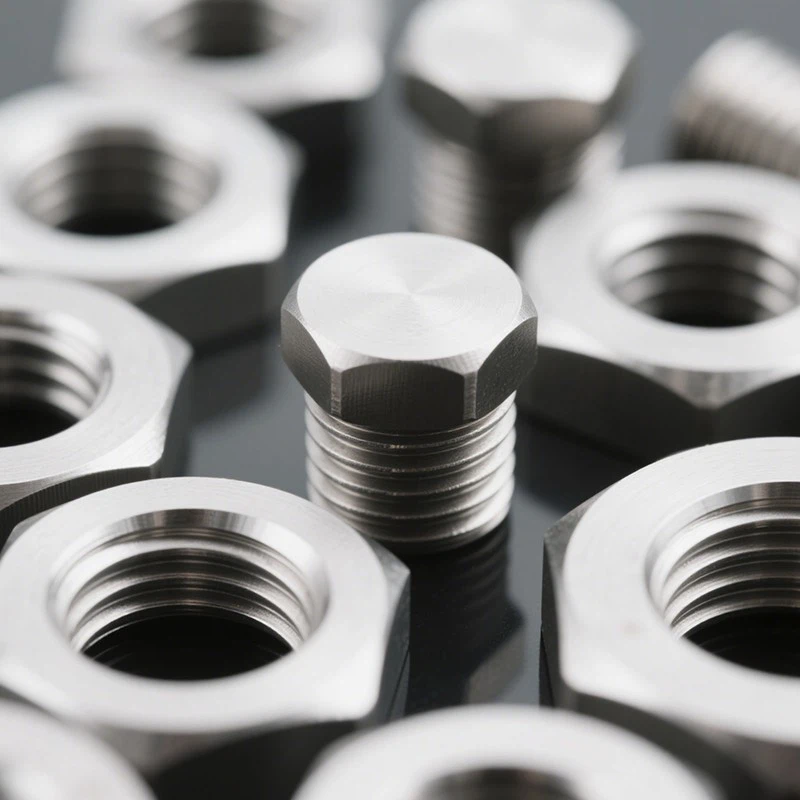
In some cases, even if the nut looks okay on the outside, there could be internal damage. For example, if the nut has been exposed to high temperatures, it could have undergone a change in its internal structure. This might not be visible to the naked eye, but it can affect the nut's performance.
Now, let's talk about the cost - benefit analysis of reusing stainless steel nuts. On one hand, reusing nuts can save you money. You don't have to buy new ones every time. But on the other hand, if a reused nut fails, it can cause a lot of problems. In an industrial setting, a failed nut can lead to equipment downtime, which can be very costly. So, you need to weigh the potential savings against the risk of failure.
If you do decide to reuse stainless steel nuts, there are some steps you can take to make sure they work properly. First, clean the nut thoroughly. Remove any dirt, debris, or rust that might have accumulated on it. You can use a wire brush or a solvent to clean it. Then, lubricate the threads. This can make it easier to install the nut and can also help prevent corrosion in the future.
In conclusion, stainless steel nuts can be reused in many cases, but it's important to do a proper inspection first. Consider the environment they were used in, the type of nut, and the installation and removal process. If you're unsure, it's always better to err on the side of caution and use a new nut.
As a stainless - steel nut supplier, I'm here to help you make the right decision. Whether you need new nuts or have questions about reusing the ones you have, feel free to reach out. We can have a chat about your specific needs and find the best solution for you.
References
- "Stainless Steel Fasteners Handbook"
- Industry standards and guidelines on fastener reuse