

Alright, if you're in the hardware biz or just someone who likes to tinker around with tools, you've probably come across hex nuts. I'm a hex nut supplier, and I get a lot of questions about these little guys. One question that pops up pretty often is, "What is the lifespan of a hex nut?" Let's dig into this and find out.
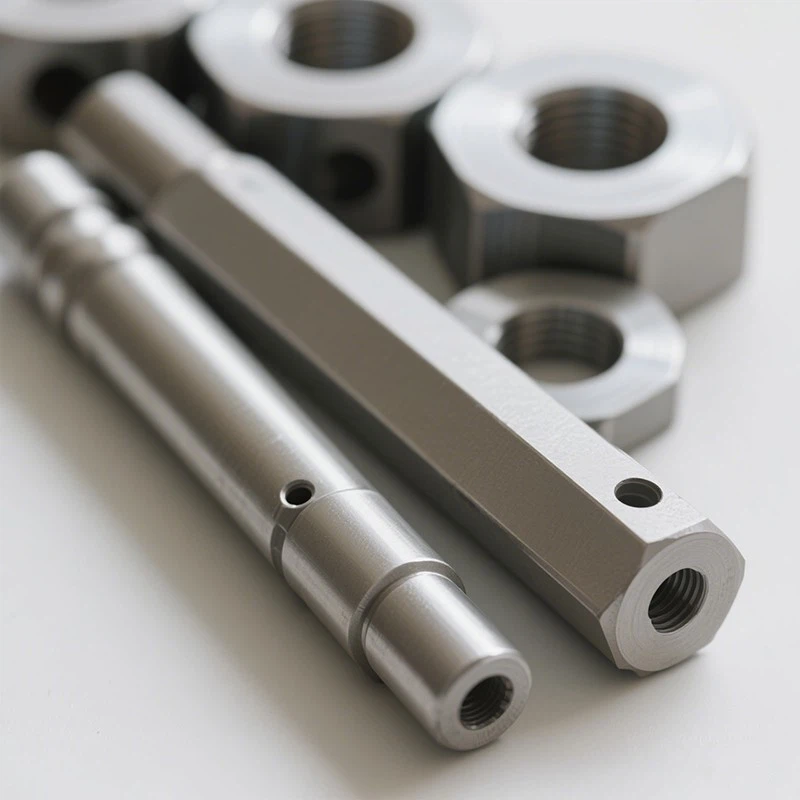
First off, what the heck is a hex nut anyway? A hex nut, short for hexagonal nut, has six sides. It's one of the most common types of nuts out there. You use it in combination with bolts to fasten two or more objects together. There are different variations, like the Long Hex Nut, Hex Bolt Nut, and Hex Head Barrel Nut. Each type serves a specific purpose, but they all share the basic function of securing things.
Now, onto the big question: how long does a hex nut last? Well, there's no one - size - fits - all answer. A bunch of factors play a role in determining the lifespan of a hex nut.
Material Matters
The material a hex nut is made from is a huge deal. Hex nuts can be crafted from various materials, including steel, stainless steel, brass, and nylon. Steel hex nuts are super common because they're strong and relatively inexpensive. But regular steel can rust if it's exposed to moisture. So, if you're using steel hex nuts outdoors or in a damp environment, their lifespan might be cut short due to corrosion.
Stainless steel hex nuts, on the other hand, are corrosion - resistant. They've got a layer of chromium that forms a protective oxide film on the surface. This makes them a great choice for harsh conditions, like marine environments or places with a lot of humidity. I'd say stainless steel hex nuts can last a really long time, maybe decades if they're not under extreme stress.
Brass hex nuts are known for their good electrical conductivity and resistance to corrosion. They're often used in electrical applications. Since brass is a non - ferrous metal, it doesn't rust like steel. These nuts can have a long lifespan, especially if they're in a stable environment with minimal exposure to harsh chemicals.
Nylon hex nuts, also called nylon - inserted lock nuts, are used when you need to prevent loosening. The nylon insert provides friction that helps keep the nut in place. However, nylon can degrade over time, especially when exposed to high temperatures or certain chemicals. So, their lifespan might be shorter compared to metal nuts in some situations.

Environmental Conditions
Where the hex nut is used matters a ton. If it's in a clean, dry indoor environment, it's going to last a lot longer than if it's outside in the elements. Outdoor hex nuts have to deal with rain, snow, UV rays, and temperature changes. These can cause corrosion, expansion and contraction, which all wear down the nut.
In industrial settings, hex nuts might be exposed to chemicals, oils, and high - pressure steam. These substances can corrode the nut or weaken its structure. For example, if a hex nut is used in a chemical plant, it could be exposed to acids or alkalis that eat away at the material.
Load and Stress
How much load and stress a hex nut has to bear is another key factor. If a hex nut is used in a high - stress application, like a heavy - duty machine or a bridge, it will experience more wear and tear. The constant vibration and pressure can cause the nut to loosen or even break.
In contrast, if a hex nut is used in a low - stress application, like a simple piece of furniture, it can last a really long time. The minimal load means there's less force acting on the nut, so it doesn't get worn out as quickly.
Installation and Maintenance
Proper installation is crucial for the lifespan of a hex nut. If the nut isn't tightened correctly, it can come loose. Loose nuts can cause vibrations, which in turn can lead to wear and tear on the nut and the surrounding components.
Regular maintenance also plays a part. Checking the nuts for tightness, looking for signs of corrosion or damage, and replacing them when necessary can extend their lifespan. For example, in a car engine, mechanics regularly check and tighten the nuts to make sure everything is in place.
Estimating the Lifespan
It's tough to give a definite answer on how long a hex nut will last. In a light - duty, indoor application with good quality stainless - steel nuts, you might expect them to last 20 to 50 years. In a high - stress, outdoor environment using regular steel nuts, they could start to show signs of wear in just a few years.
If you're using hex nuts in a more critical application, like an aerospace or medical device, the standards are much higher. These industries often have strict testing and replacement schedules to ensure the safety and reliability of the equipment.
Conclusion
So, as you can see, the lifespan of a hex nut depends on a whole bunch of things. Material, environment, load, installation, and maintenance all play a role. If you're looking for the right hex nut for your project, whether it's a Long Hex Nut, Hex Bolt Nut, or Hex Head Barrel Nut, I'm here to help.
I've been in the hex nut supply business for a while, and I know how important it is to get the right product for the job. If you've got questions about which nut is best for your needs or want to discuss a bulk order, don't hesitate to reach out. I can provide you with high - quality hex nuts that are built to last. Let's have a chat and figure out the perfect solution for your project.
References
- Machinery's Handbook: A comprehensive guide to mechanical engineering and manufacturing, which includes information on fasteners like hex nuts.
- ASTM International standards: These standards cover the material, dimensions, and performance requirements of hex nuts.