

As a supplier of hex nuts, I often get asked about the safety features of these seemingly simple yet crucial fasteners. In this blog post, I'll delve into the various safety aspects associated with certain hex nuts and why they matter in different applications.
Locking Mechanisms for Stability
One of the primary safety features of some hex nuts is their locking mechanisms. Lock nuts, for example, are designed to resist loosening due to vibration, rotation, or other external forces. There are different types of lock nuts, each with its own unique locking mechanism.
Nylon-insert lock nuts, also known as nylon patch lock nuts, have a nylon insert near the top of the nut. When the nut is tightened onto a bolt, the nylon insert creates friction against the threads of the bolt, preventing the nut from vibrating loose. This type of lock nut is commonly used in automotive, machinery, and electrical applications where vibration is a concern. You can find a wide range of Hex Bolt Nut options, including nylon-insert lock nuts, on our website.
Another type of lock nut is the prevailing torque lock nut. These nuts have a deformed section or a special thread design that creates a high level of friction when tightened. The friction prevents the nut from loosening under normal operating conditions. Prevailing torque lock nuts are often used in aerospace, military, and other high-stress applications where safety is of utmost importance.
Corrosion Resistance for Longevity
Corrosion can significantly weaken hex nuts over time, leading to potential safety hazards. To address this issue, many hex nuts are made from corrosion-resistant materials or are coated with protective finishes.
Stainless steel hex nuts are a popular choice for applications where corrosion resistance is required. Stainless steel contains chromium, which forms a passive oxide layer on the surface of the nut, protecting it from rust and corrosion. These nuts are commonly used in marine, outdoor, and chemical processing applications.
In addition to stainless steel, other corrosion-resistant materials such as brass and titanium can also be used to make hex nuts. Brass hex nuts are known for their excellent electrical conductivity and are often used in electrical and plumbing applications. Titanium hex nuts, on the other hand, are lightweight and have high strength-to-weight ratios, making them suitable for aerospace and automotive applications.
Coatings can also be applied to hex nuts to enhance their corrosion resistance. Zinc plating is a common coating that provides a sacrificial layer of protection against rust. Other coatings, such as galvanizing, cadmium plating, and powder coating, can also be used depending on the specific application requirements.
Proper Sizing and Torque for Secure Fastening
Using the correct size and torque when installing hex nuts is essential for ensuring a secure and safe fastening. An improperly sized nut or incorrect torque can lead to loosening, over-tightening, or even failure of the fastener.
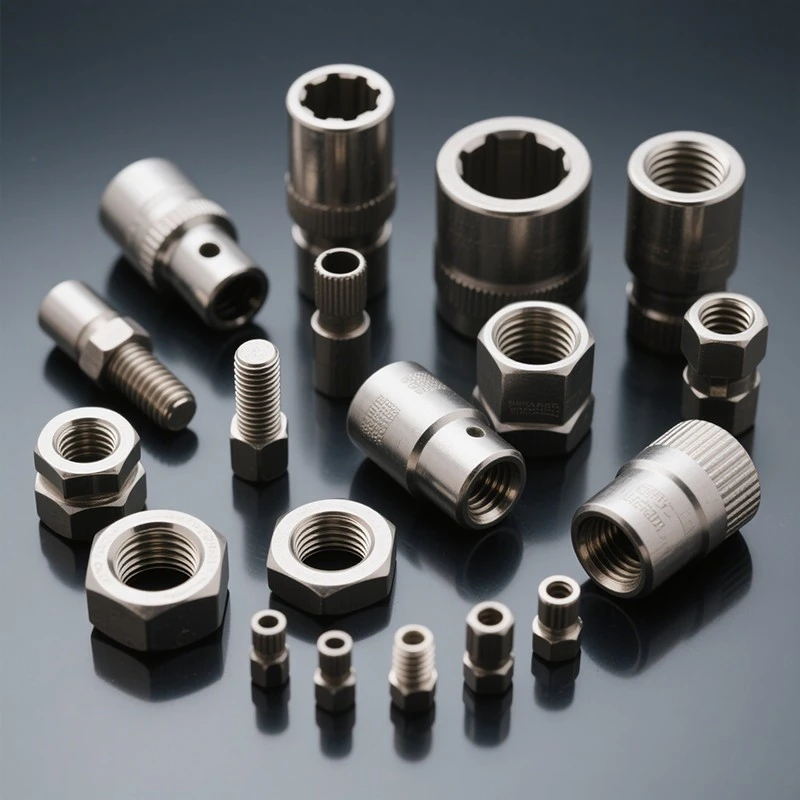

When selecting a hex nut, it's important to choose the correct size based on the diameter and pitch of the bolt. Using a nut that is too small or too large can result in a loose or tight fit, respectively, which can compromise the integrity of the fastening.
Torque is the amount of force applied to the nut to tighten it onto the bolt. Applying the correct torque is crucial for ensuring that the nut is tightened enough to prevent loosening but not so much that it damages the threads or the fastener itself. Torque specifications can vary depending on the application, the material of the nut and bolt, and other factors. It's important to follow the manufacturer's recommendations or consult a professional engineer to determine the appropriate torque for your specific application.
Quality Control and Testing
As a hex nut supplier, we take quality control and testing very seriously. We understand that the safety of our customers' applications depends on the quality of our products. That's why we have strict quality control measures in place throughout the manufacturing process.
We source our raw materials from reputable suppliers and conduct thorough inspections to ensure that they meet our quality standards. During the manufacturing process, we use advanced machinery and techniques to produce hex nuts with consistent dimensions and high precision. We also perform various tests, such as hardness testing, tensile testing, and torque testing, to ensure that our hex nuts meet or exceed the relevant industry standards.
In addition to our internal quality control measures, we also work closely with third-party testing laboratories to conduct independent testing and certification. This helps us to ensure that our products are safe, reliable, and compliant with all applicable regulations.
Conclusion
In conclusion, certain hex nuts offer a variety of safety features that make them suitable for a wide range of applications. Locking mechanisms, corrosion resistance, proper sizing and torque, and quality control are all important factors to consider when choosing hex nuts for your projects.
As a trusted hex nut supplier, we are committed to providing our customers with high-quality products that meet their safety and performance requirements. If you have any questions or need assistance in selecting the right hex nuts for your application, please don't hesitate to contact us. We look forward to working with you and helping you find the perfect fasteners for your needs.
References
- Machinery's Handbook, 31st Edition
- Fastener Standards and Specifications, ASME B18.2.2
- Corrosion Resistance of Metals and Alloys, ASTM G150