

In the realm of fasteners, domed nuts are a unique and often overlooked component. As a dedicated domed nut supplier, I've had the privilege of exploring the many facets of these fasteners, including their acoustic performance. This blog post aims to shed light on what makes the acoustic performance of domed nuts so interesting and relevant in various applications.
Understanding Domed Nuts
Before delving into acoustic performance, it's essential to understand what domed nuts are. Domed nuts, as the name suggests, have a rounded or domed top. This design not only provides a finished and aesthetically pleasing look but also offers functional benefits. They are commonly used in applications where a smooth, non - protruding surface is required, such as in furniture, automotive interiors, and electronic enclosures.
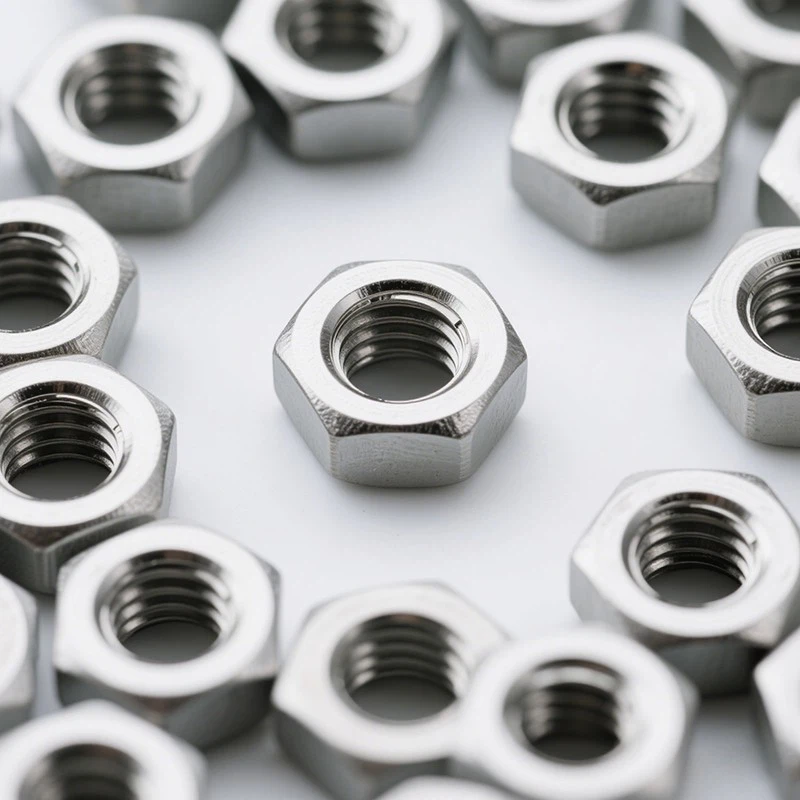
There are different types of nuts in the market, such as Hex Nut, Hexagon Cap Nut, and Metric Nuts. While these nuts serve similar basic functions of fastening, domed nuts stand out due to their unique shape.
The Basics of Acoustic Performance
Acoustic performance refers to how a material or component interacts with sound. In the case of domed nuts, several factors can influence their acoustic behavior.
Vibrational Damping
One of the key aspects of acoustic performance is vibrational damping. When a domed nut is tightened onto a bolt or stud, it can act as a vibration absorber. The domed shape, which is more rounded compared to flat - topped nuts, can help distribute the forces generated by vibrations more evenly. This distribution reduces the intensity of vibrations that are transferred through the fastener.
For example, in a machinery application where there are constant vibrations, a domed nut can help dampen the vibrations. As the machine operates, the vibrations travel through the bolts. The domed nut, with its ability to absorb and dissipate some of the vibrational energy, can prevent the vibrations from causing excessive noise. This is particularly important in environments where noise reduction is a priority, such as in hospitals, laboratories, or quiet office spaces.
Resonance
Resonance is another factor that affects the acoustic performance of domed nuts. Resonance occurs when an object vibrates at its natural frequency, which can amplify the sound. The shape and material of the domed nut play a crucial role in determining its natural frequency.
The domed shape can change the way the nut responds to external vibrations. A well - designed domed nut can have a natural frequency that is different from the frequencies commonly encountered in its operating environment. This means that it is less likely to resonate and produce loud, unwanted noises. For instance, in an automotive engine, where there are a wide range of vibration frequencies, a domed nut with a carefully tuned natural frequency can avoid resonance and contribute to a quieter engine operation.
Material and Acoustic Performance
The material of the domed nut also has a significant impact on its acoustic performance.
Metal Nuts
Most domed nuts are made of metals such as steel, stainless steel, or brass. Steel domed nuts are known for their strength and durability. However, they can also be good conductors of sound. The high density of steel allows sound waves to travel through it relatively easily. To improve the acoustic performance of steel domed nuts, manufacturers can use techniques such as adding a rubber or plastic insert. These inserts can act as dampers, reducing the transmission of sound through the nut.
Stainless steel domed nuts, on the other hand, are corrosion - resistant and have similar acoustic properties to steel nuts. Their smooth surface finish can also have an impact on how sound reflects off the nut. A smooth surface can cause sound waves to reflect more uniformly, which may or may not be desirable depending on the application.
Brass domed nuts are softer than steel and stainless steel. They have a lower density, which means that they are not as good at conducting sound. This makes brass domed nuts a good choice for applications where noise reduction is important. The softer material can also absorb more vibrational energy, further contributing to better acoustic performance.
Non - Metal Nuts
In addition to metal nuts, there are also non - metal domed nuts available, such as those made of nylon or plastic. These non - metal nuts have excellent acoustic properties. They are very good at damping vibrations and reducing noise. Nylon domed nuts, for example, are lightweight and have a high degree of flexibility. This flexibility allows them to absorb vibrations easily, making them ideal for applications where noise reduction is a top priority.
Applications and Acoustic Benefits
The acoustic performance of domed nuts makes them suitable for a wide range of applications.
Furniture
In the furniture industry, domed nuts are often used for aesthetic reasons. However, their acoustic performance also adds value. When furniture is moved or used, there can be small vibrations and movements. The domed nuts can help dampen these vibrations, preventing the furniture from making creaking or rattling noises. This is especially important for high - end furniture where a quiet and smooth operation is expected.
Electronics
In electronic enclosures, domed nuts can play a crucial role in noise reduction. Electronic devices often generate heat, and fans are used to cool them. The operation of the fans can cause vibrations. The domed nuts used to secure the components inside the enclosure can dampen these vibrations, reducing the noise generated by the device. This is important for devices such as computers, audio equipment, and televisions, where a quiet operation is desired.
Automotive
In the automotive industry, domed nuts are used in various parts of the vehicle. In the engine compartment, they can help reduce the noise generated by the engine vibrations. In the interior of the car, domed nuts can be used to secure trim pieces and other components. By dampening vibrations, they can prevent rattling noises, providing a more comfortable and quiet driving experience.
Choosing the Right Domed Nut for Acoustic Performance
When selecting a domed nut for an application where acoustic performance is important, several factors should be considered.
Shape and Size
The shape and size of the domed nut can affect its acoustic performance. A larger domed nut may have more surface area to absorb vibrations, but it may also have a different natural frequency compared to a smaller one. The height and curvature of the dome can also influence how the nut responds to vibrations.
Material
As mentioned earlier, the material of the domed nut is crucial. Depending on the application, a metal or non - metal nut may be more suitable. For applications where strength and durability are important, a metal nut may be the choice. However, if noise reduction is the primary concern, a non - metal nut or a metal nut with a damping insert may be preferred.
Tightening Torque
The tightening torque of the domed nut can also impact its acoustic performance. If the nut is not tightened properly, it may not be able to dampen vibrations effectively. On the other hand, over - tightening the nut can cause it to deform, which can also affect its acoustic properties. It is important to follow the manufacturer's recommended tightening torque to ensure optimal acoustic performance.

Conclusion
The acoustic performance of domed nuts is a complex but important aspect of their functionality. Their ability to dampen vibrations, avoid resonance, and contribute to noise reduction makes them a valuable choice in many applications. As a domed nut supplier, I understand the importance of providing high - quality nuts that meet the acoustic requirements of our customers.
If you are interested in learning more about our domed nuts or have specific acoustic performance requirements for your application, I encourage you to reach out to us. We are committed to providing the best solutions for your fastening needs. Whether you need nuts for a small - scale project or a large - scale industrial application, we have the expertise and products to meet your demands. Contact us today to start a discussion about your domed nut requirements.
References
- "Fasteners Handbook" - A comprehensive guide on fasteners and their properties.
- "Acoustics: An Introduction" - A book that covers the basic principles of acoustics and how different materials interact with sound.
- Industry research papers on the acoustic performance of fasteners in various applications.