Product Introduction
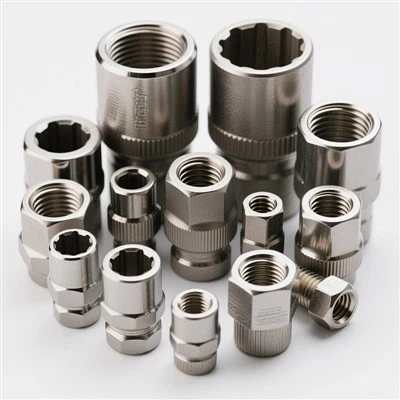
A hex nut, short for hexagonal nut, is a commonly used fastener in various mechanical and construction applications. It has a six-sided (hexagonal) shape, which allows it to be easily tightened and loosened using a wrench or socket. The main function of a hex nut is to secure a bolt or screw in place, creating a strong and stable connection between two or more components. Hex nuts are typically made from materials such as steel, stainless steel, brass, or aluminum, depending on the specific requirements of the application. These nuts come in different sizes and thread pitches to match the corresponding bolts or screws. They can be classified into different grades based on their strength and durability. For example, higher-grade hex nuts are suitable for heavy-duty applications where greater tensile strength is needed. Hex nuts are widely used in industries like automotive, aerospace, manufacturing, and plumbing. Their simple yet effective design makes them an essential part of countless assemblies, ensuring the integrity and functionality of structures and machinery.
Product advantages and features
Ease of Use: Hex nuts are widely favored due to their ease of handling and tightening. The six-sided shape allows for the use of common tools such as wrenches and sockets. These tools can easily grip the flat sides of the nut, providing a stable and secure hold, which enables efficient tightening and loosening operations. This simplicity in tool compatibility reduces the need for specialized equipment, making hex nuts accessible for a wide range of users, from professional mechanics to DIY enthusiasts.
High Torque Transmission: The design of hex nuts enables them to transmit high levels of torque. When tightened, the flat surfaces of the hexagon distribute the applied force evenly, preventing the nut from slipping or rounding off under heavy loads. This property makes hex nuts suitable for applications where strong and reliable connections are required, ensuring that the assembled components remain firmly in place even under extreme conditions.
Versatility: Hex nuts are highly versatile and can be used in a variety of applications across different industries. They can be paired with bolts, screws, or studs of various materials, sizes, and thread types, making them adaptable to different assembly requirements. Whether it's in automotive, construction, machinery, or electrical applications, hex nuts offer a reliable fastening solution.
Standardization: Hex nuts are manufactured to strict industry standards, ensuring consistency in dimensions and performance. This standardization allows for easy interchangeability between different manufacturers' products, simplifying inventory management and reducing costs. It also enables users to select the appropriate nut based on specific application requirements, such as load capacity, thread size, and material.
Product Type
Standard Hex Nut: This is the most common type of hex nut, characterized by its regular hexagonal shape and standard thread pitch. Standard hex nuts are available in a wide range of sizes and materials, making them suitable for a variety of general-purpose applications.
Jam Nut (Lock Nut): Jam nuts are thinner and smaller than standard hex nuts and are typically used in combination with a standard nut to provide additional locking action. They are tightened against the standard nut to prevent it from loosening due to vibration or other external forces. Jam nuts are commonly used in applications where a high level of security is required, such as in automotive and aerospace industries.
Nylon Insert Lock Nut: These nuts have a nylon insert embedded in the top of the nut. When the nut is tightened, the nylon insert deforms and creates friction, preventing the nut from loosening. Nylon insert lock nuts are widely used in applications where vibration and shock are common, such as in machinery, equipment, and automotive components.
Flange Nut: Flange nuts have a flat, circular flange on one side of the nut, which provides a larger bearing surface and increased stability. This design helps to distribute the load more evenly and reduces the risk of the nut loosening or damaging the mating surface. Flange nuts are commonly used in applications where a high level of strength and stability is required, such as in automotive suspension systems and heavy machinery.
Product Application
Automotive Industry: Hex nuts are extensively used in the automotive industry for various applications, including engine assembly, suspension systems, brakes, and bodywork. They are used to secure bolts and studs that hold critical components in place, ensuring the safety and reliability of the vehicle. For example, hex nuts are used to attach engine mounts, control arms, and brake calipers, among other parts.
Construction Industry: In the construction industry, hex nuts are used to fasten structural components such as beams, columns, and trusses. They are also used in plumbing, electrical, and HVAC systems to secure pipes, conduits, and fittings. Hex nuts play a crucial role in ensuring the structural integrity and stability of buildings and other structures.
Machinery and Equipment: Hex nuts are essential components in machinery and equipment, where they are used to assemble and maintain various parts and components. They are used to secure gears, pulleys, bearings, and other mechanical components, ensuring smooth operation and preventing premature failure. Hex nuts are also used in industrial equipment such as pumps, compressors, and generators.
Electrical and Electronics: In the electrical and electronics industry, hex nuts are used to secure electrical components such as switches, relays, and connectors. They are also used in printed circuit boards (PCBs) to hold components in place and provide electrical grounding. Hex nuts are available in different materials, such as stainless steel and brass, which are suitable for use in electrical applications due to their corrosion resistance and electrical conductivity.
Product material
Steel: Steel is one of the most commonly used materials for hex nuts due to its high strength and durability. Carbon steel hex nuts are widely used in general-purpose applications, while alloy steel hex nuts offer higher strength and resistance to wear and corrosion. Steel hex nuts can be heat-treated to improve their mechanical properties, such as hardness and tensile strength.
Stainless Steel: Stainless steel hex nuts are highly resistant to corrosion, making them suitable for use in harsh environments where exposure to moisture, chemicals, or saltwater is common. They are commonly used in marine applications, food processing, and pharmaceutical industries, where corrosion resistance is essential. Stainless steel hex nuts are available in different grades, such as 304 and 316, which offer varying levels of corrosion resistance.
Brass: Brass hex nuts are known for their excellent corrosion resistance, electrical conductivity, and aesthetic appeal. They are commonly used in electrical applications, plumbing fixtures, and decorative hardware. Brass hex nuts are available in different alloys, such as yellow brass and red brass, which offer different properties and characteristics.
Aluminum: Aluminum hex nuts are lightweight and corrosion-resistant, making them suitable for use in applications where weight reduction is important, such as in aerospace and automotive industries. They are also used in electrical applications due to their good electrical conductivity. However, aluminum hex nuts have lower strength compared to steel and stainless steel nuts, and they may require special handling and installation techniques to ensure proper performance.
FAQ
Hot Tags: hex nut, China hex nut manufacturers, suppliers, factory, Domed Nut, Hex Nut, Hexagon Cap Nut, Long Hex Nut, Metric Nuts, nut