

Can hex nuts be used outdoors? This is a question that many customers often ask me as a hex nut supplier. In this blog post, I'll explore the suitability of hex nuts for outdoor applications, considering various factors such as material, environmental conditions, and potential challenges.
Understanding Hex Nuts
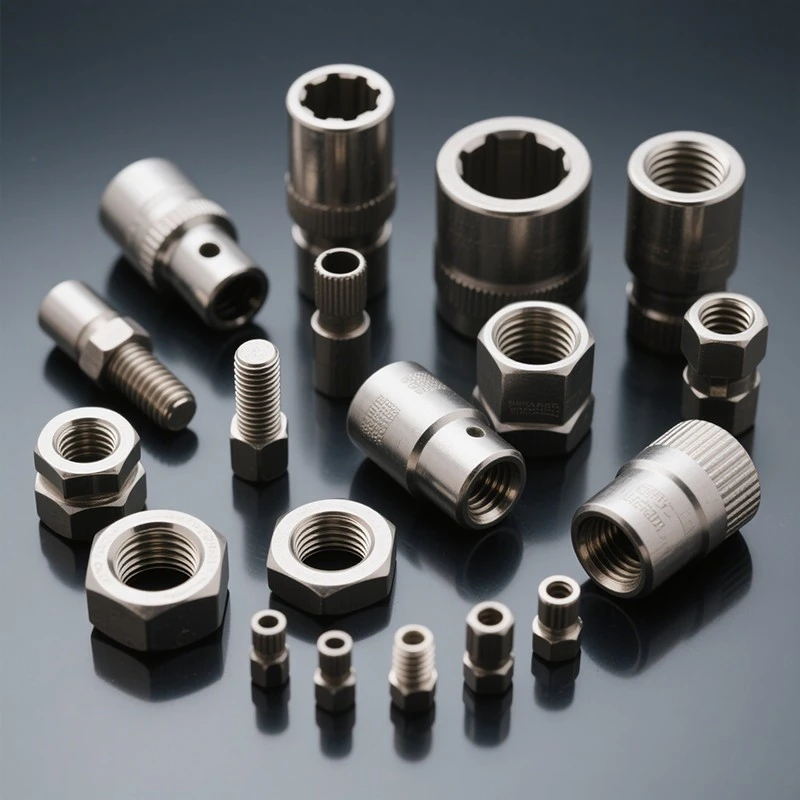
Hex nuts are one of the most common types of fasteners used in various industries. They are characterized by their six-sided shape, which provides a good grip for tightening with a wrench. Hex nuts are typically used in conjunction with bolts or screws to secure two or more components together. They come in a wide range of sizes, materials, and finishes to meet different application requirements.
Materials and Their Suitability for Outdoor Use
The choice of material is crucial when considering the use of hex nuts outdoors. Different materials have different levels of resistance to corrosion, weathering, and other environmental factors. Here are some common materials used for hex nuts and their suitability for outdoor applications:
Stainless Steel
Stainless steel is a popular choice for outdoor hex nuts due to its excellent corrosion resistance. It contains chromium, which forms a passive oxide layer on the surface of the metal, protecting it from rust and other forms of corrosion. Stainless steel hex nuts are suitable for use in a wide range of outdoor environments, including coastal areas where the air is salty and humid. They are also resistant to high temperatures and chemicals, making them ideal for industrial applications. You can find a variety of Hex Bolt Nut options in stainless steel on our website.
Galvanized Steel
Galvanized steel hex nuts are coated with a layer of zinc to protect them from corrosion. The zinc coating acts as a sacrificial anode, corroding in place of the steel. Galvanized hex nuts are a cost-effective option for outdoor use in less severe environments. However, they may not be suitable for long-term use in highly corrosive environments, such as areas with high levels of pollution or saltwater exposure. Over time, the zinc coating may wear off, exposing the steel to corrosion.
Brass
Brass is a copper-zinc alloy that is known for its good corrosion resistance and aesthetic appeal. Brass hex nuts are often used in outdoor applications where appearance is important, such as in architectural and decorative projects. They are also resistant to tarnishing and have good electrical conductivity. However, brass is relatively soft compared to steel, so it may not be suitable for applications where high strength is required. You can explore our Barrel Nut collection, which includes brass options.
Aluminum
Aluminum hex nuts are lightweight and have good corrosion resistance. They are commonly used in outdoor applications where weight is a concern, such as in the aerospace and automotive industries. Aluminum is also resistant to oxidation, making it suitable for use in outdoor environments. However, aluminum is a relatively soft metal, so it may not be suitable for applications where high strength is required.
Environmental Factors to Consider
In addition to the material, several environmental factors need to be considered when using hex nuts outdoors. These factors can affect the performance and lifespan of the hex nuts. Here are some key environmental factors to keep in mind:
Moisture and Humidity
Moisture and humidity are the primary causes of corrosion in outdoor fasteners. When hex nuts are exposed to water or high humidity levels, the metal can react with oxygen in the air to form rust. To prevent corrosion, it's important to choose hex nuts made from corrosion-resistant materials and to apply a protective coating if necessary. Additionally, proper installation and maintenance can help to minimize the exposure of hex nuts to moisture.
Temperature
Extreme temperatures can also affect the performance of hex nuts. In cold temperatures, the metal can become brittle, increasing the risk of cracking or breaking. In hot temperatures, the metal can expand, causing the hex nuts to loosen. It's important to choose hex nuts that are suitable for the temperature range of the application. For example, stainless steel hex nuts are generally more resistant to high temperatures than galvanized steel hex nuts.
UV Radiation
UV radiation from the sun can cause the surface of hex nuts to degrade over time. This can lead to discoloration, cracking, and a loss of strength. To protect hex nuts from UV radiation, it's important to choose materials that are resistant to UV degradation or to apply a UV-resistant coating.

Chemical Exposure
Hex nuts may be exposed to various chemicals in outdoor environments, such as fertilizers, pesticides, and industrial pollutants. These chemicals can react with the metal, causing corrosion or other forms of damage. It's important to choose hex nuts that are resistant to the chemicals present in the application environment. For example, stainless steel hex nuts are generally more resistant to chemical corrosion than galvanized steel hex nuts.
Potential Challenges and Solutions
Using hex nuts outdoors can present some challenges, but with the right approach, these challenges can be overcome. Here are some common challenges and their solutions:
Corrosion
Corrosion is the most common challenge when using hex nuts outdoors. To prevent corrosion, it's important to choose hex nuts made from corrosion-resistant materials, such as stainless steel or brass. Additionally, applying a protective coating, such as a zinc or epoxy coating, can provide an extra layer of protection. Regular inspection and maintenance can also help to detect and address corrosion issues early.
Loosening
Hex nuts can loosen over time due to vibration, temperature changes, or other factors. To prevent loosening, it's important to use locking mechanisms, such as lock washers or thread-locking compounds. These mechanisms can help to keep the hex nuts in place and prevent them from vibrating loose.
Installation Difficulties
Installing hex nuts outdoors can be challenging, especially in hard-to-reach or confined spaces. To make installation easier, it's important to use the right tools and techniques. For example, using a socket wrench or an impact wrench can make it easier to tighten the hex nuts. Additionally, using a lubricant can help to reduce friction and make installation smoother.
Conclusion
In conclusion, hex nuts can be used outdoors, but it's important to choose the right material and take appropriate precautions to ensure their performance and longevity. Stainless steel is generally the best choice for outdoor applications due to its excellent corrosion resistance. However, other materials, such as galvanized steel, brass, and aluminum, can also be suitable depending on the specific application requirements. By considering the environmental factors, potential challenges, and solutions, you can make an informed decision when choosing hex nuts for your outdoor projects.
If you're in the market for high-quality hex nuts for your outdoor applications, I invite you to explore our extensive range of products. We offer a wide selection of Hex Nut Screw options in various materials, sizes, and finishes to meet your specific needs. Our team of experts is always available to provide you with technical support and advice. Contact us today to discuss your requirements and start a procurement negotiation.
References
- ASME B18.2.2 - Square and Hex Bolts and Screws (Inch Series)
- ASTM A193 - Specification for Alloy-Steel and Stainless Steel Bolting Materials for High-Temperature Service
- ASTM A307 - Specification for Carbon Steel Bolts and Studs, 60 000 PSI Tensile Strength
- ASTM A563 - Specification for Carbon and Alloy Steel Nuts