

Hey there! As a supplier of domed nuts, I've seen firsthand how these little components play a crucial role in various applications. Today, I want to dive into how domed nuts interact with different materials they're attached to.
Let's start with the basics. Domed nuts are unique in their design. They have a rounded top, which not only gives them an aesthetically pleasing look but also provides some practical benefits. They can protect the end of a bolt from damage and prevent sharp edges from causing injuries.
Interaction with Metals
Metals are one of the most common materials domed nuts are attached to. When it comes to steel, for example, domed nuts can form a strong connection. Steel is a tough and durable material, and the threading on the domed nut can grip onto the steel bolt tightly. The interaction is mainly based on the mechanical fit of the threads. As you tighten the domed nut onto the steel bolt, the threads mesh together, creating a frictional force that holds the two components in place.
However, different types of steel can have different properties. Stainless steel, for instance, is more resistant to corrosion compared to regular carbon steel. If you're using domed nuts on stainless - steel bolts, you need to be aware of the potential for galling. Galling is a form of wear that occurs when two metal surfaces rub against each other under high pressure and friction. To prevent this, you can use lubricants or choose domed nuts made from materials that are less likely to gall with stainless steel. Check out our Stainless Steel Nut options for a better match.
Aluminum is another metal that domed nuts often interact with. Aluminum is lightweight and has good corrosion resistance. But it's also softer than steel. When attaching domed nuts to aluminum bolts or threaded holes, you need to be careful not to overtighten. Overtightening can strip the threads in the aluminum, which will compromise the connection. A proper torque specification should be followed to ensure a secure and long - lasting connection.
Interaction with Plastics
Plastics are widely used in modern manufacturing due to their lightweight, cost - effectiveness, and ease of molding. When domed nuts are attached to plastic materials, the interaction is quite different from that with metals.
One of the main concerns when using domed nuts with plastics is the risk of cracking or breaking the plastic. Plastics have lower strength and stiffness compared to metals. The pressure exerted by the tightening of the domed nut can cause stress concentrations in the plastic. To mitigate this risk, you can use inserts or bushings made of metal or a more rigid plastic. These inserts can provide a stronger surface for the domed nut to thread onto, distributing the load more evenly and reducing the risk of damage to the plastic.
Some plastics, like polycarbonate and nylon, have different levels of flexibility and hardness. For example, nylon is relatively flexible and can absorb some of the stress from the tightening of the domed nut. Polycarbonate, on the other hand, is more rigid and may require more careful handling.
Interaction with Wood
Wood is a natural material that has been used in construction and furniture - making for centuries. When domed nuts are attached to wood, the process is a bit different.
First, you usually need to drill a pilot hole in the wood. This helps to prevent the wood from splitting when you insert the bolt or screw that the domed nut will be attached to. The size of the pilot hole is crucial. If it's too small, the wood may split; if it's too large, the connection may not be secure.
Once the pilot hole is drilled, you can insert the bolt through the wood and then attach the domed nut. The interaction between the domed nut and the wood is mainly through the pressure exerted by the tightened nut on the surface of the wood. However, over time, the wood may shrink or expand due to changes in humidity. This can affect the tightness of the connection. To account for this, you may need to periodically check and retighten the domed nuts.
Interaction with Composite Materials
Composite materials are made by combining two or more different materials to achieve specific properties. For example, fiberglass composites are strong, lightweight, and corrosion - resistant.
When attaching domed nuts to composite materials, you need to consider the structure of the composite. Some composites have a layer - like structure, and improper tightening of the domed nut can delaminate the layers. Similar to plastics, using inserts can be a good solution. Inserts can provide a more stable and strong surface for the domed nut to interact with, reducing the risk of damage to the composite material.
Metric Nuts and Their Versatility
If you're looking for a wide range of options in terms of size and thread pitch, Metric Nuts are a great choice. Metric nuts, including domed nuts, follow a standardized metric system, which makes them compatible with a vast array of bolts and threaded components around the world. Whether you're working with metals, plastics, wood, or composites, metric domed nuts can often be found in the right size and specification to meet your needs.
Long Hex Nuts for Special Applications
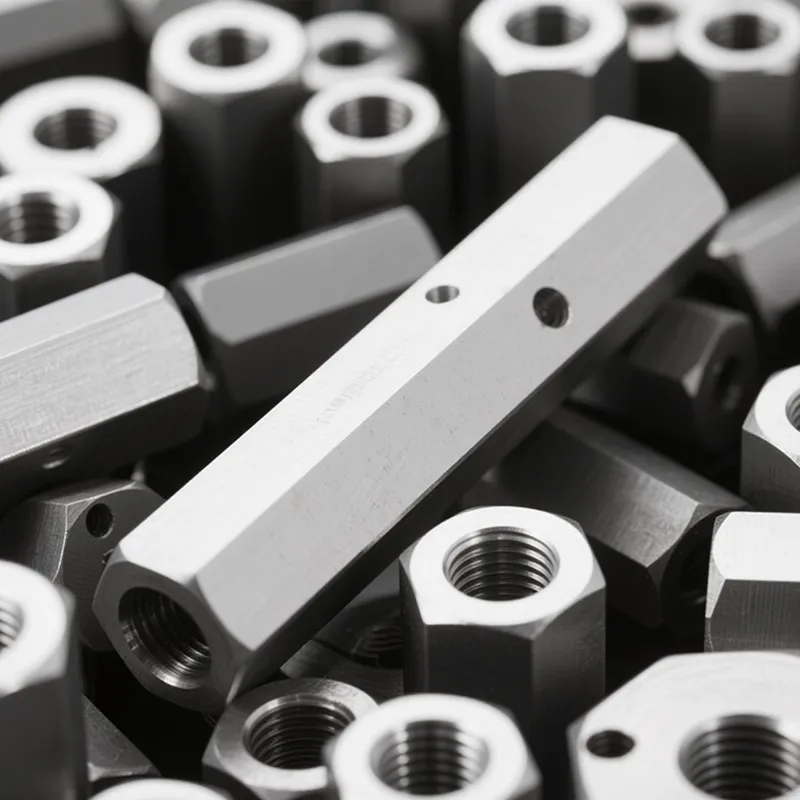
In some cases, you may need a longer nut for a specific application. Long Hex Nuts can provide additional engagement length with the bolt, which can be beneficial in applications where there is a high load or where the connection needs to be extra secure. Long hex domed nuts can be used with different materials as well. For example, in a metal - to - metal connection where there is a lot of vibration, the extra length can help to prevent the nut from loosening over time.
Conclusion
As you can see, the interaction between domed nuts and different materials is complex and depends on many factors. Whether it's the properties of the material, the design of the domed nut, or the application environment, all these elements need to be considered to ensure a successful connection.

If you're in the market for domed nuts or have any questions about how they interact with different materials, don't hesitate to reach out. We're here to help you find the perfect solution for your specific needs. Whether it's for a small DIY project or a large - scale industrial application, we've got the expertise and the products to meet your requirements. Let's have a chat and see how we can work together to make your project a success.
References
- Machinery's Handbook, 31st Edition
- ASM Handbook Volume 1: Properties and Selection: Irons, Steels, and High - Performance Alloys
- Plastics Engineering Handbook, 6th Edition