

Can a Metric To JIC Adapter be used in chemical processing applications?
In the realm of chemical processing applications, the selection of appropriate components is of utmost importance. One such component that often comes into question is the Metric To JIC Adapter. As a supplier of Metric To JIC Adapters, I am frequently asked whether these adapters can be effectively used in chemical processing. In this blog post, I will delve into this topic, exploring the technical aspects, potential benefits, and limitations of using Metric To JIC Adapters in chemical processing applications.
Understanding Metric To JIC Adapters
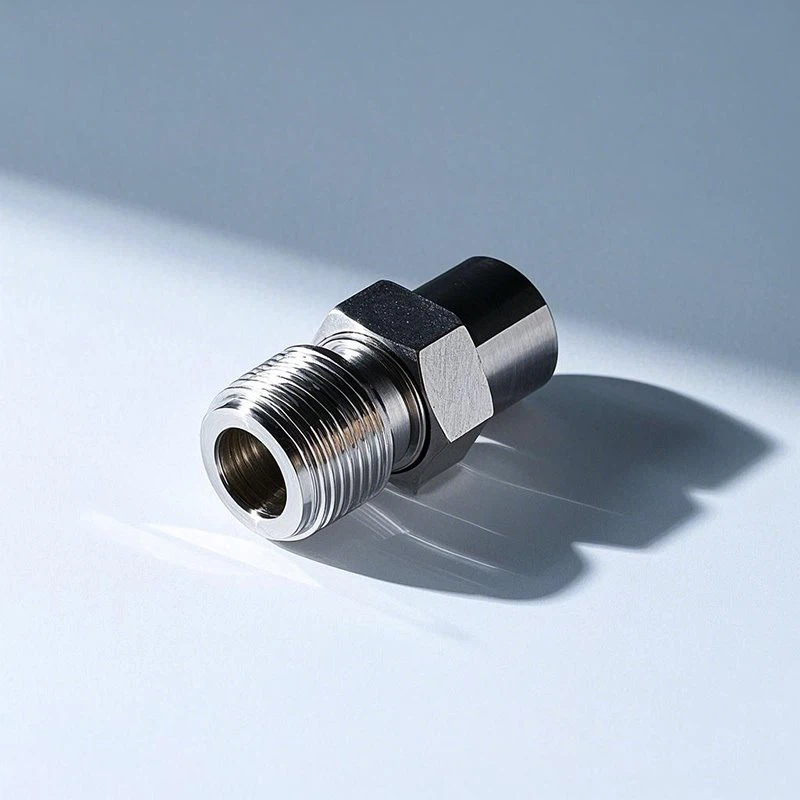
Before we discuss their suitability for chemical processing, it's essential to understand what Metric To JIC Adapters are. Metric fittings are based on the metric system, which is widely used in many countries around the world. They are characterized by their precise measurements in millimeters. On the other hand, JIC (Joint Industry Council) fittings are a type of hydraulic fitting commonly used in North America. They feature a 37-degree flare seat, which provides a reliable seal in hydraulic systems.
A Metric To JIC Adapter is a component that allows for the connection between metric and JIC fittings. It serves as a bridge, enabling compatibility between different types of hydraulic or fluid systems that use these two distinct fitting standards. These adapters are typically made from materials such as steel, stainless steel, or brass, depending on the specific application requirements.
Technical Considerations in Chemical Processing
Chemical processing involves the handling of various chemicals, often under specific temperature, pressure, and flow conditions. When considering the use of Metric To JIC Adapters in such applications, several technical factors need to be taken into account.
Material Compatibility
The first and most crucial consideration is the compatibility of the adapter material with the chemicals being processed. Different chemicals can have corrosive or reactive properties that can damage certain materials. For example, strong acids or alkalis can corrode steel or brass adapters over time. Stainless steel is often a preferred choice in chemical processing applications due to its excellent corrosion resistance. However, even stainless steel has limitations, and specific grades may be required depending on the chemical environment.
Pressure and Temperature Ratings
Chemical processing systems can operate under a wide range of pressures and temperatures. The Metric To JIC Adapter must be able to withstand these conditions without failing. Each adapter is designed with specific pressure and temperature ratings, which should be carefully matched to the requirements of the chemical processing application. Exceeding these ratings can lead to leaks, failures, or even safety hazards.
Sealing Performance
A reliable seal is essential in chemical processing to prevent leaks and ensure the integrity of the system. The 37-degree flare seat of JIC fittings and the mating surfaces of metric fittings must form a tight seal when connected using the adapter. Any leakage can result in the loss of chemicals, environmental contamination, and potential safety risks. The quality of the adapter's sealing surfaces and the proper installation of the adapter are crucial for achieving optimal sealing performance.
Benefits of Using Metric To JIC Adapters in Chemical Processing
Despite the technical challenges, there are several benefits to using Metric To JIC Adapters in chemical processing applications.
Compatibility and Flexibility
One of the primary advantages is the ability to connect different types of equipment and systems that use metric and JIC fittings. This compatibility allows for greater flexibility in system design and integration. For example, if a chemical processing plant has existing metric-based equipment and needs to connect it to a new JIC-based component, a Metric To JIC Adapter can make this connection possible without the need for extensive modifications or replacements.
Cost-Effectiveness
Using Metric To JIC Adapters can be a cost-effective solution compared to replacing entire systems or components to match a single fitting standard. Instead of investing in new metric or JIC equipment, an adapter can be used to bridge the gap between the two standards, saving both time and money.
Availability and Standardization
Metric To JIC Adapters are widely available in the market, and they are manufactured to industry standards. This availability ensures that replacement parts can be easily obtained when needed, reducing downtime in the chemical processing plant. Additionally, the standardization of these adapters means that they can be trusted to meet certain quality and performance requirements.
Limitations and Challenges
While there are benefits, there are also limitations and challenges associated with using Metric To JIC Adapters in chemical processing.
Potential for Leakage
As mentioned earlier, achieving a reliable seal is crucial in chemical processing. However, the connection between metric and JIC fittings using an adapter can be more prone to leakage compared to a direct connection of fittings of the same standard. This is due to the potential for misalignment, improper installation, or wear and tear over time. Regular inspection and maintenance are necessary to detect and address any potential leakage issues.
Limited Chemical Resistance
Although stainless steel is a commonly used material for Metric To JIC Adapters, it may not be suitable for all chemical environments. Some highly corrosive or reactive chemicals may require specialized materials or coatings to ensure long-term performance. In such cases, the use of a Metric To JIC Adapter may not be feasible, and alternative connection methods may need to be considered.
Applications in Chemical Processing
Despite the limitations, Metric To JIC Adapters can be used in various chemical processing applications.
Hydraulic Systems in Chemical Plants
Many chemical processing plants use hydraulic systems for various operations, such as controlling valves, actuators, or pumps. These hydraulic systems may have a mix of metric and JIC fittings, and Metric To JIC Adapters can be used to connect different components within the system. For example, a hydraulic cylinder with a metric fitting may need to be connected to a JIC-based hydraulic pump, and an adapter can make this connection possible.
Fluid Transfer and Storage Systems
In chemical plants, fluid transfer and storage systems are essential for handling raw materials, intermediate products, and finished chemicals. Metric To JIC Adapters can be used in these systems to connect pipes, hoses, and other components that use different fitting standards. For instance, a metric pipe may need to be connected to a JIC-compatible storage tank, and an adapter can facilitate this connection.
Related Products
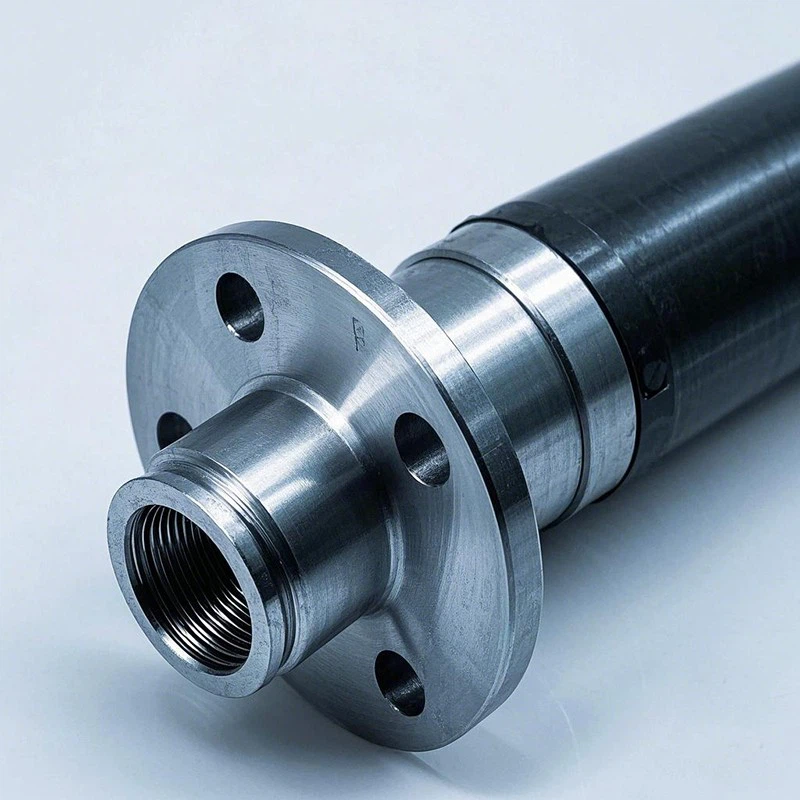
In addition to Metric To JIC Adapters, there are other related products that may be useful in chemical processing applications. For example, Threaded Pipe Flange can be used for connecting pipes in a more secure and reliable manner. Hydraulic Swivel Connector allows for rotation and flexibility in hydraulic systems, which can be beneficial in applications where movement is required. And Adapter Hydraulic Hose Fittings can be used to connect hoses to different types of equipment.
Conclusion
In conclusion, Metric To JIC Adapters can be used in chemical processing applications, but careful consideration must be given to the technical factors, benefits, limitations, and challenges. Material compatibility, pressure and temperature ratings, and sealing performance are crucial aspects that need to be evaluated. While these adapters offer compatibility, flexibility, and cost-effectiveness, they also come with potential leakage issues and limited chemical resistance.
If you are involved in chemical processing and are considering the use of Metric To JIC Adapters or any of our related products, I encourage you to contact us for further discussion. Our team of experts can provide you with detailed information, technical support, and help you select the most suitable components for your specific application. We are committed to providing high-quality products and excellent customer service to meet your needs in the chemical processing industry.
References
- "Handbook of Chemical Engineering Equipment"
- "Hydraulic Fittings and Adapters: Design and Application"
- Industry standards and guidelines for chemical processing and hydraulic systems.