

As a supplier of metric nuts, I've been asked numerous times whether these nuts demand special tools for installation. The answer isn't a simple yes or no; it depends on various factors, including the type of metric nut, the application, and the installation environment. In this blog post, I'll delve into these aspects to provide a comprehensive understanding of the tool requirements for metric nut installation.
Understanding Metric Nuts
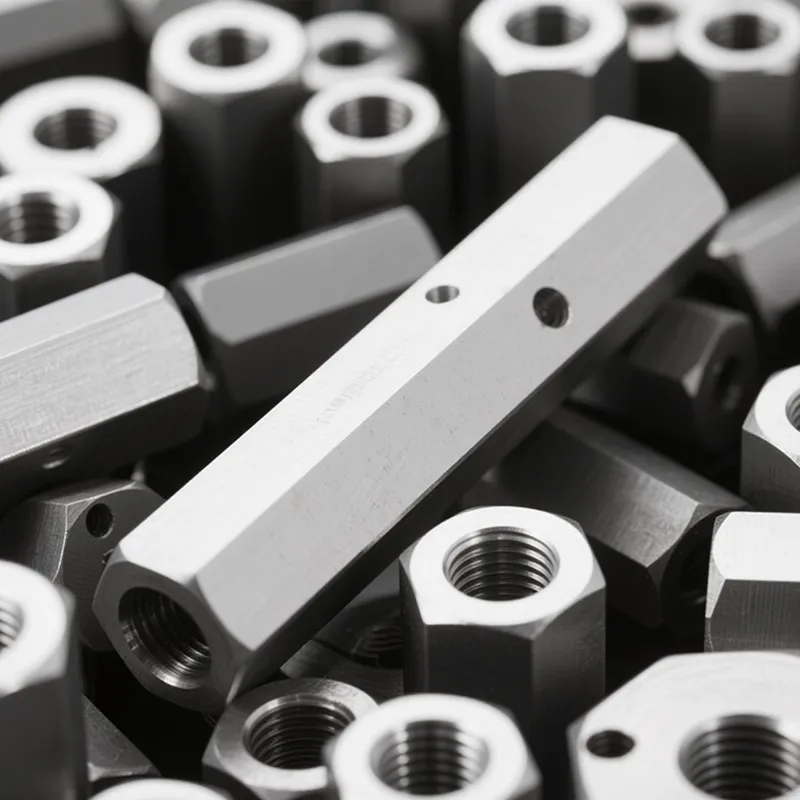
Before discussing the tools, it's essential to understand what metric nuts are. Metric nuts are fasteners with a metric thread pitch, which is measured in millimeters. They come in a wide range of sizes, shapes, and materials to suit different applications. Some common types of metric nuts include Long Hex Nut, Stainless Steel Nut, and Hexagon Cap Nut. Each type has its unique characteristics and installation requirements.
Types of Metric Nuts and Their Common Uses
- Long Hex Nut: These nuts have a longer body compared to standard hex nuts, providing increased thread engagement. They are commonly used in applications where high strength and resistance to vibration are required, such as in machinery and automotive parts.
- Stainless Steel Nut: Made from stainless steel, these nuts offer excellent corrosion resistance. They are ideal for outdoor applications or environments where exposure to moisture or chemicals is likely, such as in marine and construction projects.
- Hexagon Cap Nut: Also known as acorn nuts, hexagon cap nuts have a domed top that covers the end of the bolt or stud. They are often used for aesthetic purposes or to protect the threads from damage, such as in furniture and decorative applications.
Standard Tools for Metric Nut Installation
In most cases, standard tools can be used for metric nut installation. These tools are readily available and are part of every mechanic's or DIY enthusiast's toolkit.
Wrenches
- Open-End Wrench: This is a simple and commonly used tool for nut installation. It has two open ends of different sizes, allowing it to fit different nut dimensions. Open-end wrenches are suitable for quick and easy installations where access is not restricted.
- Box-End Wrench: Box-end wrenches have a closed loop at one or both ends, providing a more secure grip on the nut. They are less likely to slip off the nut, making them ideal for applications where a high torque is required.
- Combination Wrench: As the name suggests, a combination wrench combines the features of an open-end and a box-end wrench. It has an open end on one side and a box end on the other, providing versatility for different installation scenarios.
- Adjustable Wrench: An adjustable wrench has a movable jaw that can be adjusted to fit different nut sizes. It is a convenient tool for situations where you don't have the exact size wrench on hand. However, it may not provide as secure a grip as a fixed-size wrench.
Socket Wrenches
Socket wrenches are another popular choice for metric nut installation. They consist of a socket that fits over the nut and a ratchet handle that allows for easy tightening or loosening. Socket wrenches come in various sizes and drive types, such as 1/4-inch, 3/8-inch, and 1/2-inch drives. They are particularly useful for applications where access is limited or where a high torque is required.
Screwdrivers
For some types of metric nuts, such as Phillips or slotted nuts, a screwdriver may be used for installation. However, screwdrivers are generally not as effective as wrenches or socket wrenches for tightening nuts, especially in applications where a high torque is required.
Situations Where Special Tools Are Required
While standard tools can be used for most metric nut installations, there are some situations where special tools may be necessary.
High-Torque Applications
In applications where a high torque is required, such as in heavy machinery or automotive engines, standard tools may not be sufficient. Special tools, such as torque wrenches, are needed to ensure that the nut is tightened to the correct torque specification. A torque wrench allows you to apply a specific amount of torque to the nut, preventing over-tightening or under-tightening, which can lead to component failure.
Limited Access
In some cases, the nut may be located in a tight or hard-to-reach space, making it difficult to use standard tools. Special tools, such as offset wrenches or swivel socket wrenches, can be used to access these nuts. Offset wrenches have a bent or angled design that allows them to reach nuts in tight spaces, while swivel socket wrenches have a swivel joint that allows the socket to be positioned at different angles.
Specialized Nut Types
Some metric nuts have unique designs or features that require special tools for installation. For example, lock nuts, which are designed to prevent loosening due to vibration, may require a special locking tool to ensure that they are properly installed. Similarly, self-locking nuts, which have a built-in locking mechanism, may require a specific installation procedure or tool.
Factors to Consider When Choosing Tools for Metric Nut Installation
When choosing tools for metric nut installation, several factors should be considered to ensure that the job is done safely and effectively.
Nut Size and Type
The size and type of the nut will determine the appropriate tool to use. Make sure to choose a tool that fits the nut properly to avoid damaging the nut or the tool.

Torque Requirements
The torque requirements of the application will also influence the choice of tool. For applications where a high torque is required, a torque wrench or a high-strength tool should be used.
Accessibility
Consider the accessibility of the nut when choosing a tool. If the nut is located in a tight or hard-to-reach space, a special tool may be needed to access it.
Safety
Safety should always be a top priority when using tools. Make sure to use the tool correctly and follow all safety guidelines to prevent accidents and injuries.
Conclusion
In conclusion, while metric nuts do not always require special tools for installation, there are situations where special tools may be necessary. Standard tools, such as wrenches and socket wrenches, can be used for most metric nut installations. However, for high-torque applications, limited access, or specialized nut types, special tools may be required. When choosing tools for metric nut installation, it's important to consider factors such as nut size and type, torque requirements, accessibility, and safety.
If you're in the market for metric nuts or need advice on tool selection for nut installation, feel free to contact us. Our team of experts is here to help you find the right products and solutions for your needs. Whether you're a professional mechanic, a DIY enthusiast, or a large-scale manufacturer, we have the expertise and resources to support your projects.
References
- Machinery's Handbook, 31st Edition
- Automotive Repair Manuals
- Fastener Industry Standards and Guidelines