

Do hex head barrel nuts have a specific installation depth? This is a question that often comes up among those in the construction, furniture - making, and DIY communities. As a supplier of hex head barrel nuts, I've had the opportunity to deal with this topic extensively. In this blog, we'll explore the concept of installation depth for hex head barrel nuts, understand its importance, and how it impacts the overall performance of these fasteners.
Understanding Hex Head Barrel Nuts
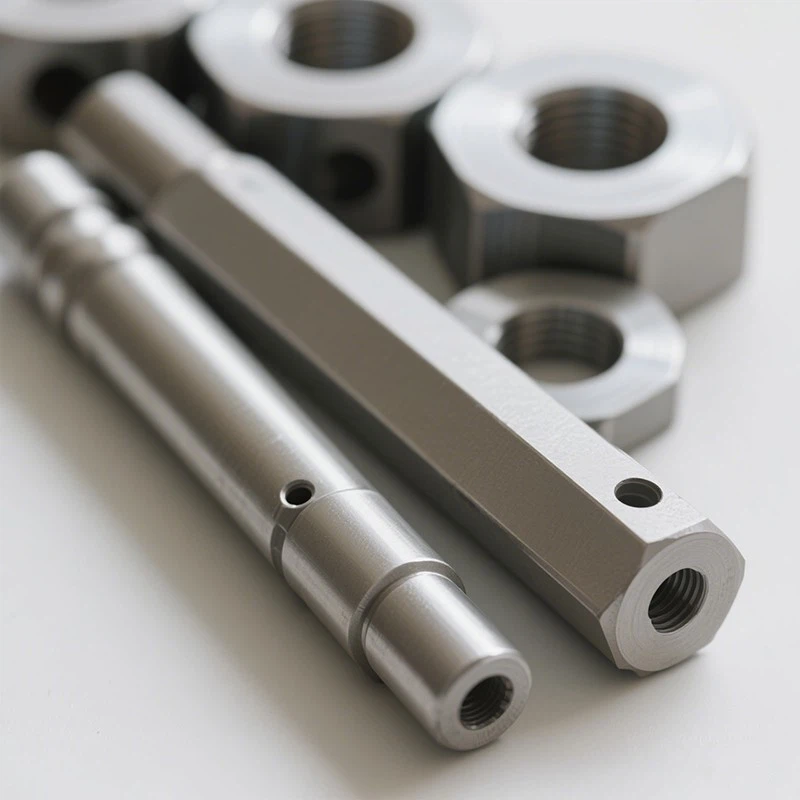
Before delving into the installation depth, let's first understand what hex head barrel nuts are. Hex head barrel nuts are a type of fastener with a hexagonal head and a barrel - shaped body. They are commonly used in applications where a strong and secure connection is required. Their design allows for easy tightening using a wrench, and they can be used in a variety of materials, including wood, metal, and plastic.
Hex head barrel nuts are similar to other types of nuts such as Hex Nut Screw, Long Hex Nut, and Hex Bolt Nut. However, their unique barrel shape gives them some distinct advantages. The barrel provides more surface area for engagement with the mating screw or bolt, which can increase the strength of the connection.
The Importance of Installation Depth
The installation depth of a hex head barrel nut is crucial for several reasons. Firstly, it affects the strength of the connection. If the nut is not installed deep enough, there may not be sufficient thread engagement between the nut and the screw or bolt. This can lead to a weak connection that is prone to loosening over time, especially under vibration or heavy loads.
Secondly, the installation depth impacts the stability of the structure. In applications such as furniture assembly, a proper installation depth ensures that the pieces fit together tightly and do not wobble. For example, in a wooden chair frame, if the hex head barrel nuts are not installed to the correct depth, the joints may become loose, causing the chair to be unstable and potentially unsafe to use.
Factors Affecting Installation Depth
Several factors can influence the specific installation depth of hex head barrel nuts.
Material Type
The type of material in which the nut is being installed plays a significant role. For instance, when installing a hex head barrel nut in wood, the density and hardness of the wood matter. Softwoods like pine may require a different installation depth compared to hardwoods like oak. Softwoods are generally more forgiving and may allow for a slightly shallower installation depth, as they are easier to penetrate. On the other hand, hardwoods are denser and stronger, so a deeper installation may be needed to ensure a secure connection.
When installing in metal, the thickness and type of metal are important. Thicker metals may require a deeper installation to fully engage the threads, while thinner metals may have limitations on how deep the nut can be installed without causing damage.
Load Requirements
The expected load on the connection is another critical factor. If the connection will be subjected to heavy loads, such as in a structural steel framework, a greater installation depth is typically required. This is because a deeper installation provides more thread engagement, which can better withstand the forces applied to the connection. In contrast, for light - duty applications like mounting a small shelf, a shallower installation depth may be sufficient.
Nut and Screw/Bolt Dimensions
The size of the hex head barrel nut and the corresponding screw or bolt also affect the installation depth. Larger nuts and bolts generally require a deeper installation to ensure proper thread engagement. The pitch of the threads is also important. A finer thread pitch may require a slightly deeper installation to achieve the same level of strength as a coarser thread pitch.
Determining the Specific Installation Depth
So, how do you determine the specific installation depth for hex head barrel nuts?
Manufacturer's Recommendations
The first and most reliable source of information is the manufacturer's recommendations. Manufacturers conduct extensive testing to determine the optimal installation depth for their products. They take into account factors such as the design of the nut, the thread specifications, and the intended applications. Always refer to the product documentation provided by the manufacturer to get the most accurate installation depth guidelines.
Testing and Experience
In some cases, especially when dealing with unique or non - standard applications, testing may be necessary. You can conduct small - scale tests to determine the appropriate installation depth. For example, you can create test samples using the same materials and fasteners as the actual project. Install the nuts at different depths and then subject the samples to simulated loads. By observing which installation depths result in the strongest and most stable connections, you can determine the best depth for your specific application.

Over time, experience also plays a role. As a supplier, I've seen many customers develop a good sense of the appropriate installation depths based on their past projects. They learn from trial and error and can make more informed decisions about the installation process.
Installation Techniques
To ensure the correct installation depth, proper installation techniques should be followed.
Drilling Holes
When installing hex head barrel nuts in materials like wood or metal, the first step is to drill a hole of the appropriate size. The diameter of the hole should match the outer diameter of the nut. The depth of the hole should be carefully measured to ensure it meets the required installation depth. Using a drill bit with a depth stop can be very helpful in achieving consistent results.
Inserting the Nut
Once the hole is drilled, the hex head barrel nut can be inserted. It's important to insert the nut straight and to ensure that it sits flush with the surface of the material. If the nut is tilted or not fully seated, it can affect the thread engagement and the overall strength of the connection.
Tightening
After inserting the nut, the mating screw or bolt is then tightened. During this process, it's important to use the correct torque. Over - tightening can damage the threads or the material, while under - tightening can result in a loose connection. A torque wrench can be used to ensure that the correct amount of force is applied.
Common Mistakes to Avoid
There are some common mistakes that people make when installing hex head barrel nuts that can affect the installation depth.
One of the most common mistakes is not measuring the hole depth accurately. This can lead to either a nut that is installed too shallow or too deep. Another mistake is using the wrong size drill bit. If the drill bit is too large, the nut may not fit securely in the hole, and if it's too small, it can be difficult to insert the nut.
Some people also tend to over - tighten the nuts during installation. This can cause the threads to strip or the material to crack, especially in brittle materials like plastic. It's important to follow the recommended torque values and use proper tools.
Conclusion
In conclusion, hex head barrel nuts do have a specific installation depth, and it is a critical factor in ensuring the strength, stability, and longevity of the connection. The installation depth is influenced by factors such as material type, load requirements, and nut and screw/bolt dimensions. By following the manufacturer's recommendations, using proper installation techniques, and avoiding common mistakes, you can achieve the optimal installation depth for your hex head barrel nuts.
If you're in the market for high - quality hex head barrel nuts or have any questions about their installation, I encourage you to reach out for a procurement discussion. We're here to provide you with the best products and support to meet your needs.
References
- Engineering Handbook for Fasteners, 2022 Edition
- Woodworking and Furniture Assembly Guide, 2023
- Metal Joining and Fastening Techniques, 2021