

Hey there! As a supplier of hex nut screws, I often get asked if these little guys can be used in electrical equipment. Well, let's dive right into it and find out.
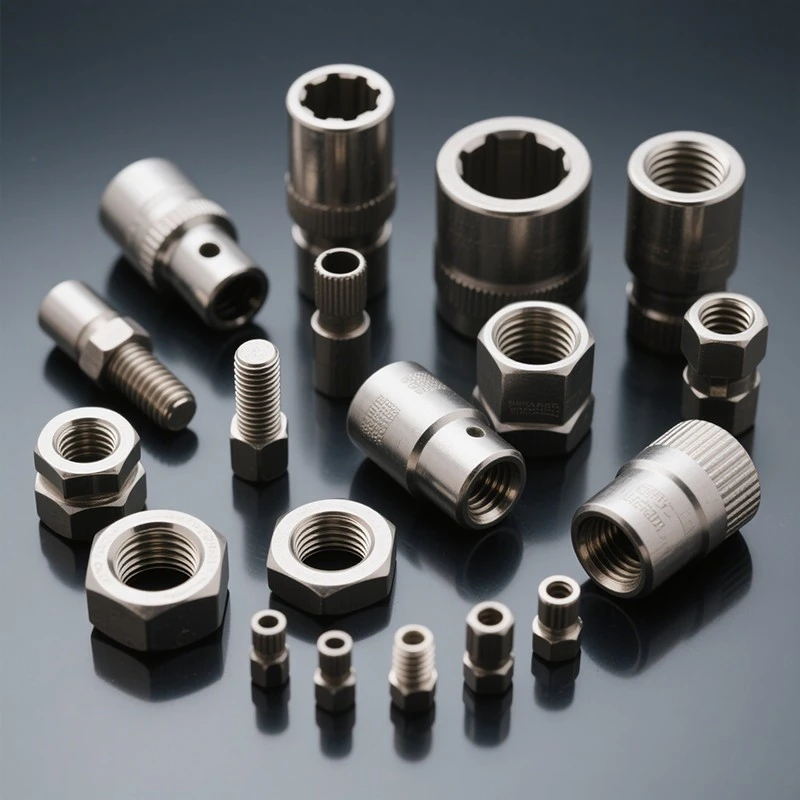
First off, what are hex nut screws? They're those nuts with six sides that you often see paired up with bolts. They're super common in all sorts of industries because they're easy to grip and tighten. You can use a wrench to get a good hold on them, and they stay put once you've tightened them down.
Now, when it comes to electrical equipment, there are a few things we need to think about. Electrical equipment is a whole different ballgame compared to, say, building a bookshelf. Safety is the number one concern. There's electricity flowing through these devices, and we don't want any loose connections or short - circuits.
One of the key factors is conductivity. Hex nut screws are usually made of metals like steel, stainless steel, or brass. Steel is a good conductor of electricity. While this might seem like a problem in electrical equipment, it can actually be useful in some cases. For example, in grounding applications, you want a good conductor to safely direct electrical current away from sensitive components. Stainless steel is also conductive, but it has better corrosion resistance than regular steel. This is important in electrical equipment that might be exposed to moisture or other harsh environments. Brass is another popular choice. It's a great conductor and has a nice balance of strength and malleability.
But here's the thing. Just because a hex nut screw is conductive doesn't mean it can be used willy - nilly in electrical equipment. We need to make sure that the screw isn't going to cause any unwanted electrical connections. For instance, if a screw touches two different electrical paths that shouldn't be connected, it can create a short - circuit. This can damage the equipment, cause it to malfunction, or even pose a safety hazard.
Another aspect to consider is the size and thread pitch of the hex nut screw. In electrical equipment, space is often limited. You need screws that are the right size to fit into the available space without interfering with other components. The thread pitch also matters. A fine - threaded screw might be better for a more precise fit, while a coarse - threaded screw can be tightened more quickly.
Let's talk about some specific applications in electrical equipment where hex nut screws can be used. In electrical enclosures, they're used to secure the panels and covers. These enclosures protect the sensitive electrical components inside from dust, dirt, and moisture. The hex nut screws need to be tight enough to keep the enclosure sealed, but not so tight that they damage the panels.
In circuit boards, hex nut screws can be used to mount components. However, you have to be really careful here. Circuit boards are very delicate, and a misaligned or over - tightened screw can damage the traces or components on the board. You might also want to use insulating washers with the screws to prevent any accidental electrical contact.
Now, I know I've been going on about hex nut screws, but there are other types of nuts that are also used in electrical equipment. For example, the Barrel Nut is a great option for applications where you need a more concealed fastening. It's often used in furniture, but it can also be used in some electrical enclosures where a flush finish is desired.
The Domed Nut is another interesting option. It has a rounded top, which can be useful in applications where you don't want sharp edges. This can be important in electrical equipment where people might come into contact with the nuts.
And then there's the Hex Head Barrel Nut. It combines the features of a hex head for easy tightening and a barrel shape for a more secure fit. This type of nut can be used in a variety of electrical applications, especially where you need a strong and reliable connection.
So, can hex nut screws be used in electrical equipment? The answer is yes, but with some important considerations. You need to choose the right material, size, and thread pitch. You also need to make sure that the screws are installed correctly to avoid any electrical issues.
If you're in the market for hex nut screws or any of the other types of nuts I've mentioned for your electrical equipment, I'd love to have a chat with you. Whether you're a small - scale electronics hobbyist or a large - scale manufacturer, I can help you find the right products for your needs. Just reach out, and we can start a conversation about your specific requirements.

References
- Electrical Engineering Handbook, Third Edition
- Machinery's Handbook, 31st Edition