Product Introduction
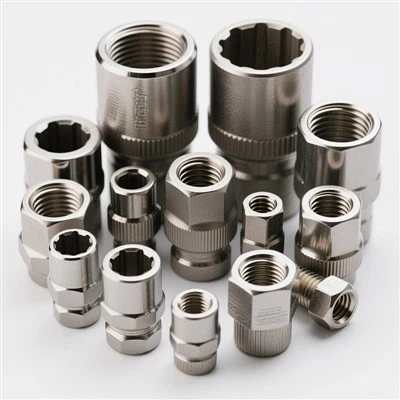
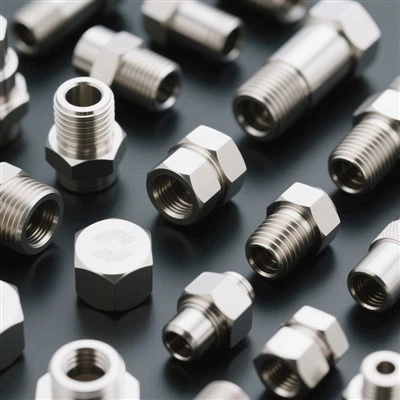
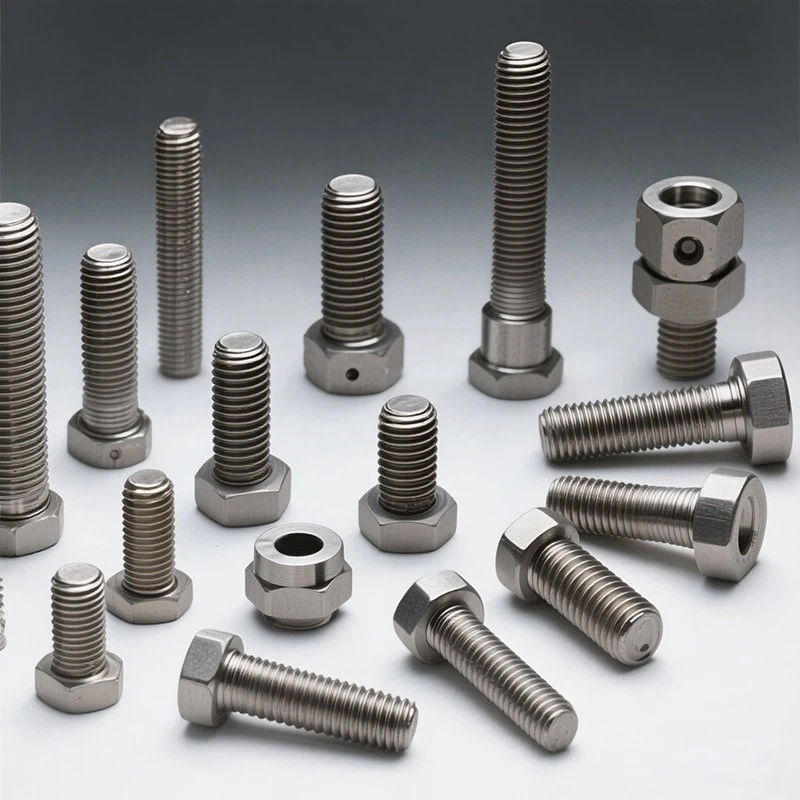
Hex bolt nuts, also known as hexagonal bolt nuts, are essential fasteners widely used in various industries. The hexagonal shape of the nut provides six flat sides, allowing for easy tightening and loosening with a wrench or socket. This shape ensures a firm grip and prevents the nut from slipping during operation. A hex bolt nut is typically paired with a hex bolt. The bolt has a threaded shank that screws into the nut. Together, they create a secure connection between two or more components. These nuts come in different materials, such as steel, stainless steel, and brass, offering different levels of strength, corrosion resistance, and durability. They are available in various sizes and grades to suit different applications, from light-duty DIY projects to heavy industrial machinery. Their simplicity, reliability, and ease of use make hex bolt nuts a staple in the world of fastening systems. Whether it's assembling furniture, building structures, or maintaining vehicles, hex bolt nuts play a crucial role in ensuring stability and safety.
Product advantages and features
Ease of Use: Hex bolt nuts are relatively easy to tighten and loosen using standard wrenches or sockets. The six-sided (hexagonal) shape provides a good grip for the tool, allowing for efficient application of torque. This makes them highly convenient for assembly and disassembly operations in various industries.
High Torque Transmission: They can transmit a significant amount of torque, ensuring a secure and stable connection between components. The design distributes the force evenly around the bolt, reducing the risk of slippage or damage during tightening.
Versatility: Hex bolt nuts are suitable for a wide range of applications, from light-duty tasks in household repairs to heavy-duty industrial applications. They can be used in different environments and with various materials, making them a popular choice for many engineers and technicians.
Standardization: There are well-established industry standards for hex bolt nuts, which means they are readily available in different sizes, grades, and materials. This standardization simplifies the procurement process and ensures compatibility with other components.
Product Type
Standard Hex Bolt Nut: This is the most common type, with a regular hexagonal shape and a threaded hole for engaging with a bolt. It comes in different sizes and thread pitches to suit various applications.
Nylock Nut (Lock Nut): It has a nylon insert near the top of the nut. This insert provides additional friction, preventing the nut from loosening due to vibrations or dynamic loads. Nylock nuts are often used in automotive, aerospace, and machinery applications where vibration resistance is crucial.
Flange Nut: A flange nut has a large, flat washer-like base (flange) that provides a larger bearing surface. This helps to distribute the load more evenly and reduces the risk of the nut digging into the mating surface. Flange nuts are commonly used in applications where a high level of stability and load distribution is required, such as in the automotive and construction industries.
Jam Nut (Locknut): A jam nut is a thin nut that is used in combination with a standard nut. It is tightened against the standard nut to lock it in place. Jam nuts are often used in applications where space is limited or where a more secure locking mechanism is needed.
Product Application
Automotive Industry: Hex bolt nuts are used extensively in automotive manufacturing for assembling various components, such as engines, transmissions, chassis, and body parts. They are crucial for ensuring the structural integrity and performance of vehicles.
Construction Sector: In construction, hex bolt nuts are used to connect steel beams, columns, and other structural elements. They are also used in the installation of fixtures, fittings, and equipment. The high torque transmission and stability of hex bolt nuts make them suitable for the heavy loads and harsh conditions often encountered in construction projects.
Machinery and Equipment: Hex bolt nuts play a vital role in the assembly and maintenance of machinery and equipment. They are used to hold parts together, such as in engines, pumps, compressors, and conveyor systems. The versatility and ease of use of hex bolt nuts make them an essential component in these applications.
Electrical and Electronics: In the electrical and electronics industry, hex bolt nuts are used to secure electrical enclosures, panels, and components. They help to ensure the safety and reliability of electrical systems by providing a secure connection.
Product material
Steel: Carbon steel and alloy steel are commonly used materials for hex bolt nuts. Steel nuts offer high strength and durability, making them suitable for heavy-duty applications. They can be heat-treated to increase their strength and hardness.
Stainless Steel: Stainless steel hex bolt nuts are highly resistant to corrosion, making them ideal for use in environments where exposure to moisture, chemicals, or saltwater is likely. They are commonly used in the marine, food processing, and chemical industries.
Aluminum: Aluminum hex bolt nuts are lightweight, which makes them suitable for applications where weight reduction is a priority, such as in the aerospace and automotive industries. They also offer good corrosion resistance, although not as high as stainless steel.
Brass: Brass hex bolt nuts have good corrosion resistance and are often used in decorative or electrical applications. They are also relatively easy to machine and work with, making them a popular choice for some specialized applications.
FAQ
Hot Tags: hex bolt nut, China hex bolt nut manufacturers, suppliers, factory, Barrel Nut, Hex Bolt Nut, Hex Nut, Hex Nut Screw, Hexagon Cap Nut, Long Hex Nut