

Hey there! As a supplier of stainless steel nuts, I often get asked about the wear resistance of these little but crucial components. So, let's dive right in and explore what makes stainless steel nuts resistant to wear.
First off, what exactly is wear resistance? Wear resistance refers to a material's ability to withstand damage caused by friction, abrasion, erosion, or other types of mechanical contact. In the case of stainless steel nuts, good wear resistance means they can maintain their shape, size, and functionality over a long period, even when subjected to repeated use and harsh conditions.
Stainless steel is an alloy primarily composed of iron, chromium, and other elements like nickel, molybdenum, and manganese. The addition of chromium is what gives stainless steel its corrosion - resistant properties. When chromium reacts with oxygen in the air, it forms a thin, invisible layer of chromium oxide on the surface of the steel. This layer acts as a protective barrier, preventing further oxidation and corrosion. But how does this relate to wear resistance?
Well, a corrosion - resistant surface is less likely to degrade due to chemical reactions. When a nut is exposed to moisture, chemicals, or other corrosive agents, corrosion can weaken the material, making it more prone to wear. By having a corrosion - resistant surface, stainless steel nuts can better withstand the effects of the environment, which indirectly contributes to their wear resistance.
The hardness of stainless steel also plays a significant role in its wear resistance. Different grades of stainless steel have different levels of hardness. For example, some high - strength stainless steel grades are heat - treated to increase their hardness. A harder nut is more resistant to deformation and abrasion. When a nut is tightened or loosened, it experiences friction against the bolt and the mating surface. A harder nut can better withstand this friction without wearing down quickly.
Another factor is the surface finish of the stainless steel nut. A smooth surface finish reduces friction between the nut and the mating parts. When there is less friction, there is less wear. Manufacturers often use processes like polishing or coating to achieve a smooth surface on stainless steel nuts. Some coatings can also provide additional protection against wear and corrosion.
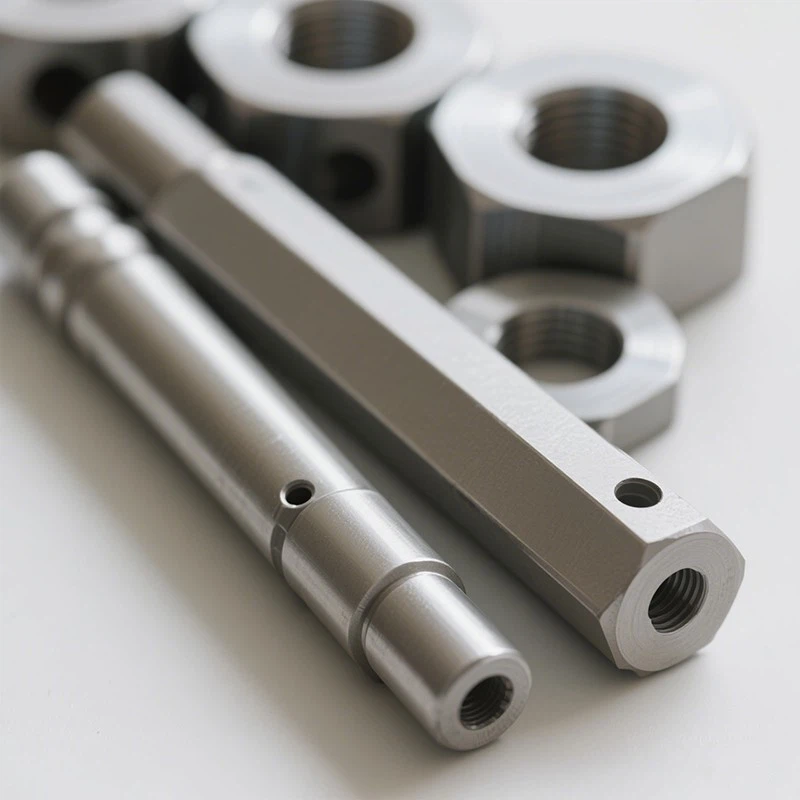
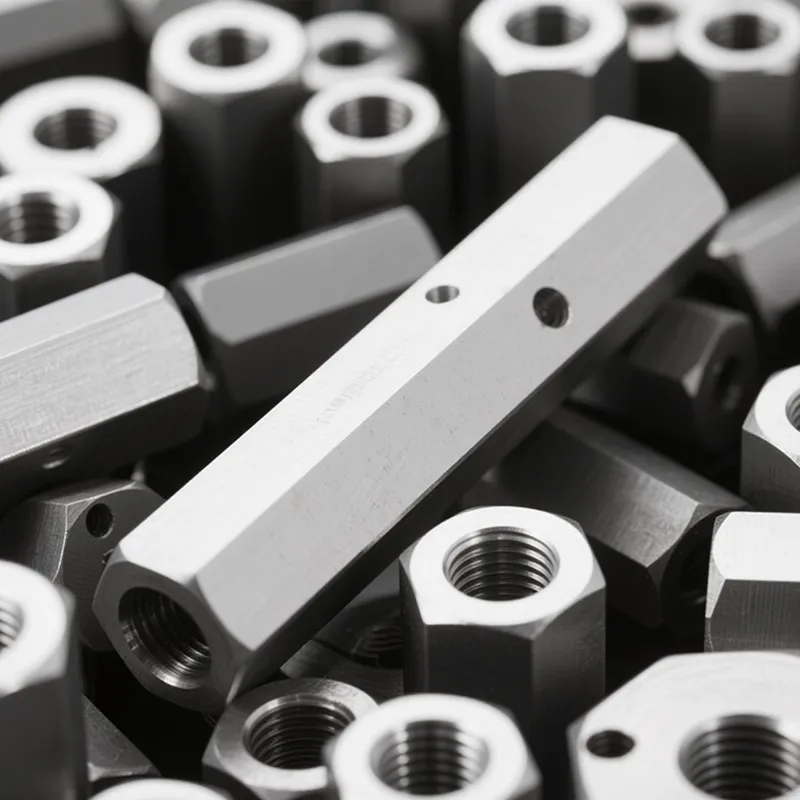
Now, let's talk about the different types of stainless steel nuts we offer. We have a wide range of options, including the Long Hex Nut, the Domed Nut, and the Hexagon Cap Nut. Each type has its own unique features and applications, but they all share the excellent wear - resistant properties of stainless steel.
The Long Hex Nut, as the name suggests, has a longer body compared to a standard hex nut. This extra length provides more contact area with the bolt, which can distribute the load more evenly and reduce the stress on the nut. This, in turn, can improve its wear resistance, especially in applications where high - torque is required.
The Domed Nut has a rounded top, which not only gives it an aesthetically pleasing look but also provides some protection to the end of the bolt. The domed shape can prevent debris from accumulating on the bolt end, reducing the risk of abrasion and wear.
The Hexagon Cap Nut is designed to cover the end of the bolt, providing protection against corrosion and wear. The cap design can shield the bolt threads from damage, ensuring a longer service life for both the nut and the bolt.
In real - world applications, the wear resistance of stainless steel nuts is crucial. For example, in the automotive industry, nuts are used in engines, transmissions, and suspension systems. These components are subjected to high levels of vibration, heat, and mechanical stress. Stainless steel nuts with good wear resistance can ensure the reliability and safety of these systems.
In the construction industry, stainless steel nuts are used in structural applications. They need to withstand the weight of the structure, as well as environmental factors like wind, rain, and temperature changes. A nut that wears out quickly can compromise the integrity of the structure, so wear resistance is essential.
In the marine industry, where nuts are exposed to saltwater and harsh weather conditions, the wear resistance of stainless steel nuts is even more critical. Corrosion and wear can quickly degrade nuts in a marine environment, leading to equipment failure. Stainless steel nuts can provide long - lasting performance in these challenging conditions.
To ensure the best wear resistance, it's important to choose the right grade of stainless steel for your application. Different grades have different chemical compositions and properties, which can affect their wear resistance. For example, 304 stainless steel is a common grade that offers good corrosion resistance and moderate wear resistance. It's suitable for many general - purpose applications. On the other hand, 316 stainless steel, which contains molybdenum, has better corrosion resistance in harsh environments, such as marine applications, and also offers improved wear resistance.
Proper installation and maintenance also play a role in maximizing the wear resistance of stainless steel nuts. When installing nuts, it's important to use the correct torque to ensure a proper fit. Over - tightening can cause excessive stress on the nut, leading to premature wear. Regular inspection and cleaning can also help identify any signs of wear or damage early on and take appropriate measures.
In conclusion, the wear resistance of stainless steel nuts is a result of their corrosion - resistant properties, hardness, surface finish, and proper design. As a supplier, we are committed to providing high - quality stainless steel nuts that can meet the diverse needs of our customers. Whether you need nuts for automotive, construction, marine, or other applications, we have the right products for you.
If you're interested in purchasing our stainless steel nuts or have any questions about their wear resistance or other properties, don't hesitate to reach out. We're here to help you find the best solutions for your projects.
References:
- "Stainless Steel Handbook" by ASM International
- "Mechanical Design and Manufacturing" textbooks