

Hey there! As a supplier of Stainless Steel Nut, I often get asked about the differences between carbon and stainless steel nuts. So, I thought I'd take a moment to break it down for you in a way that's easy to understand.
What are Carbon and Stainless Steel Nuts?
Let's start with the basics. Nuts are those little fasteners that work with bolts to hold things together. Carbon steel nuts are made from carbon steel, which is an alloy of iron and carbon. Carbon gives the steel strength, but it also makes it more prone to rusting. On the other hand, stainless steel nuts are made from stainless steel, an alloy that contains iron, chromium, and sometimes other elements like nickel and molybdenum. The chromium in stainless steel forms a thin, invisible layer of chromium oxide on the surface, which protects the metal from corrosion.
Appearance
One of the first things you'll notice when comparing carbon and stainless steel nuts is their appearance. Carbon steel nuts usually have a dull, matte finish. They might even have a bit of a rough texture. This is because carbon steel is often left untreated or just given a basic coating to protect it from the elements.
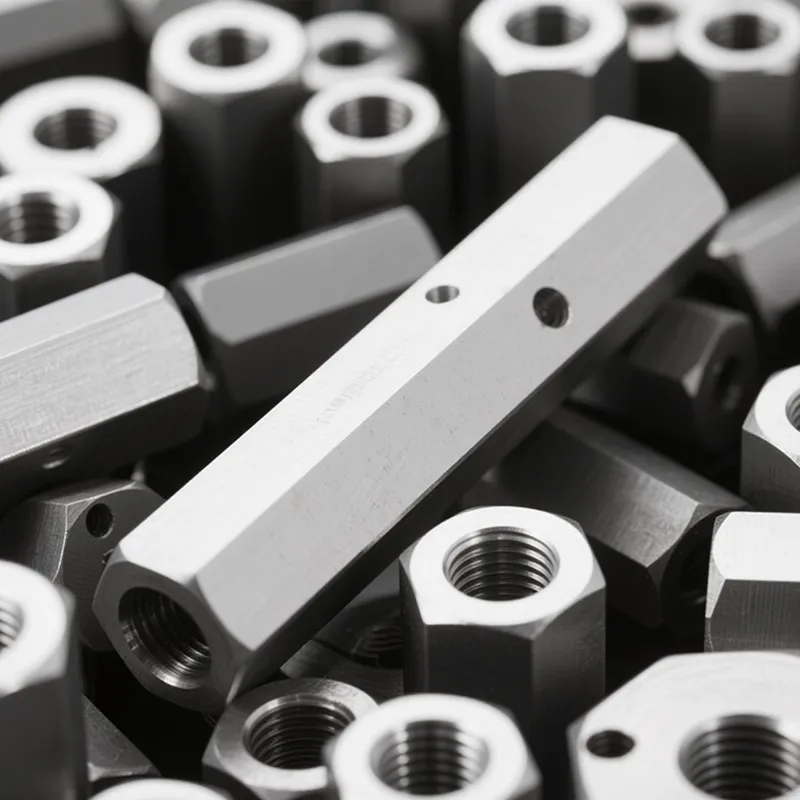
Stainless steel nuts, on the other hand, have a shiny, smooth finish. They look sleek and modern, and they can add a bit of a professional touch to any project. The polished surface of stainless steel also makes it easier to clean and maintain.

Strength and Durability
When it comes to strength, both carbon and stainless steel nuts are pretty tough. Carbon steel nuts are known for their high tensile strength, which means they can withstand a lot of pulling force without breaking. This makes them a great choice for heavy-duty applications where a lot of stress is placed on the fasteners, like in construction or automotive industries.
Stainless steel nuts, while not always as strong as carbon steel nuts in terms of pure tensile strength, are incredibly durable. The corrosion-resistant properties of stainless steel mean that these nuts can last a long time, even in harsh environments. They won't rust or corrode like carbon steel nuts, which can extend their lifespan significantly.
Corrosion Resistance
As I mentioned earlier, corrosion resistance is one of the biggest differences between carbon and stainless steel nuts. Carbon steel nuts are very susceptible to rusting. When exposed to moisture and oxygen, the iron in the carbon steel reacts with the oxygen to form iron oxide, which is what we commonly know as rust. Rust can weaken the nut over time and eventually cause it to fail.
Stainless steel nuts, however, are highly resistant to corrosion. The chromium in the stainless steel forms a passive layer on the surface that acts as a barrier against oxygen and moisture. This means that stainless steel nuts can be used in outdoor applications, in wet environments, or even in chemical industries without worrying about rust or corrosion.
Cost
Cost is always a factor when choosing between different types of nuts. Carbon steel nuts are generally cheaper than stainless steel nuts. This is because carbon steel is a more common and less expensive material to produce. If you're working on a budget or a project where corrosion isn't a major concern, carbon steel nuts might be the way to go.
Stainless steel nuts, on the other hand, are more expensive. The cost of the raw materials, the manufacturing process, and the added corrosion resistance all contribute to the higher price. But if you need a nut that will last a long time and can withstand harsh conditions, the extra cost might be worth it.
Applications
The choice between carbon and stainless steel nuts often depends on the specific application. Carbon steel nuts are commonly used in construction, automotive manufacturing, and machinery. They're great for projects where strength is the primary concern and where the nuts will be protected from the elements.
Stainless steel nuts, on the other hand, are used in a wide range of applications where corrosion resistance is important. They're commonly used in outdoor structures, marine applications, food processing equipment, and medical devices. For example, Hexagon Cap Nut and Long Hex Nut made from stainless steel are popular choices for these types of applications.
Maintenance
Maintenance is another aspect to consider. Carbon steel nuts require regular maintenance to prevent rusting. This might involve applying a protective coating, like paint or oil, and checking for signs of rust regularly. If rust does appear, it needs to be removed quickly to prevent further damage.
Stainless steel nuts, on the other hand, require very little maintenance. The corrosion-resistant properties of stainless steel mean that you don't have to worry about rust or corrosion. You can simply wipe them down with a clean cloth if they get dirty.
Conclusion
In conclusion, the choice between carbon and stainless steel nuts depends on your specific needs. If you need a strong, inexpensive nut for a project where corrosion isn't a concern, carbon steel nuts are a great option. But if you need a nut that can withstand harsh environments and last a long time, stainless steel nuts are the way to go.
As a supplier of Stainless Steel Nut, I can offer you a wide range of high-quality stainless steel nuts to meet your needs. Whether you're working on a small DIY project or a large industrial application, I've got you covered.
If you're interested in purchasing stainless steel nuts or have any questions about the differences between carbon and stainless steel nuts, feel free to reach out. I'm here to help you make the right choice for your project.
References
- "Materials Science and Engineering: An Introduction" by William D. Callister Jr. and David G. Rethwisch
- "Fasteners and Fixings Handbook" by Christopher Hoyle