

Hey there! As a capnuts supplier, I often get asked about the surface finish of capnuts. So, let's dive right into it and explore what the surface finish of capnuts is all about.
First off, what are capnuts? Well, capnuts, also known as Capnuts, are a type of fastener. They have a domed top that covers the end of a bolt or screw, which not only provides a finished look but also protects the threads from damage and corrosion. They're commonly used in various industries, from automotive to construction, where a clean and protected appearance is desired.
Now, let's talk about surface finish. The surface finish of capnuts refers to the treatment or coating applied to the external surface of the nut. This finish serves several important purposes.
One of the primary reasons for applying a surface finish is corrosion resistance. You see, capnuts are often exposed to harsh environments, whether it's moisture, chemicals, or extreme temperatures. Without proper protection, the metal can rust and corrode over time, which can compromise the integrity of the fastener and the entire assembly. A good surface finish acts as a barrier between the metal and the environment, preventing corrosion from setting in.
There are different types of surface finishes available for capnuts. One of the most common ones is zinc plating. Zinc plating is a relatively inexpensive and effective way to protect capnuts from corrosion. It involves depositing a layer of zinc onto the surface of the nut through an electroplating process. The zinc layer acts as a sacrificial anode, meaning it corrodes first before the base metal. This helps to extend the lifespan of the capnut significantly.
Another popular surface finish is hot-dip galvanizing. This process involves dipping the capnuts into a bath of molten zinc. The result is a thick, durable zinc coating that provides excellent corrosion resistance, even in highly corrosive environments. Hot-dip galvanized capnuts are often used in outdoor applications, such as bridges, fences, and marine structures.
For a more decorative and corrosion-resistant finish, you might consider chrome plating. Chrome plating gives capnuts a shiny, mirror-like appearance that not only looks great but also provides good protection against corrosion. It's commonly used in applications where aesthetics are important, such as in the automotive and furniture industries.
Powder coating is also an option for capnuts. Powder coating involves applying a dry powder to the surface of the nut and then baking it in an oven. The powder melts and forms a hard, durable coating that can be customized in terms of color and texture. Powder-coated capnuts are often used in applications where a specific color or finish is required, such as in the electronics and consumer goods industries.
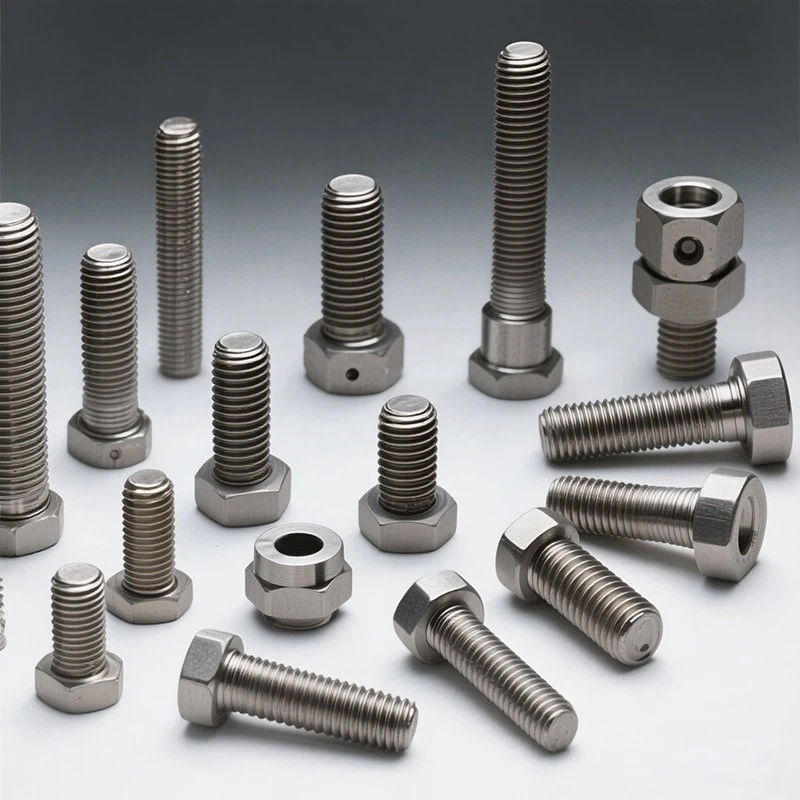
In addition to corrosion resistance, the surface finish of capnuts can also affect their appearance. A smooth, polished finish can give capnuts a professional and high-quality look, while a textured finish can add a bit of character and grip. The choice of finish often depends on the specific application and the desired aesthetic.
Let's take a closer look at some of the different types of capnuts and how their surface finishes might vary. For example, Domed Nut is a type of capnut with a rounded top. These nuts are often used in applications where a smooth, finished look is desired, such as in furniture and decorative hardware. The surface finish of domed nuts can range from a simple zinc plating to a more elaborate chrome or powder coating, depending on the application.
Hex Bolt Nut is another common type of capnut. Hex bolt nuts have a hexagonal shape, which makes them easy to install and remove using a wrench. The surface finish of hex bolt nuts is typically chosen based on the same factors as other capnuts, such as corrosion resistance and appearance.
When it comes to choosing the right surface finish for your capnuts, there are a few things to consider. First, think about the environment in which the capnuts will be used. If they'll be exposed to moisture or chemicals, you'll want to choose a finish that provides good corrosion resistance, such as hot-dip galvanizing or zinc plating. If aesthetics are important, you might opt for a chrome or powder coating.
You should also consider the cost of the surface finish. Some finishes, such as hot-dip galvanizing, can be more expensive than others, such as zinc plating. It's important to balance the cost with the performance and appearance requirements of your application.
Another factor to consider is the compatibility of the surface finish with the base metal of the capnut. Some finishes may react with certain metals, causing discoloration or other issues. Make sure to choose a finish that is compatible with the material of your capnuts.
As a capnuts supplier, I can help you choose the right surface finish for your specific needs. I have a wide range of capnuts available with different surface finishes, and I can provide you with samples so you can see and feel the difference for yourself. Whether you're looking for a simple, cost-effective finish or a high-end, decorative finish, I've got you covered.
If you're interested in purchasing capnuts or have any questions about surface finishes, don't hesitate to reach out. I'm here to help you find the perfect solution for your project. Just drop me a line, and we can start discussing your requirements.
In conclusion, the surface finish of capnuts is an important consideration that can affect their performance, appearance, and lifespan. By choosing the right finish for your application, you can ensure that your capnuts not only look great but also provide reliable and long-lasting service. So, if you're in the market for capnuts, take the time to think about the surface finish and how it can benefit your project. And remember, I'm here to assist you every step of the way.

References
- Machinery's Handbook, 31st Edition
- Fastener Technology Handbook