

Temperature is a critical environmental factor that significantly influences the performance of Long Weld Neck Flanges. As a supplier of Long Weld Neck Flanges, I have witnessed firsthand how temperature variations can impact these essential components in various industrial applications. In this blog post, I will delve into the intricate relationship between temperature and the performance of Long Weld Neck Flanges, exploring the effects of both high and low temperatures and providing insights for ensuring optimal performance in different thermal conditions.
High - Temperature Effects on Long Weld Neck Flanges
Material Degradation
At high temperatures, the material of Long Weld Neck Flanges can undergo significant changes. For instance, many flanges are made of carbon steel or stainless steel. When exposed to elevated temperatures, carbon steel may experience graphitization, a process where the carbon in the steel forms graphite. This can lead to a reduction in the material's strength and ductility, making the flange more susceptible to cracking and failure.

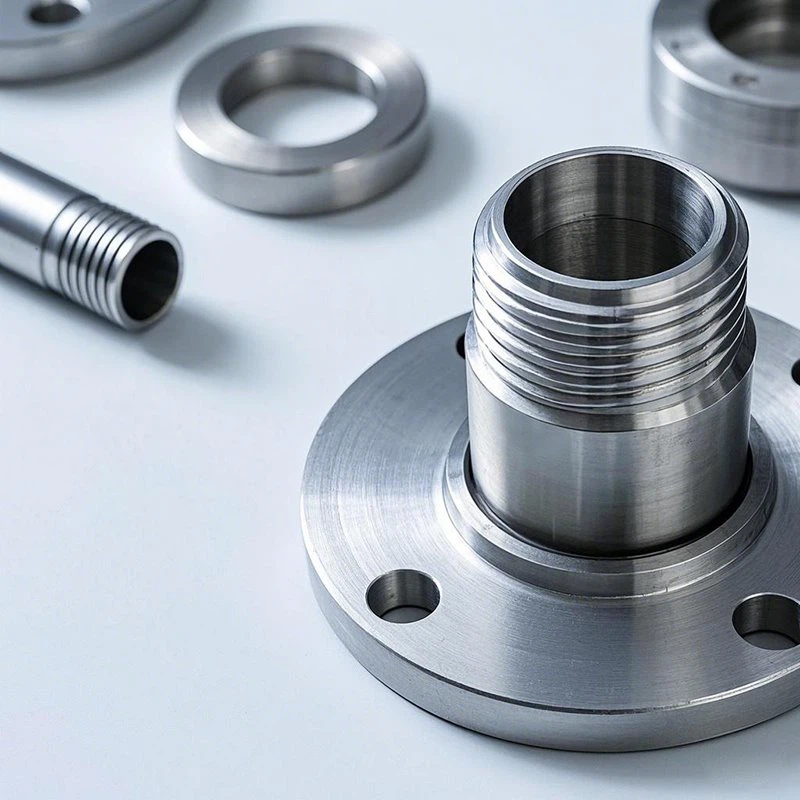
Stainless steel flanges are also not immune to high - temperature effects. At temperatures above 500°C, stainless steel can lose its corrosion resistance due to the formation of chromium carbides. These carbides can deplete the chromium content in the steel's surface layer, leaving it vulnerable to oxidation and corrosion. This degradation can compromise the integrity of the flange, especially in applications where it is exposed to corrosive substances.
Dimensional Changes
Thermal expansion is a well - known phenomenon that occurs when materials are heated. Long Weld Neck Flanges are no exception. As the temperature rises, the flange will expand in all dimensions. This expansion can cause misalignment between the flange and the mating components, such as pipes or valves. If the expansion is not properly accounted for in the design and installation, it can lead to excessive stress on the flange and its connections.
For example, in a pipeline system, the expansion of the flange may cause the bolts holding the flange joint to stretch beyond their elastic limit. This can result in bolt loosening, which can lead to leaks in the flange joint. In extreme cases, the excessive stress caused by thermal expansion can even cause the flange to crack or break, leading to system failure.
Creep
Creep is a time - dependent deformation that occurs in materials under a constant load at high temperatures. Long Weld Neck Flanges that are subjected to high - temperature and high - pressure conditions are particularly susceptible to creep. As the flange is under stress from the internal pressure of the fluid or gas it is containing, the high temperature can cause the material to slowly deform over time.
This creep deformation can lead to a reduction in the thickness of the flange wall, which in turn can reduce the flange's ability to withstand pressure. Eventually, the flange may fail due to excessive deformation, resulting in a catastrophic failure of the system. For example, in a power plant boiler system, the flanges used in high - temperature and high - pressure steam lines are at risk of creep failure if the operating conditions are not carefully monitored.
Low - Temperature Effects on Long Weld Neck Flanges
Brittleness
One of the most significant effects of low temperatures on Long Weld Neck Flanges is the increase in brittleness. Many metals, including carbon steel and some stainless steels, become more brittle as the temperature drops. This is because the movement of dislocations within the metal lattice is restricted at low temperatures, making it more difficult for the material to deform plastically.
When a brittle flange is subjected to a sudden impact or stress, it is more likely to crack or fracture. For example, in cold - climate regions or in cryogenic applications, such as liquefied natural gas (LNG) storage and transportation systems, the flanges need to be made of materials with good low - temperature toughness. Otherwise, a small shock or vibration can cause the flange to break, leading to a leak of the cryogenic fluid, which can be extremely dangerous.
Contraction
Just as materials expand when heated, they contract when cooled. The contraction of Long Weld Neck Flanges at low temperatures can also cause problems. Similar to the issues caused by thermal expansion at high temperatures, the contraction can lead to misalignment between the flange and its mating components.
In addition, the contraction can increase the stress on the flange and its connections. The bolts holding the flange joint may be subjected to additional tension as the flange contracts, which can lead to bolt failure. Moreover, the contraction can cause the gasket between the flanges to lose its sealing ability, resulting in leaks.
Mitigating the Impact of Temperature
Material Selection
Choosing the right material is crucial for minimizing the impact of temperature on Long Weld Neck Flanges. For high - temperature applications, materials such as high - alloy stainless steels or nickel - based alloys can be used. These materials have better high - temperature strength, corrosion resistance, and creep resistance compared to traditional carbon steels.
For low - temperature applications, materials with good low - temperature toughness, such as low - carbon steels or austenitic stainless steels, should be selected. These materials can withstand the brittleness associated with low temperatures and are less likely to crack or fracture.
Design Considerations
Proper design is essential for ensuring the performance of Long Weld Neck Flanges in different temperature conditions. In the design stage, thermal expansion and contraction should be carefully calculated and accounted for. This can involve using expansion joints or flexible connections in the pipeline system to accommodate the dimensional changes of the flanges.
The flange's shape and thickness should also be optimized to reduce stress concentrations. For example, a well - designed weld neck can help distribute the stress more evenly, reducing the risk of cracking. Additionally, the bolt size and tightening torque should be carefully selected to ensure that the flange joint remains secure under different temperature conditions.
Monitoring and Maintenance
Regular monitoring and maintenance are necessary to detect and address any issues related to temperature - induced problems in Long Weld Neck Flanges. This can include visual inspections for signs of corrosion, cracking, or deformation. Non - destructive testing methods, such as ultrasonic testing or magnetic particle testing, can be used to detect internal defects in the flanges.
The bolts holding the flange joint should be regularly checked for tightness, and any loose bolts should be retightened. The gaskets should also be inspected and replaced if they show signs of wear or damage. By implementing a comprehensive monitoring and maintenance program, the risk of flange failure can be significantly reduced.
Our Offerings as a Long Weld Neck Flange Supplier
As a supplier of Long Weld Neck Flanges, we understand the importance of temperature in flange performance. We offer a wide range of flanges made from different materials to suit various temperature applications. Our flanges are designed and manufactured to the highest standards, ensuring their reliability and durability.
We also provide customized solutions to meet the specific needs of our customers. Whether you need a flange for a high - temperature power plant application or a low - temperature cryogenic system, we can work with you to design and produce the right flange. Our products include Flange with Orifice Welding Neck, Stainless Steel Socket Weld Flange, and Flat Face Weld Neck Flange.
If you are in the market for Long Weld Neck Flanges, we encourage you to contact us for a detailed discussion about your requirements. Our team of experts can provide you with professional advice and guidance to ensure that you select the right flange for your application. We are committed to providing high - quality products and excellent customer service to help you achieve optimal performance in your systems.
References
- ASME Boiler and Pressure Vessel Code, Section VIII, Division 1: Rules for Construction of Pressure Vessels.
- API 6A: Specification for Wellhead and Christmas Tree Equipment.
- BS EN 1092 - 1: Flanges and their joints - Circular flanges for pipes, valves, fittings and accessories, PN designated - Part 1: Steel flanges.