

Hey there! As a supplier of stainless steel nuts, I often get asked about the difference between stainless steel nuts and regular nuts. Well, let's dive right in and break it down.
Material Composition
First off, the main difference lies in what they're made of. Regular nuts can be crafted from a variety of materials like carbon steel, brass, or even plastic. Carbon steel nuts are super common. They're strong and relatively inexpensive, which makes them a go - to for many general applications. But they have a big Achilles' heel: they rust easily. When exposed to moisture, oxygen, and other corrosive elements, carbon steel nuts start to break down, forming that reddish - brown rust you've probably seen on old bolts and nuts.
On the other hand, stainless steel nuts are made from an alloy that contains at least 10.5% chromium. This chromium forms a thin, invisible layer of chromium oxide on the surface of the nut. This layer acts as a shield, preventing oxygen from reaching the metal beneath and stopping the corrosion process. So, stainless steel nuts are much more resistant to rust and corrosion compared to regular carbon steel nuts.
Brass nuts are another type of regular nut. They're made from an alloy of copper and zinc. Brass has a nice appearance and is quite malleable. It's often used in applications where aesthetics matter, like in decorative hardware. However, brass nuts may not be as strong as carbon steel or stainless steel nuts, and they can also corrode over time, especially in certain chemical environments.
Plastic nuts are lightweight and non - conductive. They're used in applications where electrical insulation is required or where weight is a concern. But they lack the strength of metal nuts and can be damaged easily under high stress.
Strength and Durability
When it comes to strength, stainless steel nuts are generally pretty tough. They can handle a good amount of tension and shear forces. Their strength is comparable to that of high - quality carbon steel nuts. This makes them suitable for a wide range of applications, from construction projects to automotive manufacturing.
Regular carbon steel nuts can also be very strong, especially those that are heat - treated. Heat treatment can significantly increase their hardness and strength. But as I mentioned earlier, their durability is compromised by corrosion. Once rust starts to set in, the structural integrity of the nut weakens, and it may fail prematurely.
Stainless steel nuts, because of their corrosion resistance, have a much longer lifespan. They can withstand harsh environmental conditions, such as exposure to saltwater in marine applications or chemicals in industrial settings, without losing their strength. This means less maintenance and replacement, which can save you time and money in the long run.
Appearance
Appearance can be a big factor, depending on the application. Stainless steel nuts have a sleek, modern look. They have a shiny finish that gives a professional and clean appearance. This makes them a popular choice for applications where the nuts are visible, like in furniture or architectural elements.
Regular carbon steel nuts usually have a duller finish. They may be coated with paint or zinc to improve their appearance and provide some corrosion protection, but over time, these coatings can wear off, revealing the underlying metal. Brass nuts have a warm, golden - yellow color that can add an elegant touch to certain products. Plastic nuts come in a variety of colors, which can be useful for color - coding or for creating a more aesthetically pleasing design.
Cost
Cost is always an important consideration. Regular carbon steel nuts are typically the cheapest option. They're mass - produced, and the raw materials are relatively inexpensive. This makes them a great choice for projects with a tight budget where corrosion isn't a major concern.
Stainless steel nuts are more expensive than regular carbon steel nuts. The cost of the raw materials, especially the chromium used in stainless steel, is higher. Additionally, the manufacturing process for stainless steel nuts may be more complex, which also adds to the cost. However, when you factor in their longer lifespan and lower maintenance requirements, the overall cost - effectiveness of stainless steel nuts can be quite high, especially for applications where durability is crucial.
Brass nuts are usually more expensive than carbon steel nuts but less expensive than stainless steel nuts in most cases. Plastic nuts can vary widely in price, depending on the type of plastic and the manufacturing process.
Applications
Let's talk about where these different types of nuts are used. Regular carbon steel nuts are commonly used in general construction, like in building frames, bridges, and machinery. They're also used in automotive engines and other mechanical systems where the environment is relatively dry and protected from corrosion.
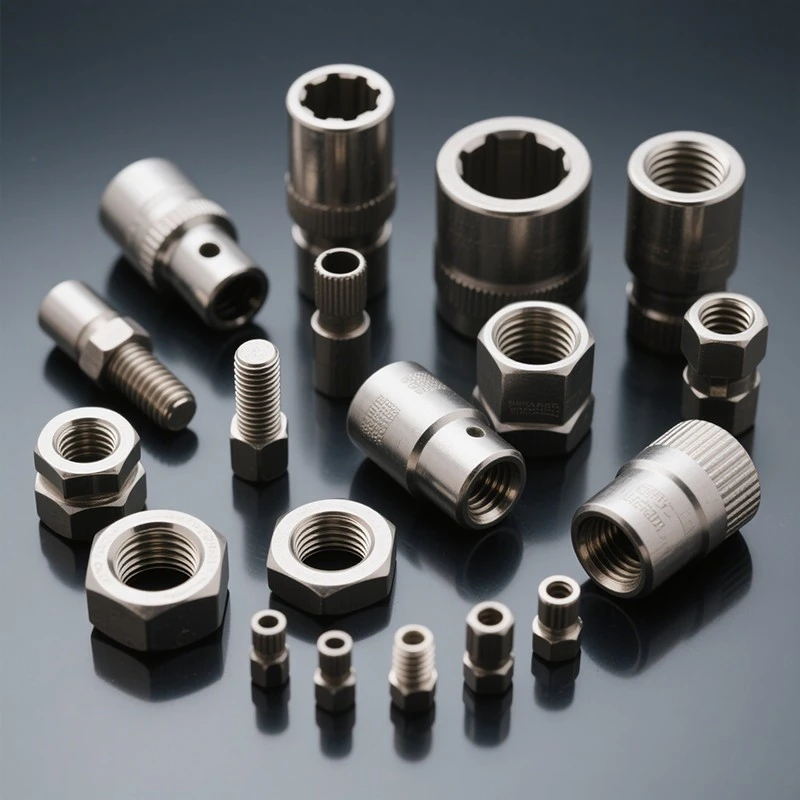

Stainless steel nuts are the top choice for applications where corrosion resistance is essential. In the marine industry, they're used on boats, docks, and offshore structures because they can withstand the salty air and water. In the food and beverage industry, stainless steel nuts are used because they're hygienic and won't contaminate the products. They're also used in chemical processing plants, where they're exposed to corrosive chemicals.
Brass nuts are often used in plumbing fixtures, musical instruments, and decorative hardware. Plastic nuts find their place in electronics, where they provide electrical insulation, and in lightweight structures where weight is a concern.
If you're looking for specific types of nuts, we offer a wide range of options. For Metric Nuts, we have a great selection that meets international standards. Our Capnuts are perfect for applications where you want to protect the end of a bolt and give a finished look. And if you need Barrel Nut, we've got you covered too.
Conclusion
In conclusion, the difference between stainless steel nuts and regular nuts boils down to material composition, strength, durability, appearance, cost, and applications. While regular nuts have their place in many projects, stainless steel nuts offer superior corrosion resistance, longer lifespan, and a better appearance in many cases.
If you're in the market for high - quality stainless steel nuts or need advice on which type of nut is best for your project, don't hesitate to reach out. We're here to help you make the right choice and ensure your project is a success. Whether it's a small DIY project or a large - scale industrial application, we've got the nuts you need. Contact us today to start a discussion about your nut requirements and let's work together to find the perfect solution.
References
- "Metals Handbook: Properties and Selection: Irons, Steels, and High - Performance Alloys"
- "Materials Science and Engineering: An Introduction" by William D. Callister Jr. and David G. Rethwisch
- Industry reports on nut manufacturing and applications