

In the realm of fasteners, capnuts and locknuts play crucial roles, each with its distinct characteristics and applications. As a capnut supplier, I've witnessed firsthand the importance of understanding these differences to ensure the right choice for various projects. In this blog, we'll delve into the disparities between capnuts and locknuts, exploring their designs, functions, and ideal use cases.
Design and Appearance
Capnuts, as the name suggests, have a cap-like shape that covers the end of a bolt or screw. They typically feature a domed or rounded top, which not only provides a finished look but also protects the threaded end from damage, corrosion, and environmental elements. Capnuts come in various materials, including steel, stainless steel, and brass, and are available in different sizes and thread types to accommodate diverse applications.
On the other hand, locknuts are designed to prevent loosening due to vibration, rotation, or other external forces. There are several types of locknuts, each with its unique locking mechanism. One common type is the nylon-insert locknut, which has a nylon ring inserted into the top of the nut. When tightened onto a bolt, the nylon ring creates friction against the threads, preventing the nut from backing off. Another type is the prevailing-torque locknut, which uses a deformed section or a special design to create resistance and maintain a secure hold.
Function and Performance
The primary function of capnuts is to provide a decorative and protective finish to the end of a bolt or screw. They are commonly used in applications where aesthetics are important, such as furniture assembly, architectural structures, and automotive trim. Capnuts also help to prevent debris from accumulating on the threads, which can cause corrosion and make it difficult to remove the nut in the future.

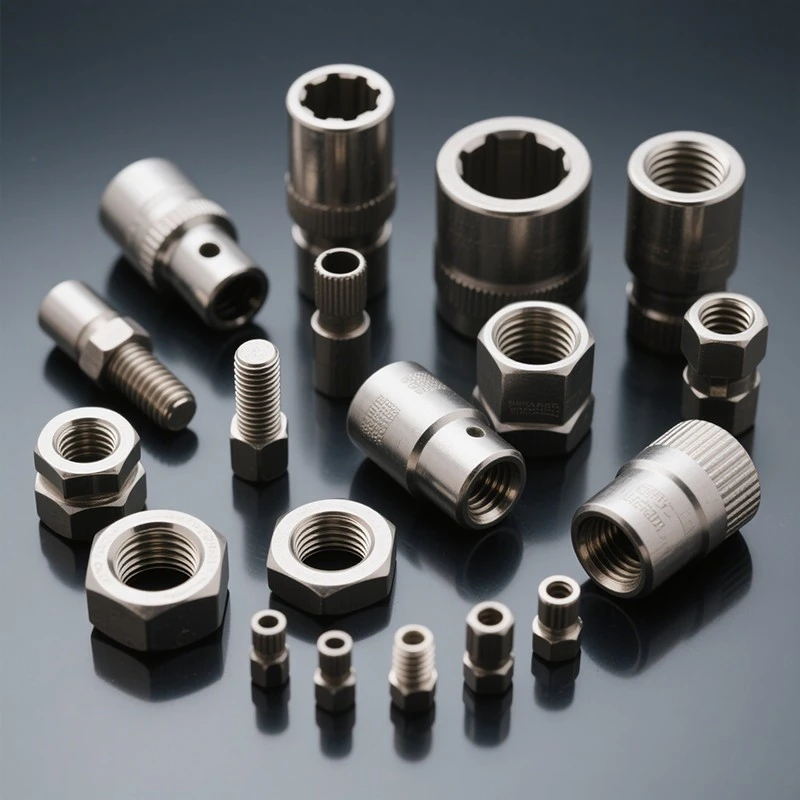
Locknuts, on the other hand, are focused on preventing loosening and maintaining a secure connection. They are essential in applications where vibration, shock, or dynamic loads are present, such as machinery, automotive engines, and aerospace components. By preventing the nut from coming loose, locknuts help to ensure the safety and reliability of the assembly.
Applications
Capnuts are widely used in a variety of industries and applications. In the furniture industry, they are used to attach legs, handles, and other components, providing a clean and professional appearance. In the automotive industry, capnuts are used for trim and decorative purposes, as well as to protect exposed bolts from corrosion. In the construction industry, capnuts are used in architectural structures to provide a finished look and prevent damage to the threads.
Locknuts, on the other hand, are commonly used in applications where vibration and movement are a concern. In the machinery industry, locknuts are used to secure components such as motors, pumps, and gears, preventing them from coming loose during operation. In the automotive industry, locknuts are used in critical areas such as the engine, transmission, and suspension, where a secure connection is essential for safety and performance. In the aerospace industry, locknuts are used in aircraft components to ensure the integrity of the structure and prevent failures due to vibration.
Advantages and Disadvantages
Capnuts offer several advantages, including their decorative appearance, protection against corrosion, and ease of installation. They are also relatively inexpensive and widely available. However, capnuts do not provide any locking mechanism, so they may not be suitable for applications where vibration or movement is a concern.
Locknuts, on the other hand, offer excellent locking performance and are designed to prevent loosening. They are essential in applications where safety and reliability are critical. However, locknuts can be more expensive than capnuts, and some types may require special tools or techniques for installation.
Choosing the Right Nut
When choosing between capnuts and locknuts, it's important to consider the specific requirements of your application. If aesthetics and protection are your primary concerns, capnuts may be the right choice. However, if you need to prevent loosening and ensure a secure connection, locknuts are the better option.
Here are some factors to consider when making your decision:
- Application: Consider the type of application and the environment in which the nut will be used. If vibration, shock, or dynamic loads are present, locknuts are recommended.
- Material: Choose a nut material that is compatible with the bolt or screw and the environment. Stainless steel nuts, such as Stainless Steel Nut, are corrosion-resistant and suitable for outdoor or high-moisture applications.
- Size and Thread Type: Ensure that the nut size and thread type match the bolt or screw. Using the wrong size or thread type can result in a loose or insecure connection.
- Locking Mechanism: If you choose a locknut, consider the type of locking mechanism that is most suitable for your application. Nylon-insert locknuts are a popular choice for general-purpose applications, while prevailing-torque locknuts are often used in high-vibration or critical applications.
Conclusion
In conclusion, capnuts and locknuts are two important types of fasteners with distinct designs, functions, and applications. As a capnut supplier, I understand the importance of choosing the right nut for the job. By considering the specific requirements of your application and the factors discussed in this blog, you can make an informed decision and ensure a secure and reliable connection.
If you have any questions or need assistance in choosing the right capnuts or locknuts for your project, please don't hesitate to contact us. We are here to help you find the best solutions for your fastening needs.
References
- "Fasteners Handbook," Industrial Press Inc.
- "Mechanical Fasteners: Principles and Applications," CRC Press.
- "The ABCs of Fasteners," Fastener Technology International.