

Hey there! I'm a supplier of Metric Nuts, and today I'm gonna take you through the different types of metric nuts out there. Metric nuts are super important in all sorts of industries, from construction to automotive, and having the right type can make a huge difference in how well a project turns out.
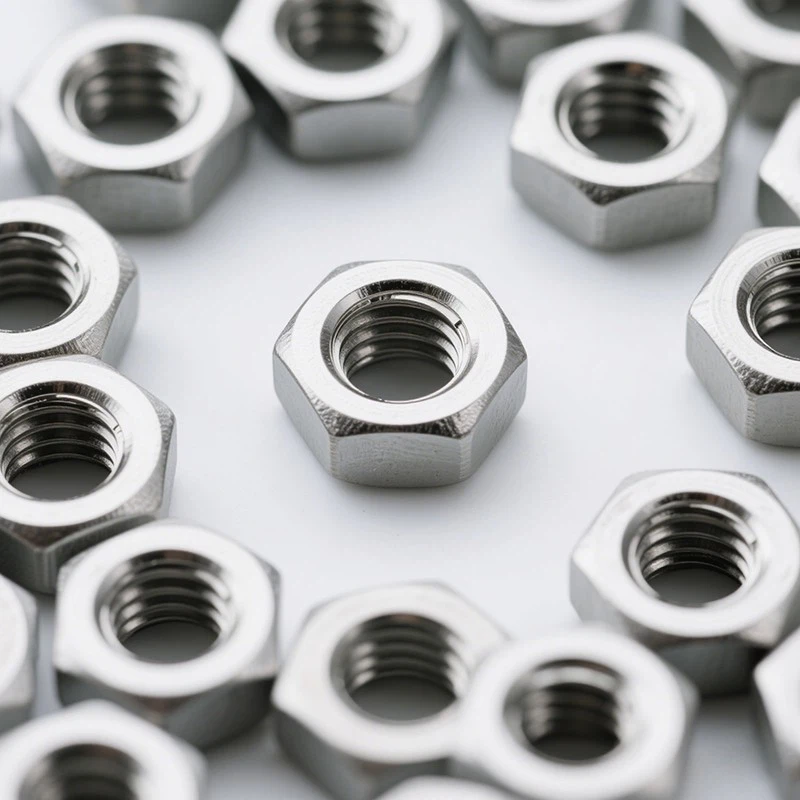
Let's start with the most common one - the Hex Nut. You've probably seen these around a lot. Hex nuts have six sides, which gives you a good grip when you're tightening them with a wrench. They're super versatile and can be used in a wide range of applications. Whether you're building a simple piece of furniture or working on a complex machinery project, hex nuts are often the go - to choice. They come in different sizes and materials, like stainless steel, brass, and carbon steel. Stainless steel hex nuts are great for outdoor applications because they're resistant to rust and corrosion. Brass hex nuts, on the other hand, are often used in electrical applications because brass is a good conductor of electricity.
Next up, we have the lock nut. Lock nuts are designed to prevent loosening due to vibration or rotation. There are a few different types of lock nuts. One common type is the nylon - insert lock nut. It has a nylon ring inside that creates friction when the nut is tightened, keeping it in place. Another type is the prevailing - torque lock nut. This type has a deformed section that provides resistance to loosening. Lock nuts are crucial in applications where safety is a concern, like in automotive engines or aircraft components.
Then there's the Domed Nut. These nuts have a rounded top, which gives them a more finished and aesthetically pleasing look. They're often used in applications where appearance matters, like in furniture or decorative metalwork. Domed nuts can also provide some protection to the end of the bolt, preventing it from scratching or catching on things. They come in various finishes, such as chrome - plated or black - oxide, to match different design requirements.
Flange nuts are another interesting type. They have a wide flange at the base that acts like a washer. This flange distributes the load over a larger area, reducing the risk of the nut digging into the surface it's being tightened against. Flange nuts are commonly used in automotive and machinery applications, where they can help prevent damage to the mating surface.
Square nuts are also out there. As the name suggests, they have a square shape. Square nuts were more common in the past, but they're still used in some specific applications. They provide a larger surface area for a wrench to grip compared to hex nuts, which can be useful in some situations where a lot of torque needs to be applied.
Now, let's talk about wing nuts. Wing nuts are designed to be tightened and loosened by hand, without the need for tools. They have two "wings" that you can grip and turn. Wing nuts are great for applications where you need to make frequent adjustments, like in some types of machinery guards or in DIY projects around the house.

Cap nuts are another type. They have a closed end that covers the end of the bolt. This can be useful for protecting the bolt from dirt, moisture, and other contaminants. Cap nuts are often used in outdoor or industrial environments where the bolt needs to be protected.
When it comes to choosing the right metric nut for your project, there are a few things to consider. First off, you need to think about the size. Metric nuts are sized according to the diameter of the bolt they're meant to fit and the pitch of the threads. Make sure you get the right size to ensure a proper fit.
The material is also crucial. As I mentioned earlier, different materials have different properties. Stainless steel is great for corrosion resistance, while carbon steel is strong and can handle high loads. Brass is good for electrical conductivity. You need to pick the material that suits the environment and the requirements of your project.
The application itself is important too. If it's a high - vibration application, you might want to go for a lock nut. If appearance matters, a domed nut could be the way to go. And if you need to make quick adjustments, wing nuts are your friend.
As a Metric Nuts supplier, I've seen it all. I know how important it is to have the right nuts for the job. That's why I stock a wide range of metric nuts in different types, sizes, and materials. Whether you're a small - scale DIYer or a large - scale industrial client, I've got you covered.
If you're in the market for metric nuts, I'd love to have a chat with you. We can go over your specific needs, and I can help you find the perfect nuts for your project. Don't hesitate to reach out and start a conversation about your metric nut requirements.
References
- Machinery's Handbook: A comprehensive reference for mechanical engineering and manufacturing, which provides detailed information on nuts and fasteners.
- Fastener Standards: Documents that define the specifications for different types of nuts, including metric nuts.