

As a supplier of Metric To JIC Adapters, I understand the importance of ensuring these adapters perform at their best. In the hydraulic industry, the Metric To JIC Adapter serves as a crucial component that bridges the gap between different connection standards. In this blog, I will share some effective ways to adjust the performance of a Metric To JIC Adapter.
Understanding the Basics of Metric To JIC Adapters
Before delving into performance adjustment, it's essential to have a clear understanding of what Metric To JIC Adapters are. Metric connections are widely used in European and Asian hydraulic systems, while JIC (Joint Industry Council) connections are predominantly used in North America. These adapters allow for the seamless integration of components with different connection standards, enabling the efficient transfer of hydraulic fluid.
The design of a Metric To JIC Adapter typically involves a male JIC end and a female metric end, or vice versa. The JIC end features a 37-degree flare, which provides a reliable seal when tightened against a mating surface. The metric end, on the other hand, has a specific thread pitch and diameter that conforms to the metric standard.
Factors Affecting the Performance of Metric To JIC Adapters
Several factors can influence the performance of a Metric To JIC Adapter. Understanding these factors is the first step in making the necessary adjustments.
1. Material Quality
The material used in the manufacturing of the adapter plays a significant role in its performance. High-quality materials, such as stainless steel or brass, offer better corrosion resistance and durability. Inferior materials may lead to leaks, premature wear, and reduced performance over time. As a supplier, we ensure that our Metric To JIC Adapters are made from top-grade materials to guarantee long-lasting performance.
2. Thread Fit
Proper thread fit is crucial for a secure connection. If the threads are too loose, it can result in leaks, while overly tight threads can damage the adapter or the mating component. When installing a Metric To JIC Adapter, it's important to use the correct torque specifications. Over-tightening can cause the threads to strip, while under-tightening can lead to fluid leakage.
3. Seal Integrity
The seal is another critical aspect of the adapter's performance. A damaged or worn seal can compromise the integrity of the connection and cause leaks. Regular inspection of the seal and replacement when necessary is essential to maintain optimal performance.
4. Fluid Compatibility
The type of hydraulic fluid used in the system must be compatible with the adapter material. Incompatible fluids can cause corrosion, swelling, or degradation of the adapter, leading to performance issues. It's important to consult the manufacturer's guidelines to ensure that the fluid used is suitable for the adapter.

Adjusting the Performance of Metric To JIC Adapters
1. Material Selection
As mentioned earlier, material quality is a key factor in the performance of the adapter. When selecting a Metric To JIC Adapter, consider the operating environment and the type of hydraulic fluid used. For applications in corrosive environments, stainless steel adapters are a better choice, while brass adapters may be suitable for less demanding applications.
2. Thread Installation
Proper thread installation is crucial for a leak-free connection. Use a torque wrench to tighten the adapter to the recommended torque specifications. This will ensure that the threads are properly engaged without over-tightening. Additionally, it's important to clean the threads before installation to remove any dirt or debris that could affect the fit.
3. Seal Replacement
Regularly inspect the seal for signs of wear or damage. If the seal is damaged, replace it immediately with a new one. When replacing the seal, make sure to use the correct size and type of seal recommended by the manufacturer.
4. Fluid Compatibility Check
Before using a Metric To JIC Adapter in a hydraulic system, check the compatibility of the hydraulic fluid with the adapter material. If necessary, consult the fluid manufacturer or the adapter supplier for guidance. Using a compatible fluid will help prevent corrosion and other performance issues.
The Role of Other Hydraulic Components
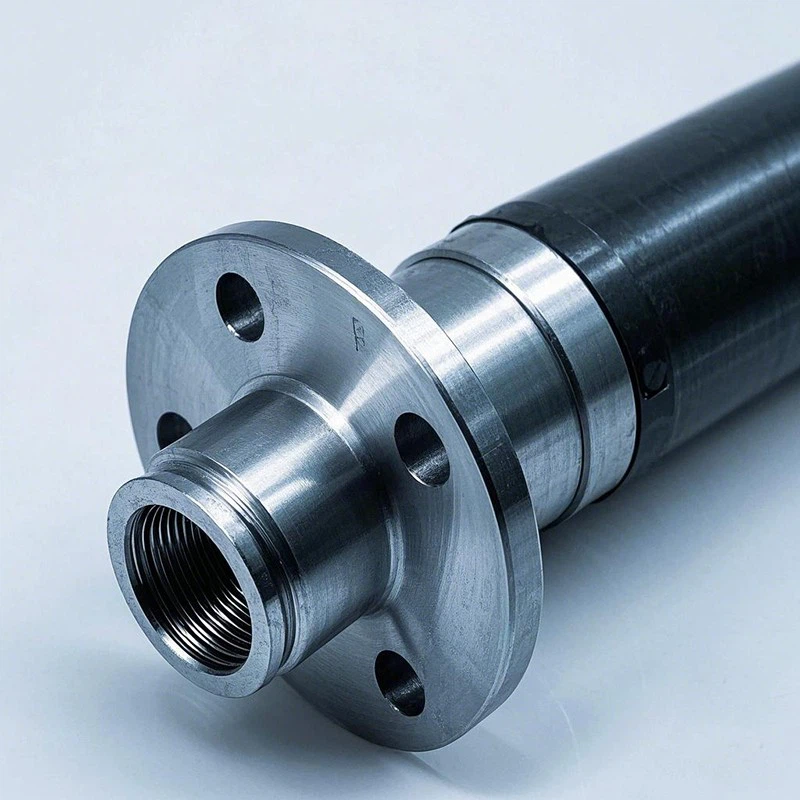
In addition to adjusting the Metric To JIC Adapter itself, it's important to consider the role of other hydraulic components in the system. Components such as Threaded Pipe Flange, Hydraulic Swivel Connector, and Adapter Hydraulic Hose Fittings can also affect the overall performance of the system.
A properly installed and maintained threaded pipe flange can provide a secure connection between the adapter and other components in the system. A hydraulic swivel connector allows for flexibility in the hydraulic lines, reducing stress on the adapter and other components. Adapter hydraulic hose fittings ensure a proper connection between the adapter and the hydraulic hoses, preventing leaks and ensuring efficient fluid transfer.
Conclusion
Adjusting the performance of a Metric To JIC Adapter requires a comprehensive understanding of the factors that affect its performance and the necessary steps to address them. By selecting high-quality materials, ensuring proper thread installation, maintaining seal integrity, and checking fluid compatibility, you can optimize the performance of the adapter and ensure a reliable hydraulic system.
As a supplier of Metric To JIC Adapters, we are committed to providing our customers with high-quality products and expert advice. If you have any questions or need assistance in adjusting the performance of your Metric To JIC Adapters, or if you are interested in purchasing our products, please feel free to contact us for procurement and negotiation.
References
- Hydraulic Adapter Handbook, Industry Standard Publication
- Manufacturer's Guidelines for Metric To JIC Adapters