

Hey there! As a capnuts supplier, I'm often asked if capnuts have a locking mechanism. Well, let's dive right into this topic and clear up any confusion.
First off, what are capnuts? Capnuts, also known as acorn nuts, are a type of fastener with a domed end that covers the exposed threads of a bolt. You can check out more about them here: Capnuts. They're commonly used in applications where aesthetics matter, like in furniture, automotive, and architectural projects. The cap part not only gives a clean and finished look but also protects the threads from dirt, corrosion, and damage.
Now, to answer the big question - do capnuts have a locking mechanism? The short answer is that traditional capnuts typically don't have an inherent locking mechanism like a lock nut. A lock nut is designed to resist loosening under vibration or torque. It might have features such as nylon inserts, deformed threads, or a split design that creates friction to keep it in place.
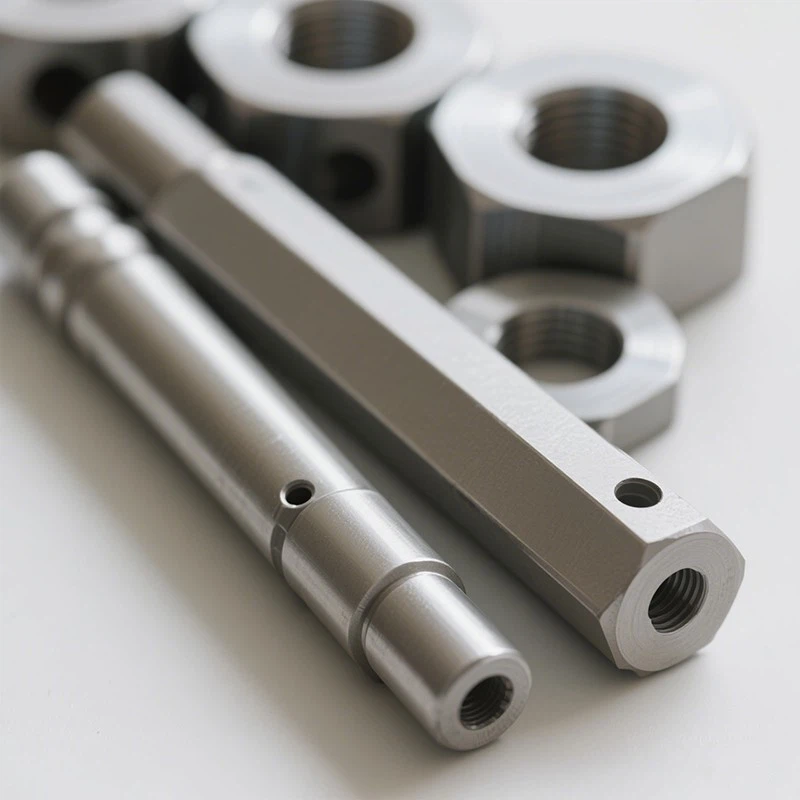

Capnuts, on the other hand, are mainly for covering and protecting. They rely on the basic principle of threading onto a bolt and using the normal friction between the threads to stay in place. When you tighten a capnut onto a bolt, the threads engage, and the pressure between them holds the nut in position. But this is a relatively simple form of retention and isn't as strong as a dedicated locking mechanism.
However, that doesn't mean capnuts can't be made more secure. There are a few ways to enhance their locking ability. One common method is to use a thread - locking compound. You can apply a small amount of this compound to the threads of the bolt before screwing on the capnut. The compound hardens over time, creating a strong bond between the nut and the bolt. This can significantly reduce the chances of the capnut loosening due to vibration or movement.
Another option is to use a washer. A lock washer, like a split washer or a toothed washer, can be placed between the capnut and the surface it's being tightened against. The lock washer creates additional friction and resistance, helping to keep the capnut in place.
Let's compare capnuts with other types of nuts. For example, Metric Nuts come in a wide range of sizes and styles. They're used in metric - based applications and can have different locking features depending on their design. Some metric nuts are lock nuts with built - in locking mechanisms, while others are standard nuts similar to capnuts in terms of basic threading.
Long Hex Nut is another type of fastener. It has a longer body compared to a regular hex nut. The extra length provides more thread engagement, which can increase the holding power. But again, it doesn't necessarily have a locking mechanism unless it's specifically designed as a lock nut.
In some applications, the lack of a strong locking mechanism in capnuts might not be a problem. For instance, in a static application where there's no vibration or movement, a simple capnut tightened properly can do the job just fine. But in a high - vibration environment, like in a machinery or automotive setting, you'll probably want to take steps to make the capnuts more secure.
So, if you're considering using capnuts for your project, think about the conditions they'll be exposed to. If you need a high level of security, you might want to go for the methods I mentioned earlier, like using a thread - locking compound or a lock washer.
Now, I know you might be wondering where to get high - quality capnuts. Well, that's where I come in! As a capnuts supplier, I can offer you a wide range of capnuts in different sizes, materials, and finishes. Whether you need them for a small DIY project or a large - scale industrial application, I've got you covered.
If you're interested in discussing your capnut requirements, I'd love to hear from you. You can reach out to start a conversation about your project, and we can figure out the best capnuts for your needs. Don't hesitate to get in touch, and let's work together to find the perfect fasteners for you.
References
- "Fasteners Handbook" - A comprehensive guide on different types of fasteners and their applications.
- Industry standards and specifications related to capnuts and other nuts.