

Hey there! I'm a supplier of metric nuts, and I've been in this business for quite a while. Over the years, I've gotten plenty of questions from customers about how metric nuts stack up against other types of nuts in terms of quality. So, I thought I'd take some time to break it down for you.
First off, let's talk about what metric nuts are. Metric nuts are nuts that follow the metric system of measurement. They're commonly used in many industries around the world, especially in Europe, Asia, and other places where the metric system is the standard. The metric system offers a more straightforward and consistent way of measuring compared to the imperial system, which can be a big advantage when it comes to precision and compatibility.
One of the key factors in determining the quality of nuts is the material they're made from. Metric nuts can be crafted from a wide range of materials, just like other nuts. You've got your standard carbon steel nuts, which are strong and affordable. They're great for general - purpose applications where you don't need anything super fancy. Then there's stainless steel. Stainless steel metric nuts are corrosion - resistant, which makes them perfect for outdoor or high - moisture environments. For more specialized needs, you might have brass or aluminum metric nuts. Brass is known for its good electrical conductivity and aesthetic appeal, while aluminum is lightweight.
When it comes to manufacturing quality, metric nuts often have an edge. The metric system has well - defined standards for nut dimensions, which means that manufacturers can produce nuts with very high precision. This precision ensures a better fit with metric bolts. You won't have to worry about a nut being too loose or too tight on a bolt, which can lead to all sorts of problems like vibrations, loosening over time, or even mechanical failure.
Let's compare metric nuts to some common types of nuts out there. Take the Hex Nut for example. Hex nuts are one of the most widely used types of nuts. They have six sides, which makes them easy to grip with a wrench. Metric hex nuts follow the same basic design as their non - metric counterparts, but with the added benefit of metric precision. This means that when you're using a metric hex nut with a metric hex bolt, you're getting a more reliable connection. The threads on metric hex nuts are cut to a specific pitch and diameter, which results in a snug and secure fit.
Another popular type is the Hex Bolt Nut. These are often used in heavy - duty applications, like in construction or automotive industries. Metric hex bolt nuts are designed to handle high levels of stress and torque. The strict manufacturing standards for metric nuts ensure that they can withstand these heavy loads without deforming or breaking. This is crucial in applications where safety is a top priority.
Capnuts are also interesting. They're used to cover the end of a bolt, providing a finished look and protecting the bolt threads from damage. Metric capnuts are made to fit metric bolts precisely. Their shape and size are carefully crafted to ensure a proper fit, which not only looks good but also adds an extra layer of protection.
In terms of durability, metric nuts often hold up well. The precise manufacturing means that the threads are less likely to wear down quickly. When you're using a metric nut in an application where there's a lot of movement or vibration, it's less likely to come loose compared to a nut with less precise dimensions. This can save you a lot of time and money in the long run, as you won't have to keep replacing nuts or dealing with maintenance issues caused by loose connections.
Now, let's talk about some of the potential downsides. One thing that some people might find a bit of a hassle is the compatibility issue. If you're in a region where the imperial system is more commonly used, finding metric nuts might be a bit more difficult. And if you're mixing metric and non - metric components, you could run into problems with fit. But if you're working on a project that's entirely metric, this isn't an issue at all.
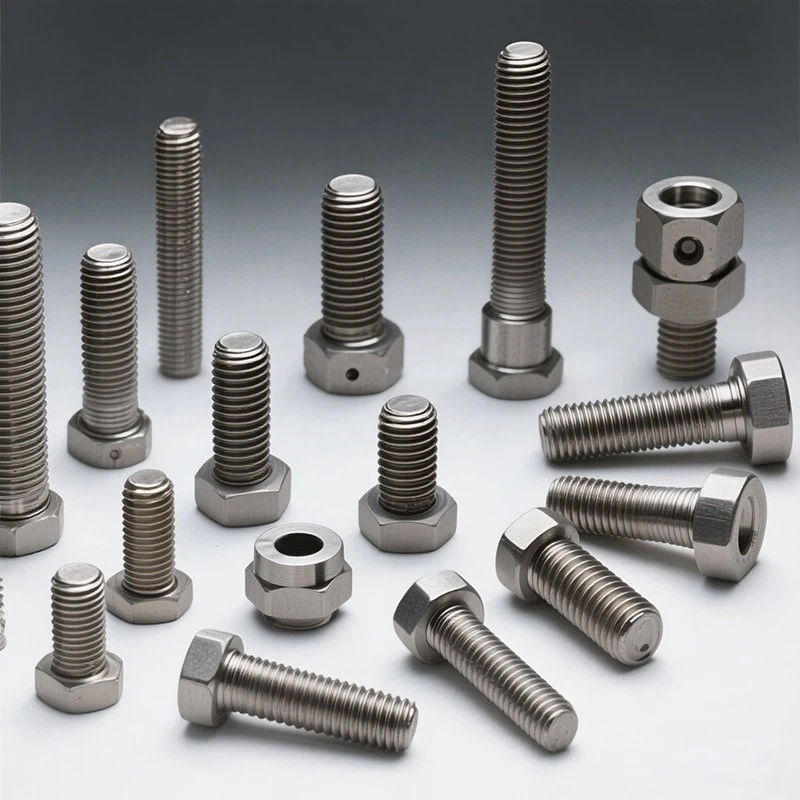

Another aspect to consider is cost. In some cases, metric nuts might be a bit more expensive than non - metric nuts. This is mainly because of the higher manufacturing precision and the fact that they might be less commonly available in certain areas. However, when you factor in the long - term benefits of using high - quality metric nuts, like fewer maintenance issues and a longer lifespan, the extra cost can often be worth it.
So, in conclusion, metric nuts offer a lot in terms of quality. Their precision, durability, and compatibility with metric bolts make them a great choice for many applications. Whether you're in the automotive industry, construction, or just doing some DIY projects at home, metric nuts can provide a reliable and long - lasting solution.
If you're interested in purchasing metric nuts for your next project, I'd love to talk to you. We've got a wide range of metric nuts in different materials, sizes, and types. Just reach out, and we can discuss your specific needs and find the perfect metric nuts for you.
References:
- Machinery's Handbook, which provides detailed information on nut manufacturing standards and mechanical properties.
- Industry reports on fastener quality and performance.