

As a supplier of welded flanges, I've witnessed firsthand the evolution of flange technology over the years. One of the most significant developments in this field is the emergence of new - style welded flanges. In this blog, I'll explore the differences between new - style welded flanges and traditional welded flanges, and why these differences matter in various industrial applications.
Design and Structure
Traditional welded flanges typically have a relatively simple design. They are often made with a plain face and a straightforward shape, which is designed to be welded directly to pipes. The connection is mainly achieved through a single - pass weld around the circumference of the flange and the pipe. This design has been used for decades and is well - established in the industry.
On the other hand, new - style welded flanges incorporate more advanced design features. For example, some new - style flanges have a contoured shape that allows for better stress distribution. This means that the flange can withstand higher pressures and forces without deforming. Additionally, new - style flanges may have additional features such as integrated gaskets or sealing mechanisms, which enhance the overall performance of the connection.
One of the key design differences is the profile of the flange neck. Traditional welded flanges usually have a straight neck, while new - style flanges may have a tapered or curved neck. The tapered or curved neck helps to reduce stress concentration at the weld joint, improving the fatigue resistance of the flange. This is particularly important in applications where the flange is subjected to cyclic loading, such as in pipelines that carry fluids under high pressure.
Material and Manufacturing Processes
The materials used in traditional and new - style welded flanges also differ. Traditional flanges are commonly made from carbon steel, which is relatively inexpensive and has good mechanical properties. However, carbon steel may be prone to corrosion in certain environments, especially those with high humidity or exposure to chemicals.
New - style welded flanges, on the other hand, can be made from a wider range of materials, including stainless steel and alloy steels. Stainless steel flanges, such as the Stainless Steel Socket Weld Flange, offer excellent corrosion resistance, making them suitable for use in harsh environments. Alloy steels, on the other hand, can provide enhanced strength and toughness, which are essential in high - pressure applications.
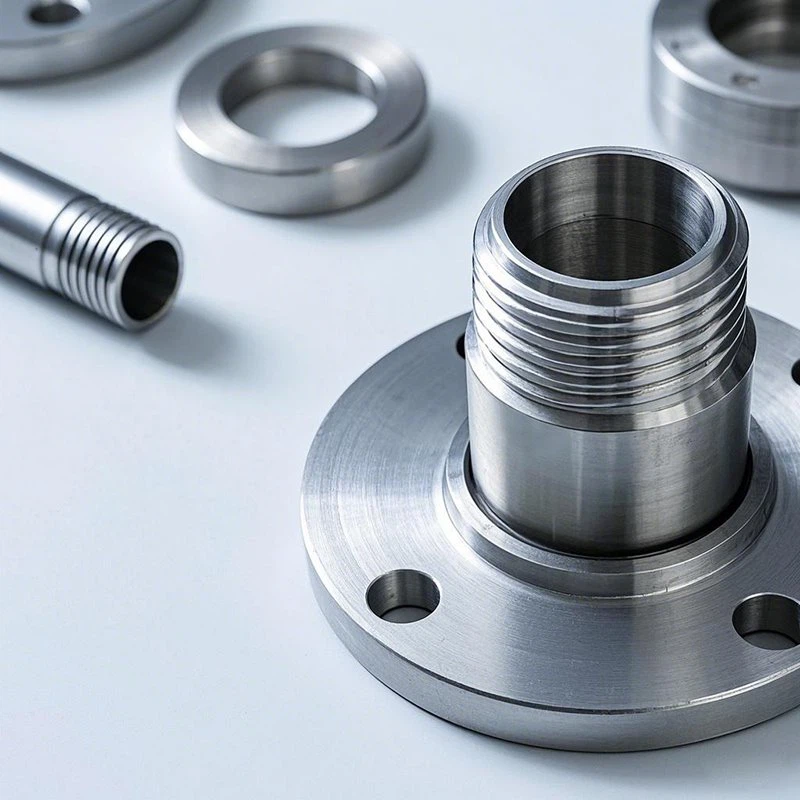
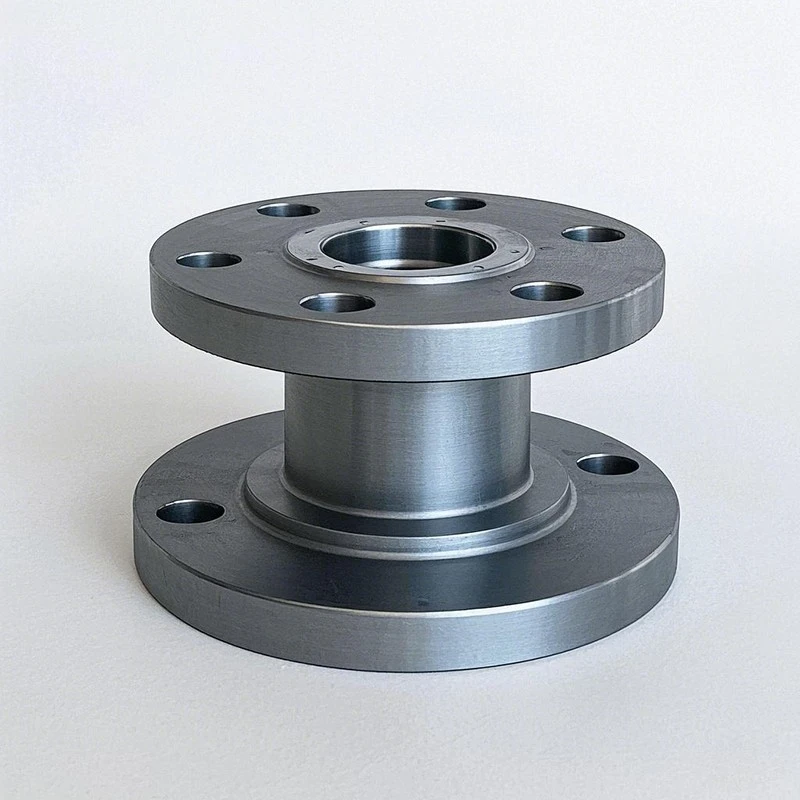
In terms of manufacturing processes, traditional flanges are often produced using casting or forging methods. Casting involves pouring molten metal into a mold, while forging involves shaping the metal through the application of pressure. New - style flanges, however, may use more advanced manufacturing techniques such as precision machining. Precision machining allows for greater control over the dimensions and surface finish of the flange, resulting in a higher - quality product.
Performance and Functionality
When it comes to performance, new - style welded flanges generally outperform traditional flanges. The advanced design and materials used in new - style flanges result in better sealing performance. The integrated gaskets and sealing mechanisms in new - style flanges can prevent leaks more effectively, reducing the risk of fluid loss and environmental contamination.
In addition, new - style flanges have better resistance to vibration and shock. The improved stress distribution and fatigue resistance of new - style flanges mean that they can withstand the rigors of industrial operations without failing. This is crucial in applications where the flange is exposed to dynamic loads, such as in pumps and compressors.
Another aspect of performance is the ease of installation. New - style flanges are often designed to be more user - friendly, with features such as pre - drilled holes and alignment guides. This makes the installation process faster and more accurate, reducing the time and cost associated with flange installation.
Cost and Value
The cost of new - style welded flanges is generally higher than that of traditional flanges. This is due to the use of more advanced materials and manufacturing processes. However, it's important to consider the long - term value of new - style flanges. The improved performance and durability of new - style flanges mean that they can reduce maintenance costs and downtime in the long run.
For example, a new - style flange made from stainless steel may have a higher initial cost than a traditional carbon steel flange. However, the stainless steel flange will not corrode as easily, which means that it will require less maintenance and replacement over its lifespan. In the long term, this can result in significant cost savings for the end - user.
Applications
Traditional welded flanges are still widely used in many industries, especially in applications where cost is a major concern and the operating conditions are relatively mild. For example, they are commonly used in low - pressure water and gas pipelines, as well as in some general industrial applications.
New - style welded flanges, on the other hand, are more suitable for applications where high performance and reliability are required. They are commonly used in the oil and gas industry, chemical processing plants, and power generation facilities. For instance, the Flange with Orifice Welding Neck is often used in applications where flow measurement is required, while the Flat Face Weld Neck Flange is suitable for applications where a flat surface is needed for sealing.
Conclusion
In conclusion, the differences between new - style welded flanges and traditional welded flanges are significant. New - style flanges offer improved design, better materials, enhanced performance, and greater long - term value. While traditional flanges still have their place in certain applications, new - style flanges are becoming increasingly popular in industries where high performance and reliability are essential.
If you're in the market for welded flanges and are looking for high - quality products, I encourage you to consider our range of new - style welded flanges. Whether you need a Stainless Steel Socket Weld Flange, a Flange with Orifice Welding Neck, or a Flat Face Weld Neck Flange, we have the expertise and products to meet your needs. Contact us today to discuss your requirements and explore how our welded flanges can benefit your operations.
References
- ASME B16.5 - Pipe Flanges and Flanged Fittings
- API 605 - Large Diameter Carbon Steel Flanges
- ISO 7005 - Metallic Flanges for Piping