

Hey there! As a supplier of hexagon cap nuts, I often get asked about how these little guys perform in cold environments. Well, let's dive right into it and find out what makes hexagon cap nuts tick when the mercury drops.
First off, let's talk about what hexagon cap nuts are. They're those six - sided nuts with a domed top that not only provide a secure fastening but also give a nice finish to the joint. They're used in a whole bunch of industries, from construction to automotive, and even in some DIY projects.
Now, when it comes to cold environments, the performance of hexagon cap nuts can be affected in a few different ways. One of the main things to consider is the material they're made from. Most hexagon cap nuts are made from metals like steel, stainless steel, or brass. Each of these materials reacts differently to cold temperatures.
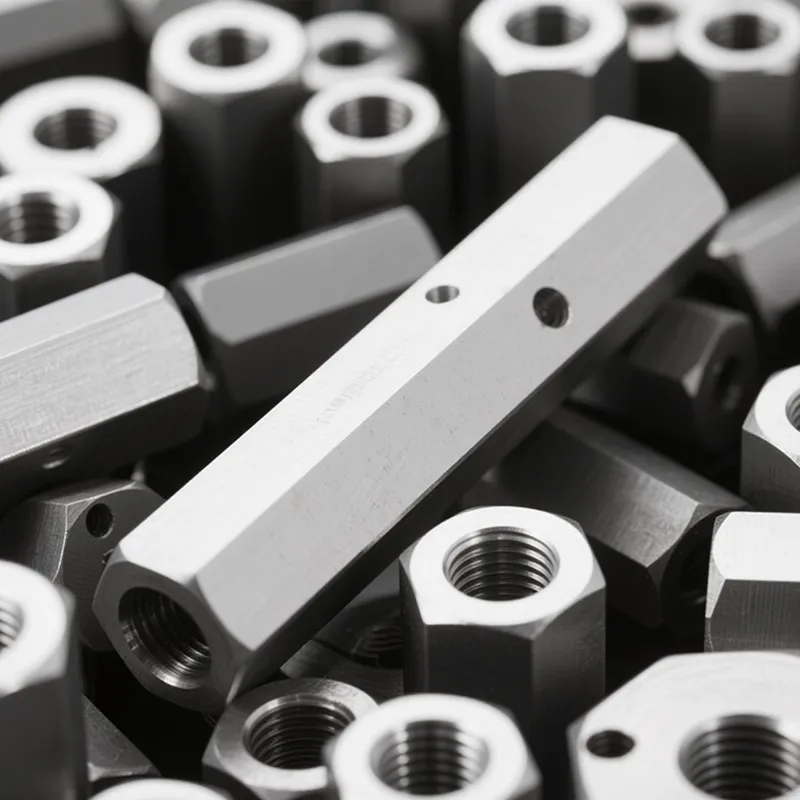

Steel hexagon cap nuts are pretty common. In cold environments, steel can become more brittle. This means that it's more likely to crack or break under stress. For example, if there's a sudden impact or a lot of vibration in a cold - weather application, a steel hexagon cap nut might not hold up as well as it would in a warmer climate. The brittleness is due to the change in the steel's molecular structure as the temperature drops.
On the other hand, Stainless Steel Nut are a great option for cold environments. Stainless steel has a higher resistance to corrosion and is less likely to become brittle in the cold. It contains elements like chromium and nickel, which help to maintain its strength and flexibility even when it's freezing outside. So, if you're in an area where there's a lot of moisture along with the cold, stainless steel hexagon cap nuts are your best bet. They'll resist rust and still provide a strong connection.
Brass hexagon cap nuts also have their advantages in cold environments. Brass is a copper - zinc alloy, and it has good thermal conductivity. This means that it can handle temperature changes better than some other materials. In cold weather, brass doesn't become as brittle as steel, and it can still maintain its shape and integrity. However, brass might not be as strong as steel or stainless steel in high - stress applications.
Another factor that affects the performance of hexagon cap nuts in cold environments is the way they're tightened. In the cold, the metal contracts. This can cause the nut to loosen over time if it wasn't tightened properly in the first place. It's important to follow the correct torque specifications when installing hexagon cap nuts in cold weather. If the nut is too loose, it can lead to a weak connection, which could be a safety hazard in some applications.
Now, let's talk about some specific applications where hexagon cap nuts are used in cold environments. In the construction industry, they're used to fasten structural components together. For example, in a building that's being constructed in a cold climate, hexagon cap nuts are used to secure beams and columns. If the nuts aren't performing well in the cold, it could compromise the integrity of the entire structure.
In the automotive industry, hexagon cap nuts are used in engines, suspension systems, and other parts of the vehicle. In cold weather, the engine has to work harder, and there's more stress on the components. A loose or damaged hexagon cap nut could lead to a breakdown or even an accident. That's why it's crucial to use the right type of nut for the job.
Long Hex Nut can also be a good option in cold environments. They provide more thread engagement, which means a stronger connection. In cold weather, where there's more stress on the joint, the extra thread engagement can help to keep the nut in place and prevent it from loosening.
Capnuts are another variation that can be useful. Their domed top not only gives a neat appearance but also provides some protection against the elements. In cold environments, this can help to prevent moisture from getting into the joint and causing corrosion.
When it comes to choosing the right hexagon cap nuts for a cold environment, there are a few things to keep in mind. First, consider the material. As we've discussed, stainless steel is often the best choice for its resistance to corrosion and brittleness. Second, think about the application. If it's a high - stress application, you might need a stronger nut, like a long hex nut. And finally, make sure to follow the proper installation procedures to ensure a tight and secure connection.
If you're in the market for hexagon cap nuts for a cold - weather application, I'd love to help you out. We have a wide range of hexagon cap nuts in different materials and sizes to meet your needs. Whether you're a contractor, an automotive mechanic, or a DIY enthusiast, we've got the right nut for you. Just reach out, and we can discuss your requirements and find the perfect solution.
In conclusion, hexagon cap nuts can perform well in cold environments if you choose the right material and install them correctly. Stainless steel is a top choice due to its resistance to corrosion and brittleness. Long hex nuts and capnuts can also offer additional benefits. So, don't let the cold weather stop you from getting the job done right. Get in touch with us, and let's find the best hexagon cap nuts for your project.
References
- "Materials Science and Engineering: An Introduction" by William D. Callister Jr. and David G. Rethwisch
- Industry standards and guidelines for fasteners in cold environments.