

Hey there! I'm a supplier of hexagon cap nuts, and today I wanna chat about a pretty important question: Do hexagon cap nuts need to be passivated?
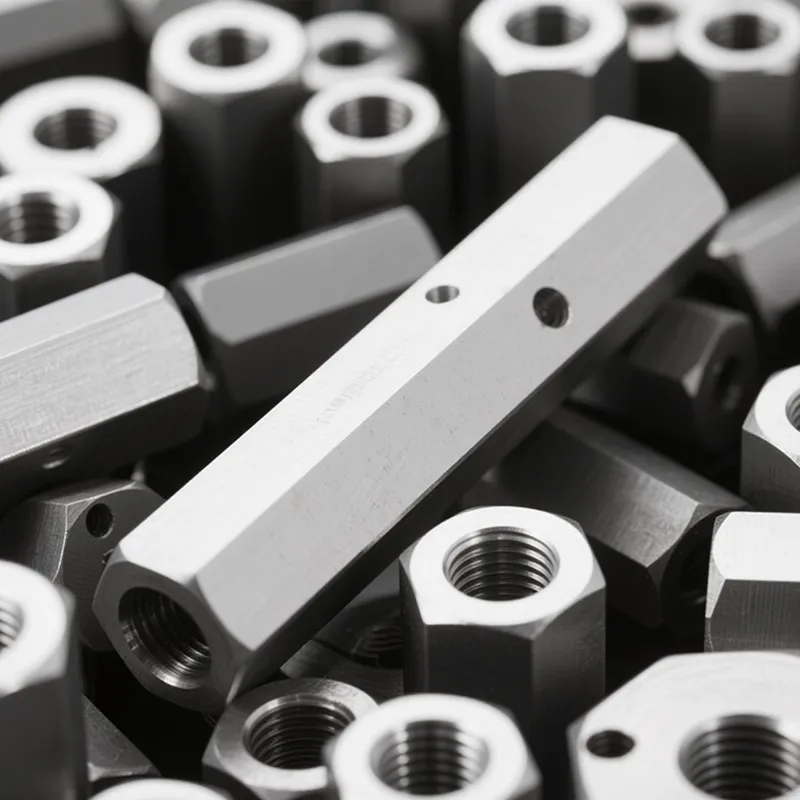
First off, let's talk a bit about what hexagon cap nuts are. They're those nuts with a hexagonal shape on the outside and a cap on one end. They're used in a whole bunch of industries, from construction to automotive. You can check out more about different types of nuts on our website. For instance, if you're interested in Stainless Steel Nut, we've got all the details there. And if you want to know more about Capnuts in general, that's the place to go. Also, we have Long Hex Nut options for specific needs.
Now, let's get into the passivation thing. Passivation is a chemical process that's used to clean and protect the surface of metal parts. When we talk about hexagon cap nuts, passivation can do a few really cool things.
One of the main benefits of passivating hexagon cap nuts is corrosion resistance. Stainless steel, which is a common material for these nuts, contains chromium. When the nuts are passivated, a thin layer of chromium oxide forms on the surface. This layer acts as a shield, protecting the nut from rust and other forms of corrosion. In industries where the nuts are exposed to harsh environments, like in marine or chemical processing, this corrosion resistance is super important. Without passivation, the nuts could start to rust and deteriorate over time, which could lead to all sorts of problems, like loosening of connections or even structural failures.
Another advantage of passivation is that it can improve the appearance of the hexagon cap nuts. The passivation process removes any surface contaminants, like iron particles or grease, that might be left behind from the manufacturing process. This leaves the nuts looking clean and shiny. In some applications, like in the furniture or decorative industries, the appearance of the nuts is just as important as their functionality.
But here's the thing, passivation isn't always necessary. It depends on a few factors. One factor is the material of the nut. If the nut is made from a high-quality stainless steel that already has good corrosion resistance, passivation might not add a whole lot of extra protection. For example, some grades of stainless steel, like 316, are naturally more resistant to corrosion than others. In these cases, passivation might be more of a cosmetic thing.
The environment where the nuts will be used is also a big factor. If the nuts are going to be used in a dry, indoor environment with no exposure to chemicals or moisture, passivation might not be required. On the other hand, if they're going to be used in a wet or corrosive environment, passivation is probably a good idea.
Cost is another consideration. Passivation adds an extra step to the manufacturing process, which means it adds to the cost of the nuts. For some applications, where the cost is a major factor and the risk of corrosion is low, it might not be worth it to passivate the nuts.
So, how do you decide if your hexagon cap nuts need to be passivated? Well, it's a good idea to have a chat with an expert. As a supplier, I've dealt with all sorts of customers and applications, and I can help you figure out what's best for your specific needs.
If you're in the market for hexagon cap nuts, whether you think you need them passivated or not, I'd love to hear from you. We offer a wide range of hexagon cap nuts in different sizes, materials, and finishes. Our team is always ready to answer your questions and help you find the right nuts for your project. Just reach out, and we can start a conversation about your requirements and how we can meet them.
In conclusion, passivation of hexagon cap nuts can offer some great benefits, like corrosion resistance and improved appearance. But it's not always necessary, and it depends on factors like the material, the environment, and the cost. If you're unsure, don't hesitate to get in touch with us. We're here to help you make the best decision for your needs.

References
- ASM Handbook, Volume 13A: Corrosion: Fundamentals, Testing, and Protection. ASM International.
- Machinery's Handbook, 31st Edition. Industrial Press Inc.