

Are there hex nut screws for ceramic materials?
In the world of industrial fasteners, the question of whether there are hex nut screws suitable for ceramic materials is a significant one. As a reputable supplier of hex nut screws, I've encountered numerous inquiries regarding the compatibility of our products with ceramic components. This blog post aims to delve into this topic, exploring the possibilities, challenges, and solutions associated with using hex nut screws in ceramic applications.
Understanding Ceramic Materials
Ceramics are a diverse group of materials known for their unique properties. They can be highly brittle, have excellent heat resistance, and possess varying degrees of hardness and porosity. These characteristics make ceramics suitable for a wide range of applications, from high - temperature environments in aerospace and automotive industries to decorative and electrical components.
When it comes to fastening ceramic materials, the main challenge lies in their brittleness. Unlike metals, which can deform slightly under stress, ceramics tend to crack or break when subjected to excessive force. Therefore, any fastening solution must be carefully designed to distribute the load evenly and minimize the risk of damage.
Hex Nut Screws: An Overview
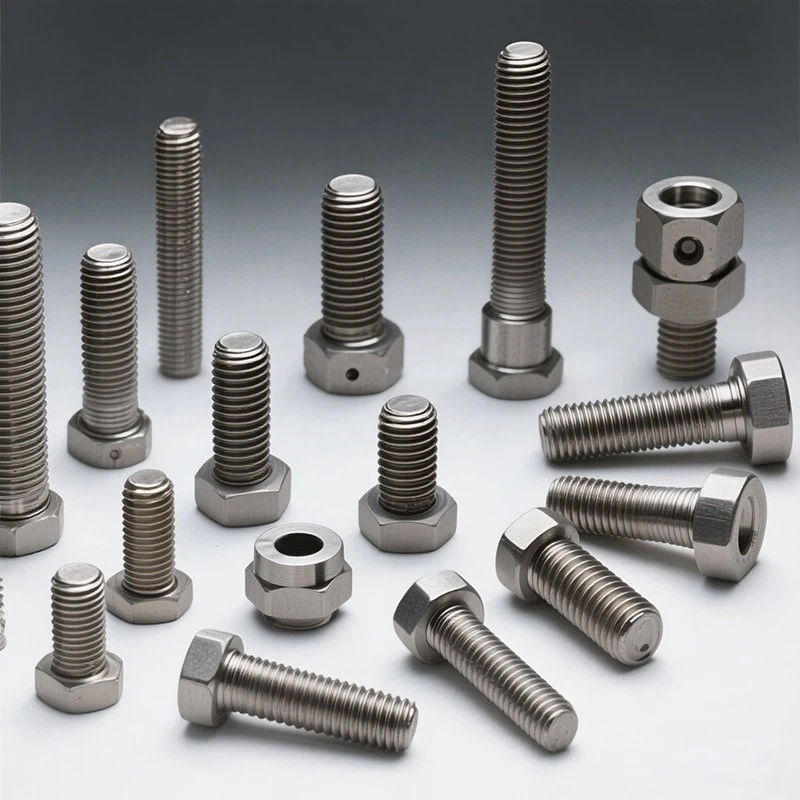
Hex nut screws are one of the most commonly used fasteners in various industries. They consist of a hexagonal nut and a screw, which work together to secure two or more components. The hexagonal shape of the nut allows for easy tightening and loosening using a wrench, providing a reliable and adjustable connection.
There are different types of hex nut screws available in the market, each with its own unique features and applications. For example, Hexagon Cap Nut offers a smooth, finished appearance and can provide additional protection against corrosion. Hex Bolt Nut is often used in heavy - duty applications where high strength is required. And Capnuts are useful for covering the end of a bolt, offering a clean and safe finish.
Compatibility of Hex Nut Screws with Ceramic Materials
The use of hex nut screws with ceramic materials is possible, but it requires careful consideration. The first step is to select the right type of screw and nut. Soft - material screws, such as those made of brass or aluminum, are often preferred over harder metals like steel. This is because softer materials can deform slightly under pressure, reducing the risk of cracking the ceramic.
In addition to the material of the screw, the design of the fastening system also plays a crucial role. A well - designed system should include washers to distribute the load evenly across the ceramic surface. Flat washers can be used to prevent the nut from digging into the ceramic, while spring washers can help maintain the tension in the connection.
Another important factor is the torque applied during installation. Over - tightening the hex nut screw can cause excessive stress on the ceramic, leading to cracks. Therefore, it is essential to follow the manufacturer's recommended torque values. In some cases, it may be necessary to use a torque - limiting wrench to ensure accurate and consistent tightening.
Applications of Hex Nut Screws in Ceramic Materials
Despite the challenges, there are several applications where hex nut screws are used with ceramic materials. In the electronics industry, ceramics are often used as substrates for printed circuit boards. Hex nut screws can be used to secure these boards to other components, providing a stable and reliable connection.

In the automotive and aerospace industries, ceramics are used in high - temperature applications such as engine components and heat shields. Hex nut screws made of heat - resistant materials can be used to fasten these ceramic parts, ensuring they remain in place under extreme conditions.
Testing and Quality Assurance
As a supplier of hex nut screws, we understand the importance of quality and reliability. Before supplying our products for ceramic applications, we conduct rigorous testing to ensure their compatibility. This includes testing the screws for their material properties, such as hardness and corrosion resistance, as well as their performance under different load conditions.
We also work closely with our customers to understand their specific requirements. By providing customized solutions and technical support, we can help our customers choose the right hex nut screws for their ceramic applications.
Challenges and Future Developments
While hex nut screws can be used with ceramic materials, there are still some challenges that need to be addressed. One of the main challenges is the development of more advanced fastening solutions that can better handle the unique properties of ceramics. For example, new materials and designs are being explored to improve the load - distribution capabilities of hex nut screws.
In the future, we expect to see more innovative solutions emerging in this area. With the continuous development of ceramic materials and the increasing demand for high - performance fastening solutions, the market for hex nut screws in ceramic applications is likely to grow.
Conclusion
In conclusion, there are indeed hex nut screws suitable for ceramic materials. However, the successful use of these screws requires careful consideration of the material, design, and installation process. As a supplier of hex nut screws, we are committed to providing high - quality products and professional services to meet the needs of our customers in ceramic applications.
If you are interested in purchasing hex nut screws for your ceramic projects or have any questions about our products, please feel free to contact us. We look forward to discussing your requirements and providing you with the best fastening solutions.
References
- "Engineering Ceramics: Properties, Processing, and Applications" by J. Reed
- "Fasteners Handbook" by H. J. Collins
- Industry standards and guidelines related to ceramic materials and fasteners.