

Hey there! As a barrel nut supplier, I often get asked about what materials these little guys are made of. Well, let's dive right into it and explore the different materials that go into making barrel nuts.
Steel
Steel is hands - down one of the most common materials for barrel nuts. It's a no - brainer because of its strength and durability. There are different types of steel used, like carbon steel and stainless steel.
Carbon steel barrel nuts are pretty popular. They're strong and can handle a good amount of stress. They're often used in construction and industrial applications where you need a nut that can hold up under heavy loads. For example, in building frames or machinery parts. But the downside is that carbon steel can rust if it's exposed to moisture for too long. So, sometimes they're coated with things like zinc to protect them.
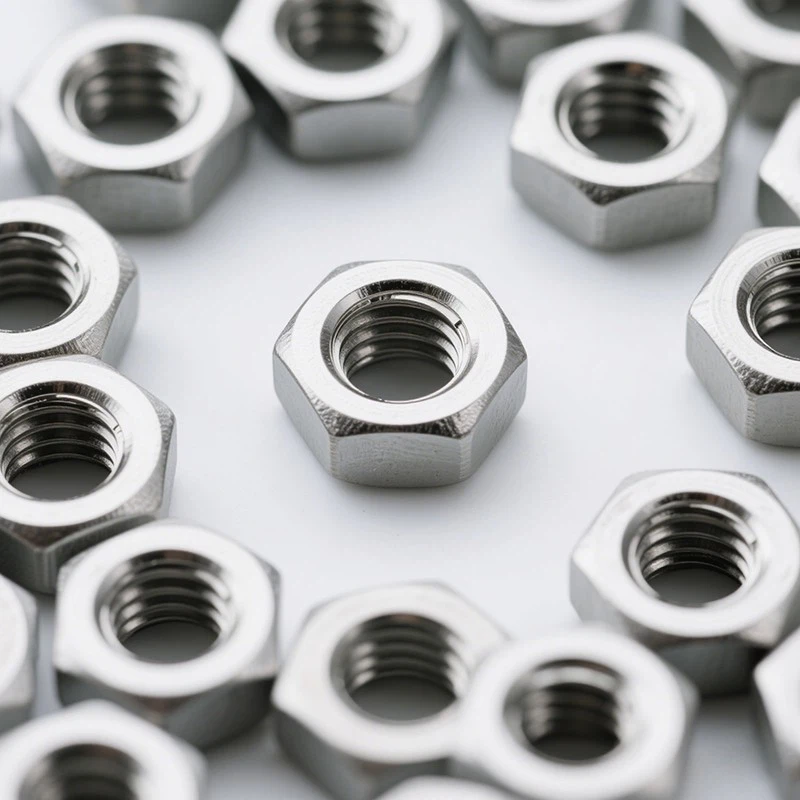
On the other hand, stainless steel barrel nuts are a great choice when you need something corrosion - resistant. They contain chromium, which forms a protective layer on the surface and prevents rust. These are perfect for outdoor applications or in environments where there's a lot of moisture, like in marine settings. You can find them in boat building, outdoor furniture, or even in some plumbing fixtures. If you're looking for high - quality Hex Bolt Nut, steel ones are usually a top pick.
Brass
Brass is another material you'll see in barrel nuts. It has a nice, golden - yellow appearance, which makes it aesthetically pleasing. But it's not just about looks. Brass is also quite corrosion - resistant, especially in non - acidic environments.
One of the big advantages of brass barrel nuts is their conductivity. They're often used in electrical applications because they can conduct electricity well. You might find them in wiring systems or electrical enclosures. Also, brass is relatively soft compared to steel, which means it's easier to machine. This can be a plus when you need nuts with precise dimensions. If you're into making custom - made electrical components, Metric Nuts in brass could be a great option for you.
Aluminum
Aluminum barrel nuts are lightweight, which is a huge advantage in some applications. They're commonly used in the aerospace and automotive industries, where reducing weight is crucial for fuel efficiency and performance.
Aluminum is also corrosion - resistant due to the thin oxide layer that forms on its surface. However, it's not as strong as steel. So, it's usually used in applications where the loads are relatively light. For example, in some interior parts of cars or in small aircraft components. If you're working on a project where weight is a major concern and you need Hex Head Barrel Nut, aluminum ones could be your go - to.
Plastic
Plastic barrel nuts are becoming more and more popular, especially in consumer products. They're cheap to produce, lightweight, and can be made in a variety of colors.
One of the main benefits of plastic barrel nuts is that they're non - conductive. This makes them ideal for use in electronic devices where you don't want any electrical interference. They're also resistant to chemicals, so they can be used in environments where there are corrosive substances. You'll often find them in things like toys, small appliances, or some furniture pieces.
Titanium
Titanium is a high - end material for barrel nuts. It's incredibly strong but also very lightweight. Titanium has excellent corrosion resistance, even in harsh environments.
It's commonly used in high - performance applications, such as in the aerospace industry for critical components or in high - end sports equipment. However, titanium is expensive. So, it's not used as widely as steel or brass. But if you're working on a project where you need the best of the best in terms of strength - to - weight ratio and corrosion resistance, titanium barrel nuts are worth considering.
Choosing the Right Material
So, how do you choose the right material for your barrel nuts? Well, it depends on a few factors.

First, think about the application. If you're working on a heavy - duty construction project, steel is probably your best bet. But if you're making a small, lightweight electronic device, plastic or aluminum might be more suitable.
Second, consider the environment. If the nuts will be exposed to moisture, corrosion - resistant materials like stainless steel, brass, or aluminum are better choices. In a chemical - rich environment, plastic or titanium could be more appropriate.
Third, cost is always a factor. Steel and plastic are generally more affordable, while titanium is on the expensive side. You need to balance your budget with the performance requirements of your project.
Why Choose Us as Your Supplier
As a barrel nut supplier, we've got a wide range of options in different materials. We understand that every project is unique, and we're here to help you find the perfect barrel nuts for your needs.
We source our materials from reliable suppliers, so you can be sure of the quality. Whether you need a small quantity for a DIY project or a large order for an industrial application, we've got you covered. Our team of experts can also offer advice on which material is best for your specific situation.
If you're interested in purchasing barrel nuts or have any questions about the materials, feel free to reach out. We're always happy to have a chat and discuss your requirements. Let's work together to make your project a success!
References
- "Materials Science and Engineering: An Introduction" by William D. Callister Jr. and David G. Rethwisch
- Industry standards and specifications for fasteners published by relevant national and international organizations.