

Hey there! As a supplier of Hex Bolt Nut, I get asked a lot about the torque specification for hex bolts and nuts. It's a crucial topic, especially for those in construction, automotive, and various manufacturing industries. So, let's dive right in and break it down.
First off, what exactly is torque? Torque is basically a measure of the force that can cause an object to rotate around an axis. In the context of hex bolts and nuts, it's the amount of force you apply when tightening them. Getting the right torque is super important. If you don't tighten the bolt and nut enough, they might come loose over time, which can lead to all sorts of problems, like equipment malfunction or even safety hazards. On the other hand, if you over - tighten them, you could damage the bolt, the nut, or the materials they're fastening.

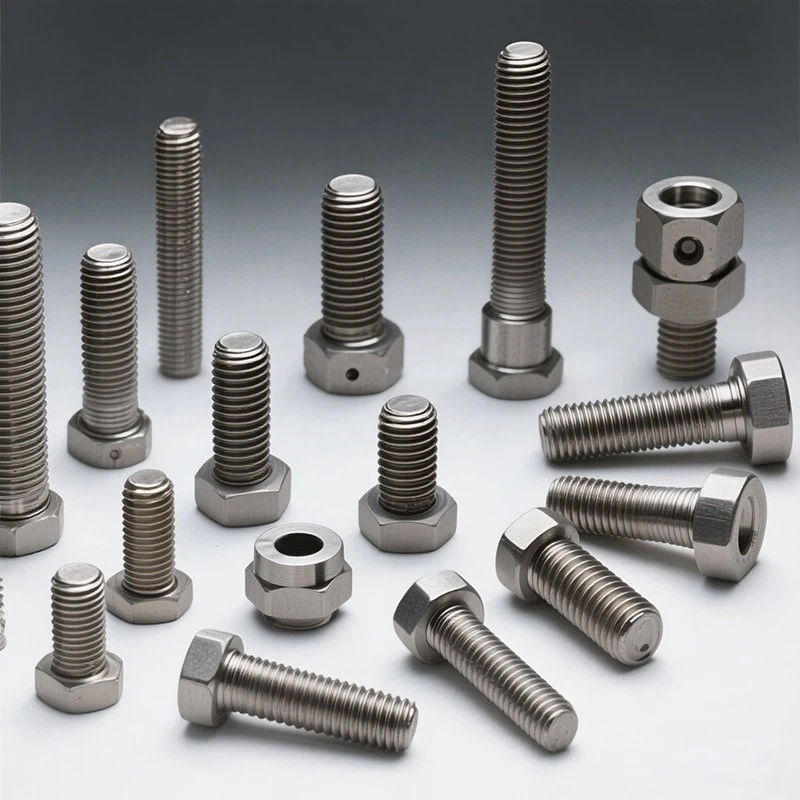
Now, the torque specification for hex bolts and nuts isn't a one - size - fits - all thing. It depends on several factors. One of the most significant factors is the size of the bolt and nut. Generally, larger bolts and nuts require more torque to be tightened properly. For example, a small M6 bolt might need a relatively low torque value, while a large M24 bolt will need a much higher one.
The material of the bolt and nut also plays a big role. Different materials have different strength properties. For instance, a stainless - steel bolt and nut will have different torque requirements compared to a carbon - steel one. Stainless steel is often more corrosion - resistant but might be a bit less strong in some cases, so the torque values need to be adjusted accordingly.
Another factor is the surface finish of the bolt and nut. A bolt with a smooth finish might require a different torque than one with a rough finish. A rough finish can increase the friction between the bolt and the nut, which in turn affects the amount of torque needed to achieve the right clamping force.
Let's talk about how to determine the correct torque specification. There are a few ways to do this. One common method is to refer to industry standards. There are organizations like the American Society of Mechanical Engineers (ASME) and the International Organization for Standardization (ISO) that have published torque charts for different sizes and grades of bolts and nuts. These charts are a great starting point, but it's important to note that they're general guidelines.
You can also use a torque wrench. A torque wrench is a special tool that allows you to apply a specific amount of torque to a bolt or nut. When using a torque wrench, you set it to the desired torque value, and when you reach that value while tightening, the wrench will give you a signal, usually a click. This helps ensure that you're applying the correct amount of force.
Now, let's get into some specific torque values for common sizes of hex bolts and nuts. For a metric M8 bolt made of carbon steel with a grade 8.8 finish, the typical torque value might be around 20 - 25 Nm (Newton - meters). For an M12 carbon - steel grade 8.8 bolt, the torque could be in the range of 50 - 60 Nm. Keep in mind that these are just examples, and you should always double - check with the appropriate standards or consult an engineer if you're working on a critical application.
If you're using Metric Nuts, the torque values will follow similar principles. Metric nuts are designed to work with metric bolts, and the torque requirements are based on the same factors we've discussed.
Some people also use a domed nut, like the ones in our Domed Nut collection. Domed nuts have a rounded top, which can be useful for aesthetic reasons or to protect the end of the bolt. The torque specification for domed nuts is generally similar to that of regular hex nuts of the same size and material.
When it comes to installation, there are a few best practices to keep in mind. First, make sure the surfaces where the bolt and nut will be installed are clean and free of debris. Any dirt or grease can affect the friction and, therefore, the torque required. Second, always tighten the bolts and nuts in a criss - cross pattern if you're using multiple fasteners. This helps distribute the clamping force evenly.
In some cases, you might need to re - check the torque after a period of use. Vibration, temperature changes, and other factors can cause the bolts and nuts to loosen over time. So, it's a good idea to perform regular maintenance checks to ensure everything is still tight and secure.
As a Hex Bolt Nut supplier, I understand that getting the right torque specification is crucial for our customers. That's why we're always here to help. Whether you need advice on which size and grade of bolt and nut to use or what the correct torque values are, we've got you covered.
If you're in the market for high - quality hex bolts and nuts, or if you have any questions about torque specifications or anything related to our products, don't hesitate to reach out. We're happy to have a chat and help you find the perfect solutions for your projects.
In conclusion, understanding the torque specification for hex bolts and nuts is essential for ensuring the safety and reliability of your assemblies. By considering factors like size, material, and surface finish, and using the right tools and techniques, you can get the job done right. So, if you're looking for top - notch hex bolts and nuts and need some guidance on torque, give us a shout.
References
- American Society of Mechanical Engineers (ASME) standards
- International Organization for Standardization (ISO) standards
- Various engineering textbooks on fasteners and mechanical design