

Hey there! As a supplier of hex nuts, I've seen firsthand how these little guys play a huge role in structural frameworks. So, let's dive into what the role of hex nuts is in a structural framework.
The Basics of Hex Nuts
First off, what are hex nuts? Well, they're those six - sided nuts you've probably seen a million times. They're designed to be used with bolts to hold parts together. The hexagonal shape makes them easy to grip with a wrench, which is super important when you're trying to tighten or loosen them.
In a structural framework, you've got all these different components that need to be connected. Whether it's a bridge, a building, or even a piece of machinery, hex nuts are there to keep everything in place. They work in tandem with bolts. You screw the bolt through the parts you want to connect, and then you thread the hex nut onto the bolt. As you tighten the nut, it creates a clamping force that holds the parts firmly together.
Load - Bearing and Stability
One of the most crucial roles of hex nuts in a structural framework is providing load - bearing capacity. When a structure is under stress, like when a bridge has to support the weight of cars or a building has to withstand wind and seismic forces, the hex nuts help distribute the load evenly.
Let's say you're building a steel frame for a skyscraper. The bolts and hex nuts are like the glue that holds the whole thing together. Each hex nut is tightened to a specific torque, which ensures that the joints are strong enough to handle the loads. If the hex nuts aren't tightened properly, the structure could become unstable. For example, if a nut is loose, it can cause the bolt to shift, and over time, this can lead to cracks and even structural failure.
Corrosion Resistance
Another important aspect is corrosion resistance. In many structural applications, the framework is exposed to the elements. Moisture, oxygen, and other environmental factors can cause metal to corrode. That's why many hex nuts are made from materials that are resistant to corrosion, like stainless steel or galvanized steel.
Stainless steel hex nuts are a great choice for outdoor applications because they can withstand rust and corrosion for a long time. Galvanized hex nuts are also popular. They have a zinc coating that provides a protective layer against corrosion. By using corrosion - resistant hex nuts, you can extend the lifespan of the structural framework and reduce the need for maintenance.
Compatibility and Standardization
Hex nuts come in a variety of sizes and thread types. This is important because they need to be compatible with the bolts they're used with. In the world of structural engineering, standardization is key. There are specific standards for hex nuts, such as the ISO (International Organization for Standardization) and ASTM (American Society for Testing and Materials) standards.
These standards ensure that hex nuts from different manufacturers are interchangeable. So, if you're working on a large - scale project, you can be confident that the hex nuts you buy from one supplier will work with the bolts from another. This makes it easier to source the materials you need and ensures that the structural framework is built to a high standard.
Different Types of Hex Nuts
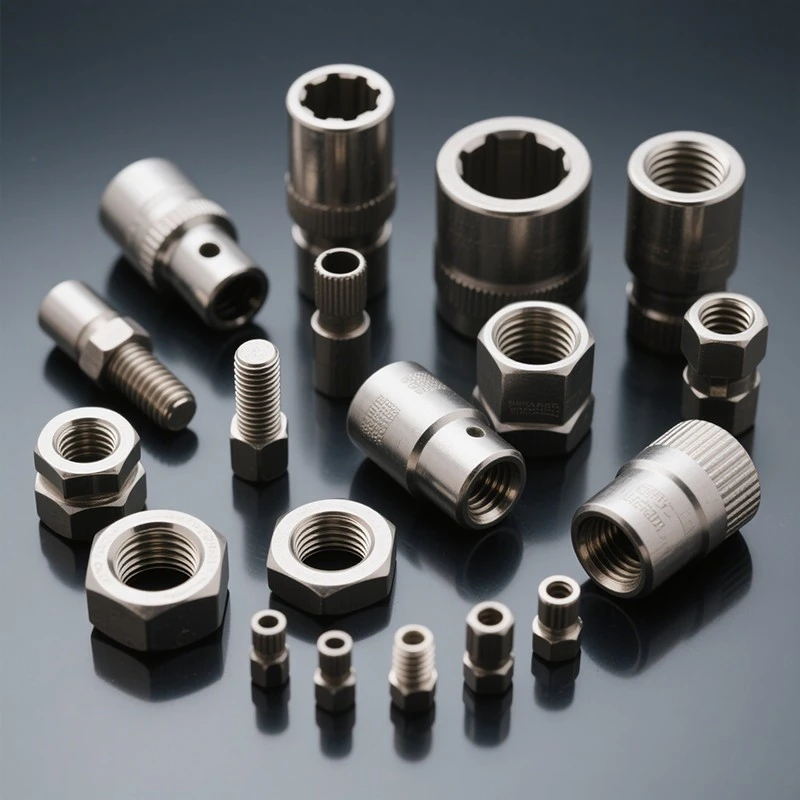
There are several types of hex nuts that can be used in a structural framework. One common type is the Hex Bolt Nut. These are your basic, standard hex nuts that are used in a wide range of applications. They're simple, reliable, and easy to install.
Another type is the Barrel Nut. Barrel nuts are often used in furniture and cabinetry, but they can also be used in some structural applications. They have a cylindrical shape and are designed to be inserted into a pre - drilled hole. They're great for creating a hidden joint, which can be aesthetically pleasing in some structures.
Then there's the Long Hex Nut. As the name suggests, these nuts are longer than standard hex nuts. They're useful when you need a greater clamping force or when you're working with thicker materials. The extra length allows for more threads to engage with the bolt, which increases the strength of the connection.
Installation and Maintenance
Proper installation of hex nuts is crucial for the performance of the structural framework. When installing hex nuts, you need to use the right tools, like a wrench or a socket set. You also need to tighten the nuts to the correct torque. Over - tightening can damage the nut or the bolt, while under - tightening can lead to a loose connection.

Regular maintenance is also important. You should inspect the hex nuts periodically to make sure they're still tight and in good condition. If you notice any signs of corrosion or damage, you should replace the nuts immediately. This can prevent potential problems down the road and ensure the long - term stability of the structure.
Why Choose Our Hex Nuts?
As a hex nut supplier, we take pride in offering high - quality products. Our hex nuts are made from top - notch materials and are manufactured to strict standards. We have a wide range of sizes and types to meet your specific needs. Whether you're working on a small DIY project or a large - scale construction job, we've got the hex nuts you need.
If you're in the market for hex nuts for your structural framework, don't hesitate to reach out. We're here to help you find the right products and provide you with the support you need. Contact us to start a conversation about your hex nut requirements. We're confident that our products will meet your expectations and contribute to the success of your project.
References
- "Structural Steel Design Handbook" by William T. Segui
- "Mechanical Engineering Design" by Joseph E. Shigley and Charles R. Mischke
- ISO and ASTM standards for hex nuts