

As a seasoned supplier of hydraulic adapters, I've witnessed firsthand the critical role these components play in a wide array of industrial applications. One question that frequently arises among our clients is about the heat dissipation capacity of hydraulic adapters. In this blog post, I'll delve into this topic, exploring the factors that influence heat dissipation, the importance of it, and how our products are designed to optimize this crucial function.
Understanding Heat Generation in Hydraulic Systems
Before we can discuss heat dissipation, it's essential to understand how heat is generated in hydraulic systems. Hydraulic systems rely on the flow of fluid to transmit power. As the fluid moves through the system, it encounters resistance from various components, including pipes, valves, and of course, hydraulic adapters. This resistance causes friction, which in turn generates heat.
Additionally, the conversion of mechanical energy to hydraulic energy and vice versa also produces heat. For example, when a hydraulic pump pressurizes the fluid, energy is added to the system, some of which is dissipated as heat. Similarly, when a hydraulic motor converts hydraulic energy back into mechanical energy, heat is generated.
Factors Affecting the Heat Dissipation Capacity of Hydraulic Adapters
Several factors influence the heat dissipation capacity of hydraulic adapters. Let's take a closer look at each of them:
Material
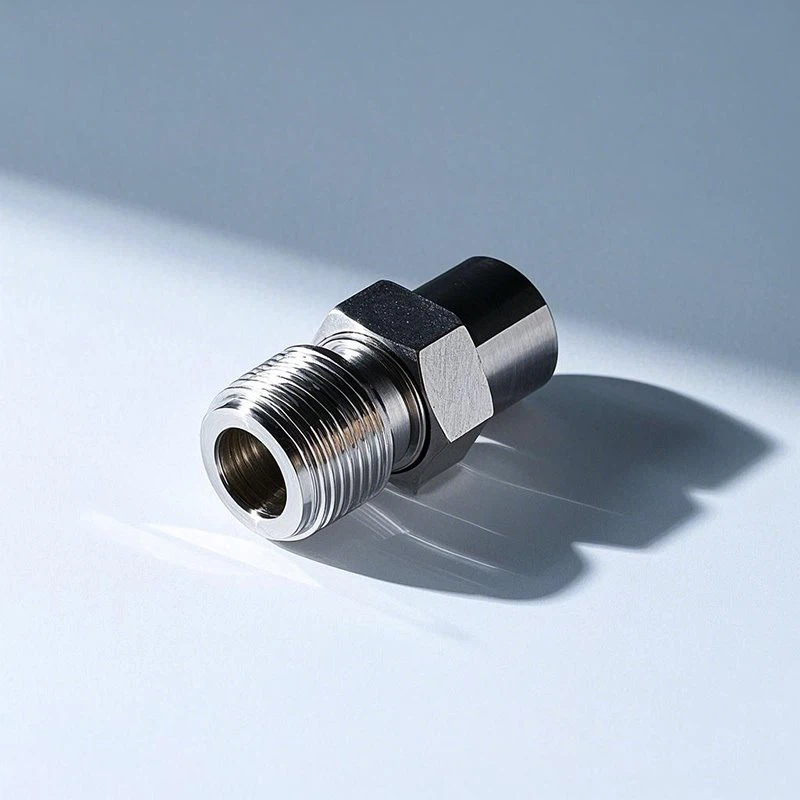
The material of the hydraulic adapter plays a significant role in its heat dissipation capacity. Metals such as aluminum and copper are excellent conductors of heat. Aluminum, in particular, is widely used in hydraulic adapters due to its high thermal conductivity, lightweight, and corrosion resistance. Our Hydraulic Swivel Connector is often made from high - quality aluminum, which allows for efficient heat transfer from the fluid to the surrounding environment.
Surface Area
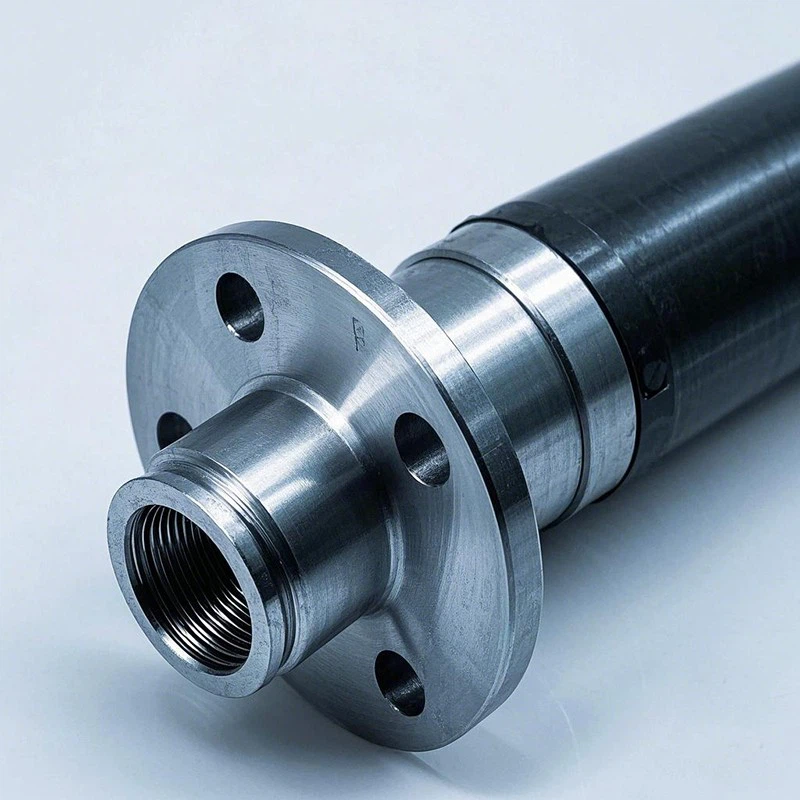
The surface area of the adapter is another crucial factor. A larger surface area provides more space for heat to be transferred from the adapter to the surrounding air or coolant. Adapters with fins or other surface enhancements can significantly increase the surface area, thereby improving heat dissipation. Our Threaded Pipe Flange is designed with a carefully engineered surface structure to maximize the surface area available for heat transfer.
Fluid Flow
The flow rate and velocity of the hydraulic fluid through the adapter also affect heat dissipation. A higher flow rate means more fluid is passing through the adapter per unit time, which can carry more heat away. However, if the flow is too turbulent, it can increase friction and generate more heat. Therefore, it's important to design the adapter to ensure a smooth and efficient fluid flow. Our Metric To JIC Adapter is optimized for fluid flow, balancing the need for heat transfer and minimizing friction.
Surrounding Environment
The temperature and airflow in the surrounding environment can have a significant impact on the heat dissipation capacity of hydraulic adapters. In a well - ventilated area, heat can be more easily dissipated into the air. In contrast, in a confined space with poor airflow, the heat may accumulate, reducing the efficiency of the adapter. In some cases, additional cooling measures such as fans or heat exchangers may be required.
Importance of Heat Dissipation in Hydraulic Adapters
Proper heat dissipation in hydraulic adapters is crucial for several reasons:
Component Longevity
Excessive heat can cause the hydraulic fluid to degrade, leading to the formation of varnish and sludge. These contaminants can clog the adapter and other components in the system, reducing their efficiency and lifespan. By dissipating heat effectively, we can prevent the fluid from overheating and extend the life of the adapter and the entire hydraulic system.
System Efficiency
High temperatures can also reduce the viscosity of the hydraulic fluid, which can lead to leaks and decreased system efficiency. When the adapter dissipates heat properly, the fluid maintains its optimal viscosity, ensuring smooth operation and maximum power transfer within the system.
Safety
Overheating hydraulic systems can pose a safety risk. Excessive heat can cause seals to fail, leading to fluid leaks. In some cases, these leaks can result in fires or other hazards. By ensuring proper heat dissipation, we can enhance the safety of the hydraulic system and the workplace.
Our Approach to Optimizing Heat Dissipation
At our company, we take a comprehensive approach to optimizing the heat dissipation capacity of our hydraulic adapters.
Advanced Design
Our engineering team uses state - of - the - art design tools to create adapters with optimal geometries. We carefully consider factors such as surface area, fluid flow paths, and material selection to ensure maximum heat dissipation. For example, we use computational fluid dynamics (CFD) simulations to analyze the fluid flow and heat transfer within the adapter and make adjustments as needed.
Quality Materials
We source only the highest - quality materials for our adapters. As mentioned earlier, we often use aluminum due to its excellent thermal conductivity. We also ensure that the materials are properly treated and finished to enhance their corrosion resistance and durability.
Rigorous Testing
Before our products are released to the market, they undergo rigorous testing. We use thermal imaging cameras and other advanced testing equipment to measure the heat dissipation performance of the adapters under various operating conditions. This allows us to identify any areas for improvement and ensure that our products meet or exceed industry standards.
Conclusion
The heat dissipation capacity of hydraulic adapters is a critical factor that can significantly impact the performance, longevity, and safety of hydraulic systems. By understanding the factors that influence heat dissipation and taking a proactive approach to optimization, we can provide our customers with high - quality adapters that meet their specific needs.
If you're in the market for hydraulic adapters and are concerned about heat dissipation, we'd love to hear from you. Our team of experts is ready to assist you in selecting the right products for your application. Whether you need a Hydraulic Swivel Connector, a Threaded Pipe Flange, or a Metric To JIC Adapter, we have the expertise and the products to meet your requirements. Contact us today to start a discussion about your hydraulic adapter needs and explore how we can help you optimize your hydraulic system.
References
- "Hydraulic Systems and Components" by John F. Watton
- "Thermal Management in Hydraulic Systems" - Industry white paper