

Hey there! As a hex nut supplier, I've dealt with all sorts of nuts, and one question I get a lot is, "What's the difference between a stainless - steel and a carbon - steel hex nut?" Well, let's dive right in and break it down.
Material Composition
First off, let's talk about what these nuts are made of. Stainless - steel hex nuts are mainly composed of iron, with a significant amount of chromium (usually at least 10.5%). Chromium is what gives stainless steel its corrosion - resistant properties. When it reacts with oxygen in the air, it forms a thin, invisible layer of chromium oxide on the surface. This layer acts as a shield, preventing further oxidation and corrosion. Some stainless - steel alloys may also contain nickel, molybdenum, and other elements to enhance specific properties like strength and resistance to certain chemicals.
On the other hand, carbon - steel hex nuts are primarily made of iron and carbon. The carbon content in carbon steel can vary, but generally, it's between 0.05% and 2.1%. The amount of carbon has a big impact on the properties of the steel. Higher carbon content usually means greater strength and hardness, but it also makes the steel more brittle.
Corrosion Resistance
One of the most significant differences between these two types of hex nuts is their corrosion resistance. Stainless - steel hex nuts are the clear winner here. Thanks to that chromium oxide layer I mentioned earlier, they can withstand exposure to moisture, chemicals, and even saltwater without rusting. This makes them ideal for outdoor applications, marine environments, and any place where the nuts will be exposed to harsh conditions. For example, if you're building a fence near the ocean, stainless - steel hex nuts will last much longer than carbon - steel ones.
Carbon - steel hex nuts, however, are prone to rust. When they come into contact with moisture and oxygen, the iron in the steel reacts to form iron oxide, which we commonly call rust. Rust can weaken the nut over time and eventually cause it to fail. But don't write off carbon - steel nuts just yet. They can still be used in dry, indoor environments where corrosion isn't a big concern. And if you need to use them in a more corrosive setting, you can apply a protective coating like zinc plating to help prevent rust.
Strength and Hardness
In terms of strength and hardness, it depends on the specific grade of each type of steel. Generally, carbon - steel hex nuts can be made stronger and harder than stainless - steel ones. High - carbon steel can have excellent tensile strength, which means it can withstand a lot of pulling force without breaking. This makes carbon - steel nuts a great choice for applications where high strength is required, such as in heavy machinery or structural construction.
Stainless - steel hex nuts, while not as hard as high - carbon steel nuts in most cases, still offer good strength. They are more ductile, which means they can bend and deform without breaking under stress. This property can be an advantage in some applications where a little flexibility is needed.
Cost
Cost is always a factor when choosing between different types of hex nuts. Carbon - steel hex nuts are usually less expensive than stainless - steel ones. The raw materials for carbon steel are more abundant and less costly to produce. Also, the manufacturing process for carbon - steel nuts is generally simpler. So, if you're working on a budget and corrosion isn't a major issue, carbon - steel nuts are a great option.
Stainless - steel hex nuts, on the other hand, are more expensive. The cost of the raw materials, especially the chromium and nickel, is higher. And the manufacturing process for stainless steel is more complex. But when you consider their long - term durability and corrosion resistance, the extra cost can be worth it in the right applications.
Appearance
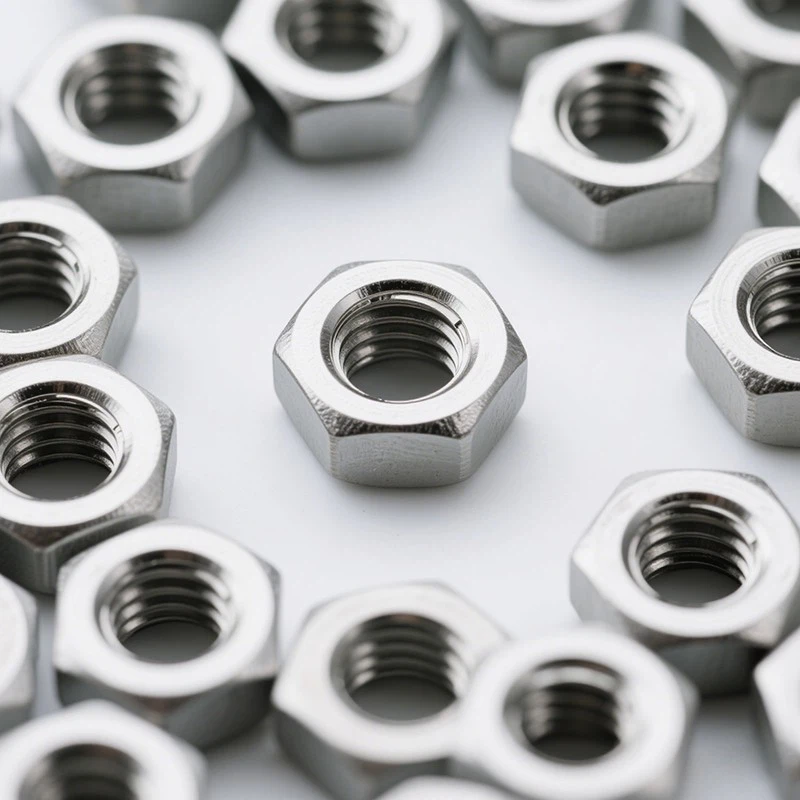
Appearance can also play a role in choosing between stainless - steel and carbon - steel hex nuts. Stainless - steel nuts have a shiny, modern look that can be aesthetically pleasing. They are often used in applications where the nuts are visible, such as in furniture or architectural designs.
Carbon - steel nuts, especially those without a coating, have a more dull, industrial appearance. But if you apply a coating like zinc plating or black oxide, they can look more presentable.
Applications
Let's talk about where these two types of hex nuts are commonly used. Stainless - steel hex nuts are used in a wide range of applications, including:
- Marine and outdoor structures: As I mentioned earlier, their corrosion resistance makes them perfect for boats, docks, and outdoor furniture.
- Food and beverage industry: Since they are resistant to corrosion and can be easily cleaned, they are used in food processing equipment.
- Medical equipment: Their non - corrosive nature and ability to withstand sterilization processes make them suitable for medical devices.
Carbon - steel hex nuts are commonly used in:
- Automotive industry: They are used in engines, transmissions, and other parts where high strength is required.
- Construction: In building structures, bridges, and heavy machinery, carbon - steel nuts provide the necessary strength.
- General machinery: For all sorts of industrial equipment, carbon - steel nuts are a reliable choice.
Other Related Nuts
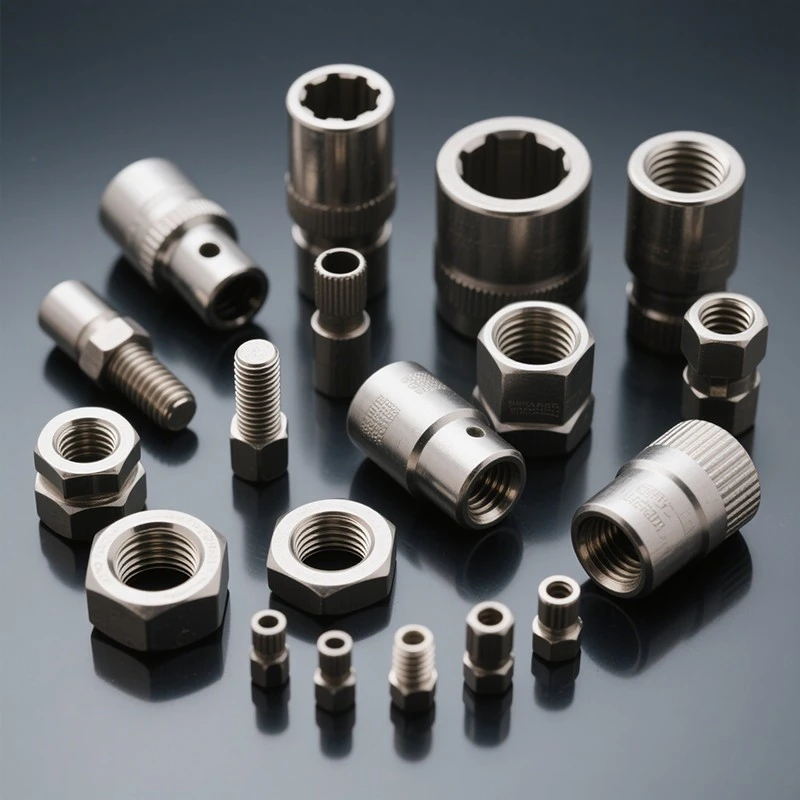
If you're interested in other types of nuts, we also offer Barrel Nut, Capnuts, and Metric Nuts. Each of these has its own unique features and applications. Barrel nuts are often used in furniture assembly, capnuts can provide a finished look and protect the end of a bolt, and metric nuts are used in applications that follow the metric system.
Conclusion
So, there you have it! The main differences between stainless - steel and carbon - steel hex nuts come down to material composition, corrosion resistance, strength, cost, appearance, and applications. When choosing between the two, you need to consider the specific requirements of your project. If corrosion is a major concern, stainless - steel hex nuts are the way to go. But if you need high strength and cost is a factor, carbon - steel nuts might be the better choice.
If you're in the market for hex nuts or any of the other nuts I mentioned, I'd love to have a chat with you about your needs. Whether you're a small - scale DIYer or a large - scale industrial manufacturer, we can provide the right nuts for your project. Reach out to me, and let's start a conversation about your nut requirements.
References
- "The Properties and Applications of Stainless Steel" by Stainless Steel World
- "Carbon Steel: Composition, Properties, and Uses" by The Balance Small Business