

As a seasoned supplier of hex bolts and nuts, I often encounter customers who are confused about the differences between regular and high - strength hex bolts and nuts. Understanding these differences is crucial for making the right choice in various applications, whether it's for construction, automotive, or industrial machinery. In this blog, I'll break down the key distinctions and help you understand when to use each type.
Material Composition
One of the most fundamental differences between regular and high - strength hex bolts and nuts lies in their material composition. Regular hex bolts and nuts are typically made from mild steel. Mild steel is a common and cost - effective material that contains a relatively low amount of carbon, usually less than 0.3%. This makes it easy to machine and form, but it also means that it has lower strength compared to other materials.
On the other hand, high - strength hex bolts and nuts are made from alloy steels. Alloy steels are created by adding various elements such as chromium, nickel, molybdenum, and vanadium to the steel. These alloying elements significantly enhance the mechanical properties of the steel, including its strength, hardness, and toughness. For example, a high - strength bolt made from 4140 alloy steel can have a much higher tensile strength than a regular mild - steel bolt.
Strength and Tensile Capacity
The strength of a bolt and nut is measured by its tensile strength, which is the maximum amount of pulling force it can withstand before breaking. Regular hex bolts generally have a lower tensile strength, typically in the range of 40,000 to 70,000 pounds per square inch (psi). This makes them suitable for light - to medium - duty applications where the loads are not extremely high. For instance, they can be used in furniture assembly, general household repairs, or non - critical structural connections.
High - strength hex bolts, however, are designed to handle much higher loads. Their tensile strength can range from 100,000 to over 200,000 psi, depending on the specific alloy and heat - treatment process. This high strength makes them ideal for heavy - duty applications such as bridge construction, high - rise buildings, and large - scale industrial machinery. In these applications, the bolts and nuts need to withstand significant forces without failing, and high - strength fasteners provide the necessary reliability.
Hardness
Hardness is another important factor that differentiates regular and high - strength hex bolts and nuts. Regular mild - steel bolts and nuts have a relatively low hardness, which means they are more prone to deformation and wear. This can be a problem in applications where the fasteners are subject to vibration, friction, or repeated loading.
High - strength bolts and nuts, due to their alloy composition and heat - treatment, have a much higher hardness. Heat treatment processes such as quenching and tempering can significantly increase the hardness of the alloy steel, making it more resistant to wear, deformation, and fatigue. This increased hardness ensures that the fasteners maintain their integrity over time, even in harsh operating conditions.
Heat Treatment
Heat treatment plays a vital role in the performance of both regular and high - strength hex bolts and nuts. Regular mild - steel fasteners may undergo a simple heat - treatment process, such as normalizing, which helps to relieve internal stresses and improve the material's uniformity. However, this process does not significantly enhance the strength or hardness of the fasteners.
High - strength hex bolts and nuts, on the other hand, require more complex heat - treatment processes. Quenching, which involves rapidly cooling the heated fasteners in a liquid medium, followed by tempering, which involves reheating the fasteners to a lower temperature, is a common heat - treatment method for high - strength fasteners. These processes transform the microstructure of the alloy steel, resulting in improved strength, hardness, and toughness.
Surface Finish
The surface finish of hex bolts and nuts can also vary between regular and high - strength types. Regular hex bolts and nuts often have a basic finish, such as a plain or zinc - plated finish. Zinc plating provides some protection against corrosion, but it may not be sufficient for long - term use in harsh environments.
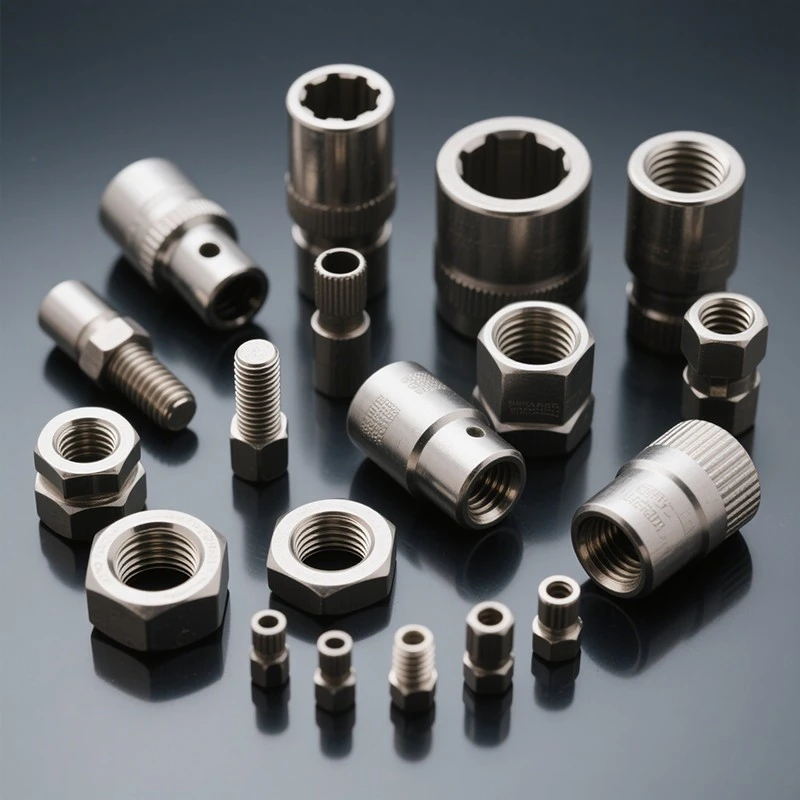
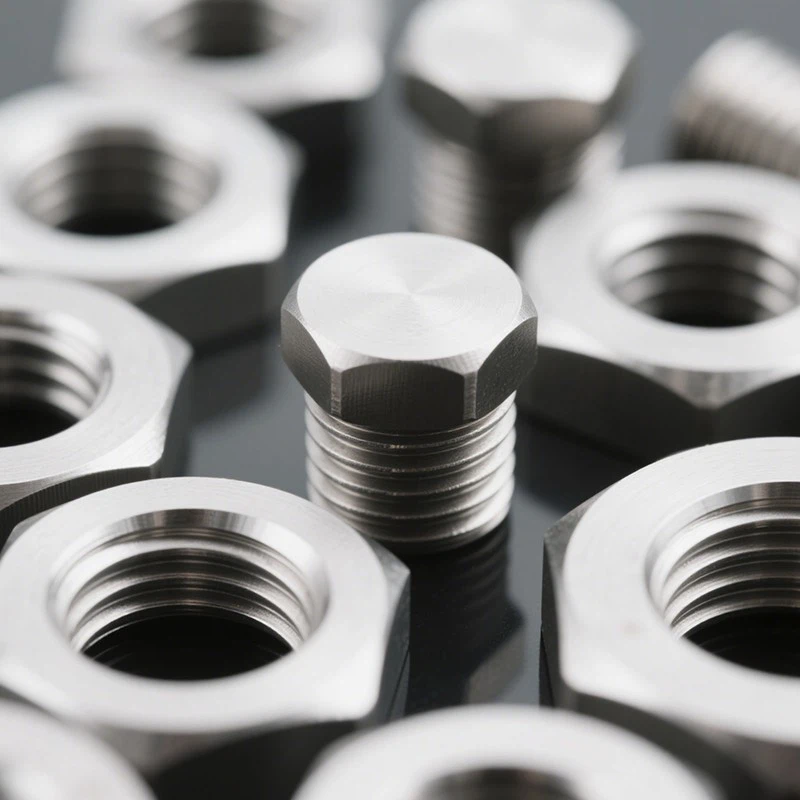
High - strength hex bolts and nuts may have more advanced surface finishes to enhance their corrosion resistance and durability. For example, they can be coated with a layer of hot - dipped galvanizing, which provides a thick and durable protective layer. Other surface treatments, such as epoxy coatings or mechanical plating, can also be used to improve the fasteners' resistance to corrosion, abrasion, and chemical attack.
Applications
The choice between regular and high - strength hex bolts and nuts depends largely on the specific application. Regular hex bolts and nuts are commonly used in applications where the loads are relatively light and the environmental conditions are not too severe. Some examples include:
- Furniture Assembly: Regular bolts and nuts are often used to assemble wooden or metal furniture. They provide a simple and cost - effective way to join different parts together.
- General Repairs: In household or small - scale industrial repairs, regular fasteners can be used to fix loose parts or replace worn - out bolts.
- Non - Critical Structural Connections: In some non - load - bearing or lightly loaded structural connections, regular hex bolts and nuts can be sufficient.
High - strength hex bolts and nuts are essential for applications where safety and reliability are of utmost importance. Some common applications include:
- Construction: In building construction, high - strength fasteners are used to connect steel beams, columns, and other structural components. They ensure the stability and integrity of the entire structure.
- Automotive Industry: High - strength bolts and nuts are used in engines, transmissions, and suspension systems to withstand the high forces and vibrations generated during vehicle operation.
- Heavy Machinery: Industrial machinery, such as cranes, excavators, and presses, rely on high - strength fasteners to hold their components together under heavy loads.
Cost Considerations
Cost is an important factor when choosing between regular and high - strength hex bolts and nuts. Regular hex bolts and nuts are generally more affordable due to their simpler material composition and manufacturing process. This makes them a popular choice for applications where cost is a major concern and the performance requirements are not too high.
High - strength hex bolts and nuts, on the other hand, are more expensive. The use of alloy steels, complex heat - treatment processes, and advanced surface finishes all contribute to the higher cost. However, in applications where the performance and reliability of the fasteners are critical, the additional cost is often justified by the increased safety and durability.
Related Products
When it comes to hex bolts and nuts, there are also related products that you might find useful. For example, Hexagon Cap Nut is a type of nut that has a hexagonal shape with a domed top. It is often used to provide a finished look and additional protection for the bolt end. Another related product is the Hex Head Barrel Nut, which has a hexagonal head and a barrel - shaped body. It is commonly used in applications where a flush or concealed connection is required. And the Barrel Nut is a simple yet versatile fastener that can be used in various wood - to - wood or wood - to - metal connections.
Conclusion
In conclusion, the differences between regular and high - strength hex bolts and nuts are significant and can have a major impact on the performance and safety of your applications. Regular hex bolts and nuts are suitable for light - to medium - duty applications where cost is a concern, while high - strength hex bolts and nuts are essential for heavy - duty applications where high loads and harsh conditions are involved.
If you're in the process of selecting hex bolts and nuts for your project, I encourage you to carefully consider the specific requirements of your application. If you have any questions or need further assistance in choosing the right fasteners, feel free to reach out to us. We have a wide range of regular and high - strength hex bolts and nuts in stock, and our team of experts is ready to help you make the best choice for your needs. Contact us today to start the procurement and negotiation process, and let us help you find the perfect fasteners for your project.
References
- ASME B18.2.1 - 2017, “Square and Hex Bolts and Screws (Inch Series)”
- ASTM A325 - 19, “Standard Specification for Structural Bolts, Steel, Heat Treated, 120/105 ksi Minimum Tensile Strength”
- Machinery's Handbook, 31st Edition, Industrial Press Inc.