

When it comes to the world of industrial piping systems, welded flanges play a crucial role in ensuring the integrity and efficiency of fluid and gas transportation. As a seasoned welded flange supplier, I've encountered numerous inquiries about the differences between high - pressure welded flanges and low - pressure welded flanges. In this blog, I'll delve into the key distinctions to help you make informed decisions for your projects.
Design and Structure
One of the most apparent differences between high - pressure and low - pressure welded flanges lies in their design and structure. High - pressure welded flanges are engineered to withstand extreme pressure conditions. They typically have a thicker wall and a more robust design compared to their low - pressure counterparts. The increased thickness provides additional strength and stability, preventing the flange from deforming or failing under high - pressure situations.
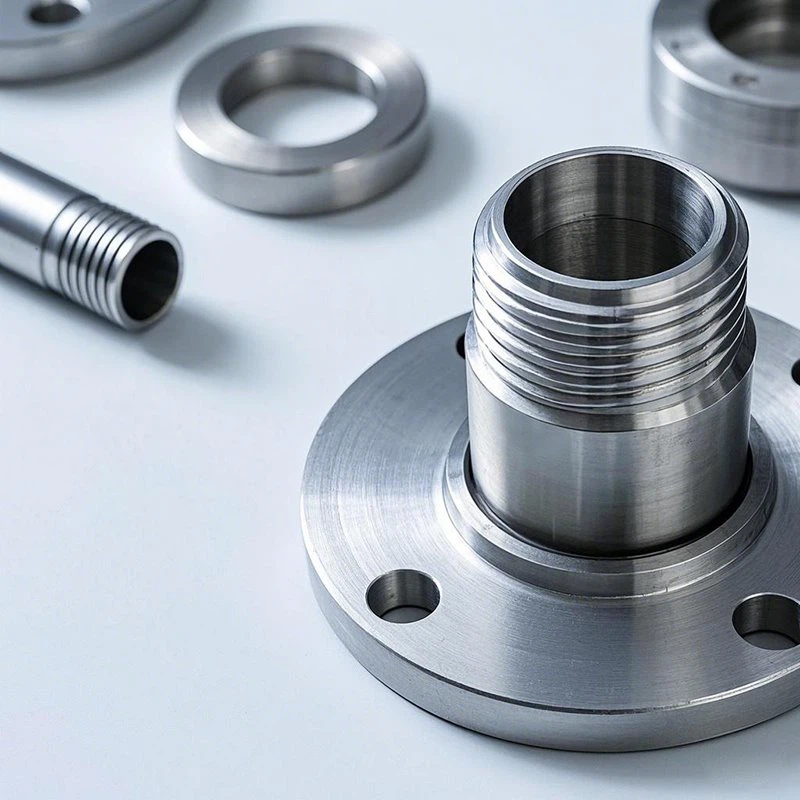
For instance, a Weld Neck Blind Flange used in high - pressure applications is designed with a long tapered hub that gradually transitions from the flange to the pipe. This design helps to distribute stress evenly along the length of the hub, reducing the likelihood of stress concentration points that could lead to failure. In contrast, low - pressure welded flanges may have a simpler design with a shorter hub or no hub at all, as they do not need to withstand the same level of pressure.
Another aspect of design is the bolt hole pattern. High - pressure flanges usually have more bolt holes and larger diameter bolts to ensure a tight seal. The increased number of bolts helps to distribute the clamping force evenly around the flange, preventing leaks under high pressure. Low - pressure flanges, on the other hand, may have fewer bolt holes and smaller bolts, as the sealing requirements are less stringent.
Material Selection
The choice of materials is another critical factor that differentiates high - pressure and low - pressure welded flanges. High - pressure flanges are often made from high - strength materials such as carbon steel, alloy steel, or stainless steel. These materials have excellent mechanical properties, including high tensile strength, yield strength, and toughness, which are essential for withstanding high pressure.
For example, in applications where the pressure exceeds 1000 psi, carbon steel or alloy steel flanges are commonly used. These materials can withstand the high stress and temperature conditions associated with high - pressure systems. Stainless steel flanges are also popular in high - pressure applications, especially in corrosive environments, due to their excellent corrosion resistance.
In contrast, low - pressure welded flanges can be made from a wider range of materials, including mild steel, cast iron, or even plastic in some cases. Mild steel is a cost - effective option for low - pressure applications where the pressure is relatively low and corrosion is not a major concern. Cast iron flanges are known for their durability and are often used in water and sewage systems. Plastic flanges, such as PVC or CPVC, are lightweight and corrosion - resistant, making them suitable for low - pressure applications in the chemical and water treatment industries.
Manufacturing Process
The manufacturing process for high - pressure and low - pressure welded flanges also differs significantly. High - pressure flanges require more precise manufacturing techniques to ensure their quality and performance. They are typically forged or machined from solid billets of steel to achieve the desired strength and dimensional accuracy.
Forging is a process that involves shaping the metal by applying compressive forces. This process helps to align the grain structure of the metal, improving its mechanical properties. Machining is then used to finish the flange to the required dimensions and surface finish. High - pressure flanges also undergo rigorous quality control inspections, including non - destructive testing such as ultrasonic testing, magnetic particle testing, and radiographic testing, to detect any internal defects.
Low - pressure flanges, on the other hand, can be manufactured using less expensive processes such as casting or plate cutting. Casting involves pouring molten metal into a mold to form the flange shape. This process is suitable for producing flanges with complex shapes and is relatively inexpensive. Plate cutting involves cutting the flange from a flat plate of steel using a cutting machine. This process is simple and cost - effective for producing flanges with standard shapes and sizes.
Application Scenarios
The application scenarios for high - pressure and low - pressure welded flanges vary widely. High - pressure flanges are commonly used in industries such as oil and gas, petrochemical, power generation, and aerospace, where the pressure and temperature conditions are extreme. In the oil and gas industry, for example, high - pressure flanges are used in pipelines, refineries, and offshore platforms to transport and process crude oil and natural gas.

In power generation plants, high - pressure flanges are used in steam turbines, boilers, and heat exchangers to ensure the safe and efficient operation of the power generation process. The aerospace industry also relies on high - pressure flanges for aircraft engines and hydraulic systems, where the reliability and performance of the flanges are critical for the safety of the aircraft.
Low - pressure welded flanges are used in a variety of applications where the pressure is relatively low. These include water and sewage systems, HVAC systems, and general industrial piping systems. In water and sewage systems, low - pressure flanges are used to connect pipes and valves, ensuring the smooth flow of water and wastewater. HVAC systems use low - pressure flanges to connect air ducts and pipes, maintaining the proper ventilation and temperature control in buildings.
Cost Considerations
Cost is an important factor to consider when choosing between high - pressure and low - pressure welded flanges. High - pressure flanges are generally more expensive than low - pressure flanges due to their more complex design, higher - quality materials, and more precise manufacturing processes. The cost of high - pressure flanges also includes the cost of quality control inspections and testing, which are necessary to ensure their safety and performance.
Low - pressure flanges, on the other hand, are more cost - effective due to their simpler design and less expensive manufacturing processes. They are a suitable option for applications where the pressure requirements are low and cost is a major concern. However, it's important to note that choosing a low - cost flange that does not meet the required pressure and quality standards can lead to costly repairs and downtime in the long run.
Conclusion
In summary, the differences between high - pressure and low - pressure welded flanges are significant in terms of design, material selection, manufacturing process, application scenarios, and cost. As a welded flange supplier, I understand the importance of providing the right flange for your specific application. Whether you need a Stainless Steel Socket Weld Flange for a high - pressure chemical processing plant or a Flange with Orifice Welding Neck for a low - pressure water system, I can offer a wide range of high - quality welded flanges to meet your needs.
If you're unsure which type of welded flange is suitable for your project, I encourage you to contact me for professional advice. I'll be happy to discuss your requirements in detail and help you select the best flange solution for your application. By choosing the right flange, you can ensure the safety, reliability, and efficiency of your piping system.
References
- ASME B16.5 - Pipe Flanges and Flanged Fittings
- API 6A - Specification for Wellhead and Christmas Tree Equipment
- ASTM A105/A105M - Standard Specification for Carbon Steel Forgings for Piping Applications