

In the world of fasteners, hex nut screws and bolts are two of the most commonly used components, yet they often cause confusion due to their similar appearances. As a supplier of hex nut screws, I'm here to shed light on the differences between these two types of fasteners, helping you make informed decisions for your projects.
Physical Appearance and Design
At first glance, hex nut screws and bolts may seem nearly identical, both featuring a hexagonal head and a threaded shaft. However, a closer look reveals distinct differences in their design.
Hex nut screws typically have a fully threaded shaft, meaning the threads extend all the way from the head to the tip. This design allows for greater flexibility in terms of where the screw can be inserted and tightened. The head of a hex nut screw is usually flat or slightly domed, and it is designed to be driven into a pre - drilled hole in a material, often using a wrench or a screwdriver.
On the other hand, bolts have a partially threaded shaft. The non - threaded portion, known as the shank, is smooth and provides a precise fit within a hole. Bolts are generally used in conjunction with a nut. The head of a bolt is often larger and more robust, designed to withstand higher levels of torque when tightened.
Function and Application
The differences in design between hex nut screws and bolts also lead to different functions and applications.
Hex nut screws are commonly used when you need to fasten two or more materials together directly. For example, in woodworking projects, hex nut screws can be used to attach wooden boards to each other. They are also widely used in electronics and small - scale machinery, where a relatively small and precise fastening solution is required. The fully threaded shaft allows for a secure grip within the material, preventing the screw from loosening over time.
Bolts, on the other hand, are often used in applications where a high level of strength and reliability is required. In construction, bolts are used to connect structural components such as steel beams and columns. They are also commonly used in automotive and aerospace industries, where the integrity of the fastening is crucial for safety. The combination of a bolt and a nut provides a strong and adjustable connection that can be easily disassembled for maintenance or repair.
Installation Process
The installation process for hex nut screws and bolts also differs significantly.
Installing a hex nut screw typically involves drilling a pilot hole in the material to prevent splitting. The screw is then inserted into the hole and tightened using a wrench or a screwdriver. Since the screw has a fully threaded shaft, it can be tightened directly into the material without the need for an additional nut.
For bolts, the process is a bit more involved. First, a hole must be drilled through the materials to be joined. The bolt is then inserted through the hole, and a nut is threaded onto the end of the bolt. The nut is tightened using a wrench, applying a specific amount of torque to ensure a proper and secure connection. This process allows for greater control over the tightness of the joint.
Strength and Load - Bearing Capacity
When it comes to strength and load - bearing capacity, bolts generally have an advantage over hex nut screws.
Bolts are designed to handle higher levels of tension and shear forces. The combination of a bolt and a nut distributes the load more evenly across the joint, making it suitable for heavy - duty applications. In contrast, hex nut screws are better suited for lighter loads. The fully threaded shaft of a hex nut screw may not provide the same level of strength as a bolt, especially in applications where the joint is subjected to significant stress.
Material and Finish
Both hex nut screws and bolts are available in a variety of materials and finishes to suit different applications.
Common materials for hex nut screws include steel, stainless steel, and brass. Steel hex nut screws are strong and affordable, making them a popular choice for general - purpose applications. Stainless steel hex nut screws offer excellent corrosion resistance, making them ideal for outdoor or marine applications. Brass hex nut screws are often used in decorative applications due to their attractive appearance.
Bolts are also available in similar materials, but they are more likely to be made from high - strength steel for heavy - duty applications. The finish of a bolt or a hex nut screw can also affect its performance. For example, a zinc - plated finish provides some corrosion resistance, while a black oxide finish can improve the appearance and provide a degree of lubricity.
Cost Considerations
Cost is an important factor when choosing between hex nut screws and bolts.
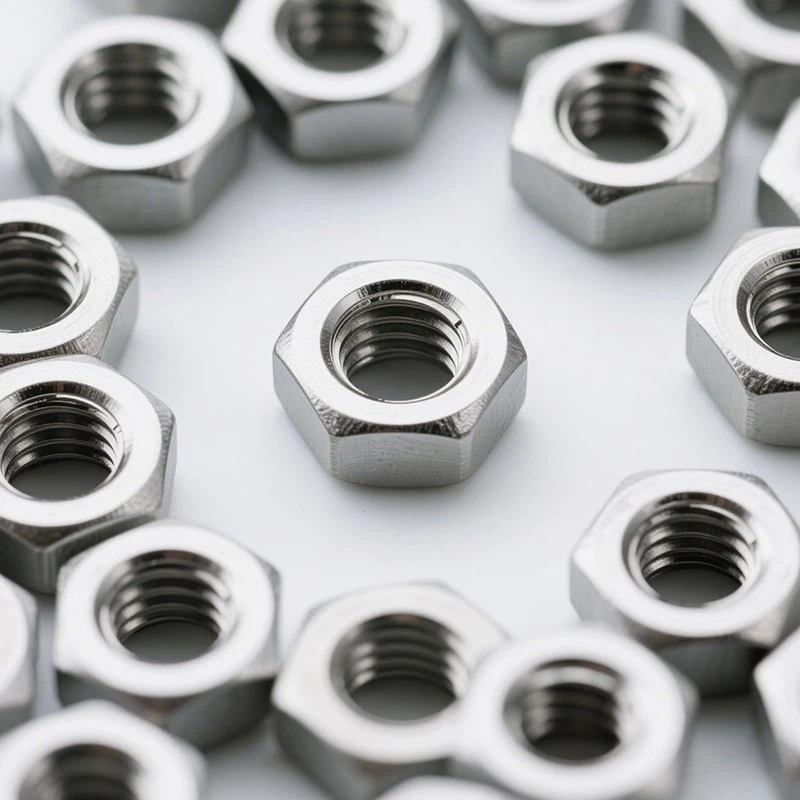

Hex nut screws are generally less expensive than bolts. This is because they are simpler in design and require less material. For small - scale projects or applications where cost is a major concern, hex nut screws may be the more economical choice.
Bolts, on the other hand, are more expensive due to their more complex design and higher strength requirements. However, in applications where the reliability and strength of the fastening are crucial, the additional cost of bolts is often justified.
Conclusion
In conclusion, while hex nut screws and bolts may look similar, they have distinct differences in design, function, installation, strength, and cost. As a supplier of hex nut screws, I understand the importance of choosing the right fastener for your project. Whether you need a simple and affordable solution for a small - scale project or a high - strength fastening for a heavy - duty application, I can provide you with the right hex nut screws to meet your needs.
If you are interested in purchasing hex nut screws or have any questions about our products, please feel free to contact us for a detailed discussion. We are committed to providing high - quality products and excellent customer service.
References
- "Fasteners Handbook", McGraw - Hill
- "Mechanical Engineering Design", Robert C. Juvinall and Kurt M. Marshek