

As a supplier of Weld Neck Blind Flanges, I am often asked about the various customization options available for these essential components in piping systems. Weld Neck Blind Flanges are used to close the end of a pipe, providing a reliable seal and preventing the flow of fluids. They are commonly found in various industries, including oil and gas, chemical processing, and power generation. In this blog post, I will explore the different customization options for Weld Neck Blind Flanges, highlighting how these options can meet the specific needs of different applications.
Material Selection
One of the primary customization options for Weld Neck Blind Flanges is the choice of material. The material used for a flange can significantly impact its performance, durability, and resistance to corrosion. Common materials for Weld Neck Blind Flanges include:
- Carbon Steel: Carbon steel is a popular choice for its strength, affordability, and wide availability. It is suitable for a variety of applications, including general industrial use and low-pressure systems.
- Stainless Steel: Stainless steel offers excellent corrosion resistance, making it ideal for applications in harsh environments, such as chemical processing plants and offshore platforms. It is also resistant to high temperatures and pressures.
- Alloy Steel: Alloy steel combines the strength of carbon steel with the corrosion resistance of other metals, such as chromium and nickel. It is commonly used in high-pressure and high-temperature applications.
- Duplex Stainless Steel: Duplex stainless steel has a high strength-to-weight ratio and excellent corrosion resistance. It is often used in applications where both strength and corrosion resistance are required, such as in the oil and gas industry.
Size and Dimensions
Weld Neck Blind Flanges come in a variety of sizes and dimensions to fit different pipe sizes and system requirements. The size of a flange is typically determined by the nominal pipe size (NPS) and the pressure rating. Customization options for size and dimensions include:
- Nominal Pipe Size (NPS): Flanges are available in a range of NPS sizes, from 1/2 inch to 48 inches or larger. The NPS size determines the inner diameter of the flange and the corresponding pipe size it can be connected to.
- Pressure Rating: Flanges are rated for different pressure levels, such as 150, 300, 600, 900, 1500, and 2500 pounds per square inch (psi). The pressure rating of a flange should match the pressure requirements of the piping system.
- Thickness: The thickness of a Weld Neck Blind Flange can be customized to meet specific strength and durability requirements. Thicker flanges are typically used in high-pressure applications.
- Bolt Hole Pattern: The bolt hole pattern of a flange determines how it is connected to other components in the piping system. Custom bolt hole patterns can be designed to fit specific installation requirements.
Face Type
The face type of a Weld Neck Blind Flange refers to the shape and finish of the flange's sealing surface. Different face types are suitable for different applications and sealing requirements. Common face types include:
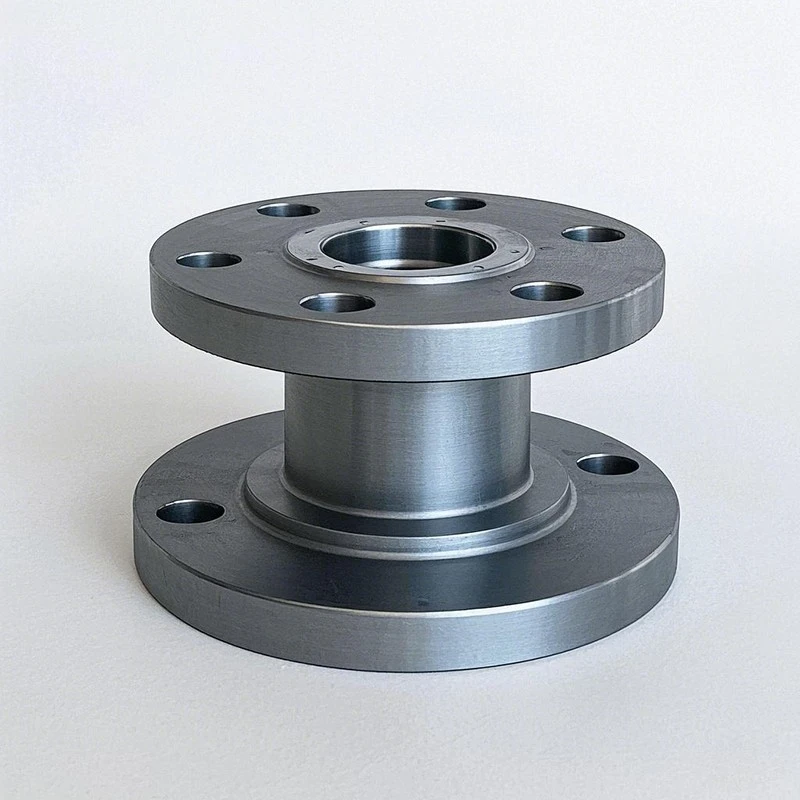

- Raised Face (RF): A raised face flange has a raised surface around the bolt holes, which provides a better seal when gasketed. It is the most common face type for Weld Neck Blind Flanges and is suitable for a wide range of applications.
- Flat Face (FF): A flat face flange has a flat sealing surface with no raised area. It is typically used in low-pressure applications or where a flat gasket is required. You can learn more about Flat Face Weld Neck Flange.
- Ring Joint Face (RTJ): A ring joint face flange has a groove machined into the sealing surface to accommodate a metal ring gasket. It is used in high-pressure and high-temperature applications where a tight seal is required.
Weld Neck Design
The weld neck design of a Weld Neck Blind Flange is another important customization option. The weld neck provides a smooth transition between the flange and the pipe, reducing stress concentrations and improving the overall strength of the connection. Customization options for weld neck design include:
- Long Weld Neck: A long weld neck flange has a longer neck section, which provides additional strength and flexibility. It is commonly used in applications where the flange is subjected to high stresses or vibrations. You can find more information about Long Weld Neck Flange.
- Flange with Orifice Welding Neck: A flange with an orifice welding neck is designed to incorporate an orifice plate, which is used to measure the flow rate of fluids in a piping system. This type of flange is commonly used in the oil and gas industry. For more details, visit Flange with Orifice Welding Neck.
Coating and Finishing
Coating and finishing options can enhance the corrosion resistance and appearance of Weld Neck Blind Flanges. Common coating and finishing options include:
- Paint: Painting the flange can provide a protective barrier against corrosion and improve its appearance. Different types of paint can be used depending on the application and environmental conditions.
- Galvanizing: Galvanizing involves coating the flange with a layer of zinc to protect it from corrosion. It is a cost-effective and widely used method for protecting steel flanges.
- Powder Coating: Powder coating is a process in which a dry powder is applied to the flange and then cured to form a durable and protective finish. It offers excellent corrosion resistance and a wide range of color options.
Special Requirements
In addition to the standard customization options, we can also accommodate special requirements for Weld Neck Blind Flanges. These may include:
- Non-standard Sizes and Dimensions: We can manufacture flanges in non-standard sizes and dimensions to meet specific project requirements.
- Special Materials: If you require a flange made from a specific material, such as a high-alloy steel or a non-metallic material, we can source and manufacture it for you.
- Customized Markings and Labels: We can add customized markings and labels to the flanges to provide important information, such as the size, pressure rating, and material.
Conclusion
As a supplier of Weld Neck Blind Flanges, we understand the importance of providing customized solutions to meet the specific needs of our customers. By offering a wide range of customization options, including material selection, size and dimensions, face type, weld neck design, coating and finishing, and special requirements, we can ensure that our flanges meet the highest standards of quality and performance.
If you are in need of Weld Neck Blind Flanges or have any questions about our customization options, please feel free to contact us. Our team of experts is ready to assist you in selecting the right flange for your application and providing you with a competitive quote. We look forward to working with you to meet your piping system needs.
References
- ASME B16.5 - Pipe Flanges and Flanged Fittings
- ASTM Standards for Flange Materials
- API Standards for Flanges in the Oil and Gas Industry