

Hey there! As a supplier of Threaded Pipe Flanges, I often get asked about the cost comparison between different types of pipe flanges and threaded pipe flanges. So, I thought I'd share some insights on this topic.
First off, let's talk about what pipe flanges are. Pipe flanges are used to connect pipes, valves, pumps, and other equipment to form a piping system. They provide a way to make a leak-tight joint and allow for easy disassembly and maintenance. There are several types of pipe flanges available in the market, each with its own unique features and cost implications.
One of the most common types of pipe flanges is the welded flange. Welded flanges are permanently attached to the pipe by welding. They offer a high level of strength and reliability, making them suitable for high-pressure and high-temperature applications. However, the installation process of welded flanges is more complex and time-consuming, which can drive up the overall cost. You need skilled welders and proper welding equipment, and there are also inspection and testing requirements to ensure the quality of the weld.
Another popular type is the slip-on flange. Slip-on flanges are slipped over the end of the pipe and then welded in place. They are easier to install compared to welded flanges because the alignment is relatively straightforward. Slip-on flanges are generally less expensive than welded flanges in terms of the flange itself, but you still have the cost of welding and associated labor.
Now, let's focus on threaded pipe flanges. Threaded Pipe Flange are designed with threads on the inside bore that match the threads on the pipe. This allows for a quick and easy installation without the need for welding. You simply screw the flange onto the pipe. This ease of installation can save a significant amount of time and labor costs, especially in projects where a large number of flanges need to be installed.
In terms of the material cost, the price of different types of flanges can vary depending on the material used. Common materials for pipe flanges include carbon steel, stainless steel, and alloy steel. Carbon steel flanges are usually the most affordable option, while stainless steel and alloy steel flanges are more expensive due to the higher cost of the raw materials and their enhanced corrosion resistance and other properties.
When comparing the cost of threaded pipe flanges with other types, we also need to consider the long - term costs. For example, welded flanges, although they have a strong and permanent connection, may require more maintenance over time. If there is a problem with the weld, it can be difficult and costly to repair. On the other hand, threaded pipe flanges can be easily removed and replaced if there is an issue, which can save on maintenance costs in the long run.
Let's take a look at some real - world scenarios. In a small - scale plumbing project for a residential building, where the pressure and temperature requirements are relatively low, threaded pipe flanges can be a great choice. The ease of installation means that a non - professional can handle the job, reducing labor costs. And since the project is small, the cost of the flanges themselves won't break the bank.
In an industrial setting, such as a chemical plant or an oil refinery, the choice between different types of flanges becomes more complex. High - pressure and high - temperature applications may require welded flanges for their superior strength. However, in areas where the pipes need to be frequently disassembled for maintenance or modification, threaded pipe flanges can offer a cost - effective solution.
Now, let's talk about some related products. Adapter Hydraulic Hose Fittings are often used in conjunction with pipe flanges in hydraulic systems. These fittings allow for the connection of different types of hoses and pipes, and they come in various sizes and configurations. The cost of adapter hydraulic hose fittings can vary depending on the material, size, and the complexity of the design.
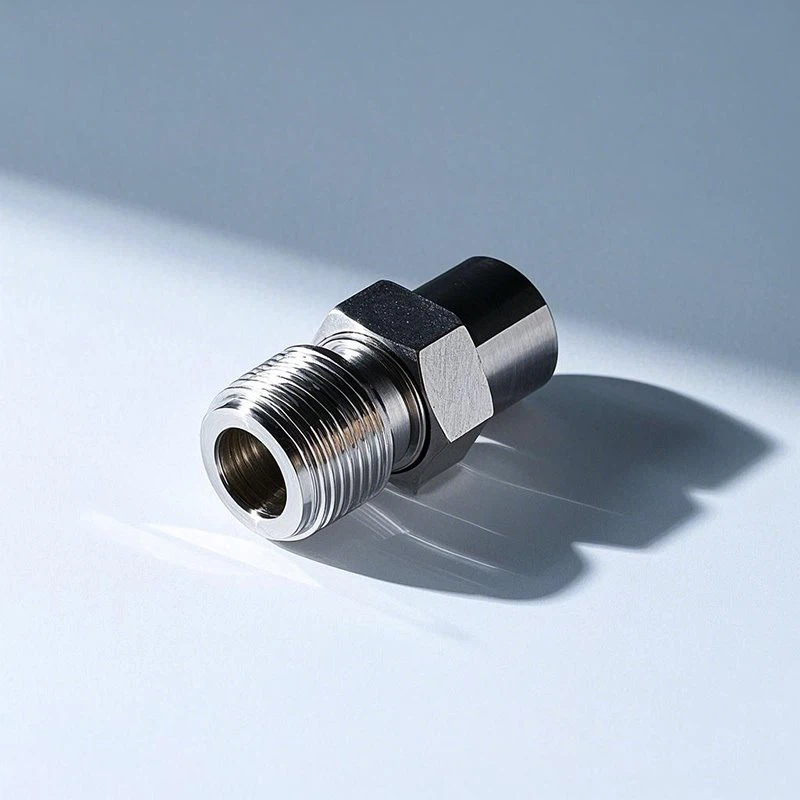
Hydraulic Swivel Connector are another important component in hydraulic systems. They allow for the rotation of the hose or pipe while maintaining a fluid - tight connection. Similar to other components, the cost of hydraulic swivel connectors is influenced by factors such as material, size, and the quality of the manufacturing.
If you're in the market for pipe flanges or related products, it's important to do a detailed cost analysis. Consider not only the upfront cost of the flanges but also the installation costs, maintenance costs, and the long - term performance. As a supplier of threaded pipe flanges, I can offer you high - quality products at competitive prices. Our threaded pipe flanges are made from top - grade materials and are manufactured to meet industry standards.
Whether you're working on a small DIY project or a large - scale industrial project, I'm here to help you make the right choice. If you have any questions about the cost comparison, the suitability of different types of flanges for your project, or if you're interested in getting a quote for threaded pipe flanges, don't hesitate to reach out. I'd be more than happy to discuss your needs and provide you with the best solutions.
In conclusion, when comparing the cost of different types of pipe flanges and threaded pipe flanges, it's a multi - faceted decision. You need to weigh the upfront costs, installation costs, maintenance costs, and the specific requirements of your project. Threaded pipe flanges offer a lot of advantages in terms of ease of installation and potential long - term savings, but the final choice depends on your unique situation. So, if you're looking for a reliable and cost - effective solution for your piping needs, give threaded pipe flanges a serious consideration.
References:

- "Pipe Flanges and Flanged Fittings: Design, Manufacturing, and Testing" by various industry experts
- Industry reports on the cost analysis of different pipe components