

As a supplier of Metric To JIC Adapters, I often get asked about the abrasion resistance of these crucial components. Abrasion resistance is a key factor that determines the longevity and performance of Metric To JIC Adapters in various industrial applications. In this blog post, I will delve into what abrasion resistance means for these adapters, the factors that influence it, and how it impacts their overall functionality.
Understanding Abrasion Resistance
Abrasion resistance refers to the ability of a material or component to withstand wear and tear caused by friction when it comes into contact with another surface. In the context of Metric To JIC Adapters, this means the adapter's capacity to resist damage when it is connected, disconnected, or subjected to movement and vibration during normal operation.
When an adapter has high abrasion resistance, it can maintain its structural integrity and sealing properties over a longer period. This is particularly important in hydraulic systems, where even minor abrasion can lead to leaks, reduced efficiency, and potential system failures. Leaks not only waste valuable hydraulic fluid but can also pose safety risks in industrial environments.
Factors Affecting Abrasion Resistance
Material Selection
The choice of material is one of the most significant factors influencing the abrasion resistance of Metric To JIC Adapters. Common materials used for these adapters include steel, stainless steel, and brass.
Steel adapters are known for their high strength and durability. They offer good abrasion resistance, especially in applications where the adapter is exposed to high pressures and rough handling. Stainless steel, on the other hand, not only provides excellent corrosion resistance but also has good abrasion - resistant properties. It is often used in harsh environments where the adapter may be exposed to moisture, chemicals, or extreme temperatures. Brass adapters are softer than steel and stainless steel, but they still offer decent abrasion resistance, especially in less demanding applications. They are also more malleable, which can be an advantage in some situations.
Surface Finish
The surface finish of a Metric To JIC Adapter can greatly affect its abrasion resistance. A smooth surface finish reduces friction between the adapter and other components, minimizing the wear caused by contact. Manufacturers often use processes such as polishing, plating, or coating to improve the surface finish of the adapters.
For example, a nickel - plated finish can enhance the abrasion resistance of an adapter by providing a hard, smooth surface layer. This layer acts as a barrier between the base material and the contacting surface, reducing the direct wear on the adapter. Some advanced coatings, such as ceramic coatings, can offer even higher levels of abrasion resistance, making the adapter suitable for extremely harsh environments.
Design and Geometry
The design and geometry of the adapter also play a role in its abrasion resistance. Adapters with well - designed threads and sealing surfaces are less likely to experience excessive wear during connection and disconnection. A proper thread profile ensures a secure and even fit, reducing the chances of galling or cross - threading, which can lead to abrasion.
Additionally, the shape of the adapter can affect how it interacts with other components. For example, an adapter with a rounded or beveled edge is less likely to cause abrasion on the mating surface compared to an adapter with a sharp edge.
Importance of Abrasion Resistance in Different Applications
Hydraulic Systems
In hydraulic systems, Metric To JIC Adapters are used to connect different hydraulic components, such as hoses, valves, and cylinders. These systems often operate under high pressures and are subject to constant movement and vibration. High abrasion resistance is essential to prevent leaks and ensure the efficient transfer of hydraulic fluid.
For example, in a construction equipment hydraulic system, the adapters are exposed to dirt, dust, and rough handling. If the adapters do not have sufficient abrasion resistance, they can wear out quickly, leading to fluid leaks and reduced system performance. This can result in costly downtime for maintenance and repairs.
Automotive Industry
In the automotive industry, Metric To JIC Adapters are used in various applications, including fuel systems, brake systems, and power steering systems. Abrasion resistance is crucial in these applications to ensure the safety and reliability of the vehicle.
For instance, in a fuel system, a worn - out adapter can cause fuel leaks, which not only waste fuel but also pose a fire hazard. In a brake system, any abrasion - related failure can compromise the braking performance, putting the driver and passengers at risk.
Related Products and Their Role
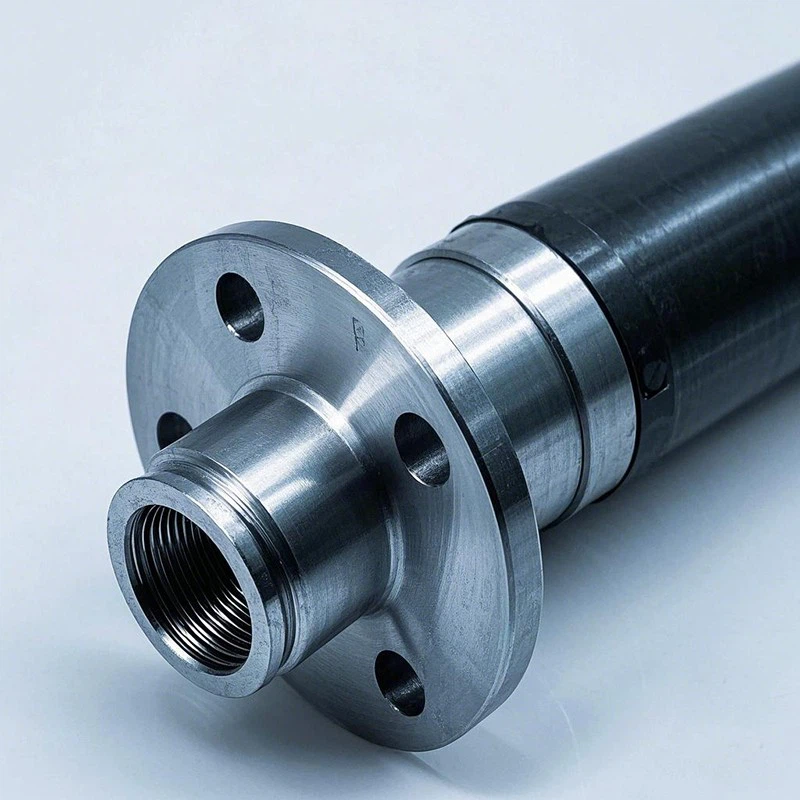
When considering Metric To JIC Adapters, it's also important to look at related products that can complement their performance. Threaded Pipe Flange is one such product. Threaded pipe flanges are used to connect pipes and adapters in a more secure and stable way. They can help distribute the stress evenly across the connection, reducing the chances of abrasion on the adapter.
Adapter Hydraulic Hose Fittings are another important component. These fittings are used to connect hydraulic hoses to the adapters. They need to have good abrasion resistance as well, especially in applications where the hoses are subject to movement and bending. A well - designed and abrasion - resistant hose fitting can ensure a tight and reliable connection, preventing fluid leaks.

Thread Nuts are also essential for Metric To JIC Adapters. They are used to secure the adapter in place and provide a proper seal. Thread nuts with high abrasion resistance can maintain their grip over time, ensuring the stability of the connection.
How We Ensure High Abrasion Resistance in Our Metric To JIC Adapters
As a supplier, we take several steps to ensure that our Metric To JIC Adapters have high abrasion resistance. First, we carefully select the materials for our adapters. We source high - quality steel, stainless steel, and brass from reputable suppliers. Our quality control team conducts strict material inspections to ensure that the materials meet our standards for strength, durability, and abrasion resistance.
We also pay close attention to the surface finish of our adapters. Our manufacturing processes include advanced polishing and plating techniques to achieve a smooth and hard surface. We offer a variety of coating options to our customers, depending on their specific application requirements.
In terms of design, our engineers use the latest CAD software to optimize the thread profile and geometry of our adapters. We conduct extensive testing to ensure that the adapters have a secure and reliable fit, reducing the chances of abrasion during connection and disconnection.
Conclusion
Abrasion resistance is a critical property of Metric To JIC Adapters. It directly impacts the performance, longevity, and safety of these adapters in various industrial applications. By understanding the factors that influence abrasion resistance, such as material selection, surface finish, and design, we can make informed decisions when choosing the right adapters for our needs.
As a supplier, we are committed to providing high - quality Metric To JIC Adapters with excellent abrasion resistance. If you are in the market for these adapters or have any questions about their performance, we invite you to contact us for a detailed discussion. Our team of experts is ready to assist you in finding the best solutions for your specific requirements.
References
- "Hydraulic Adapter Handbook", Industrial Hydraulics Publishing
- "Materials Science for Engineers", John Wiley & Sons
- "Design and Application of Hydraulic Systems", McGraw - Hill Education