

Hey there! As a supplier of Long Weld Neck Flanges, I've been getting a lot of questions about the vibration characteristics of these flanges. So, I thought I'd take some time to break it down for you all.
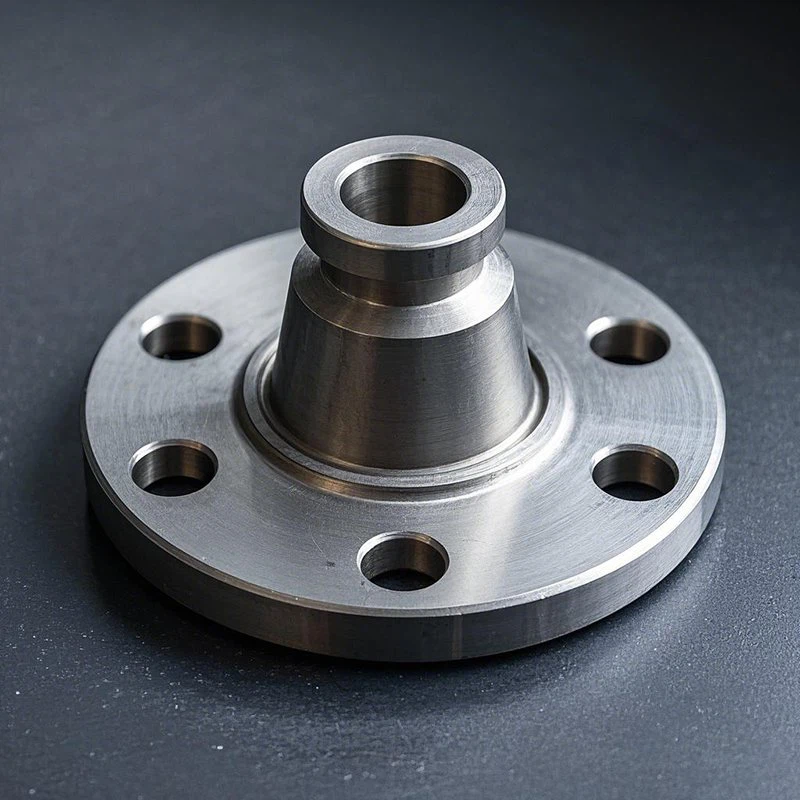
First off, let's talk about what Long Weld Neck Flanges are. These flanges are a type of welded flange that have a long tapered neck. They're commonly used in high-pressure and high-temperature applications, like in the oil and gas industry, chemical processing plants, and power generation facilities. The long neck provides extra reinforcement and helps to reduce stress concentration at the weld joint, making them a reliable choice for critical connections.
Now, onto the vibration characteristics. Vibration can be a major issue in industrial settings, as it can lead to fatigue failure, loosening of bolts, and even leaks in flange connections. Understanding how Long Weld Neck Flanges behave under vibration is crucial for ensuring the safety and reliability of your piping systems.
Natural Frequency
One of the key factors in determining the vibration characteristics of a flange is its natural frequency. The natural frequency is the frequency at which an object vibrates when it's disturbed. When the frequency of an external force matches the natural frequency of the flange, resonance occurs. Resonance can cause the flange to vibrate with a much larger amplitude, which can lead to damage over time.
Long Weld Neck Flanges have a relatively high natural frequency compared to other types of flanges. This is because of their long, tapered neck, which adds stiffness to the flange. The higher natural frequency means that they're less likely to resonate with common vibration frequencies in industrial environments. However, it's still important to consider the specific operating conditions and the potential sources of vibration when selecting a flange.
Damping
Damping is another important factor in vibration control. Damping refers to the ability of a material or structure to dissipate energy when it vibrates. A flange with good damping properties will absorb some of the energy from the vibration, reducing the amplitude of the vibration and preventing damage.
Long Weld Neck Flanges typically have good damping characteristics. The material used in the flange, such as carbon steel or stainless steel, has some inherent damping properties. Additionally, the long neck of the flange can act as a damping element, helping to dissipate energy. However, the damping can be affected by factors like the quality of the weld, the tightness of the bolts, and the presence of any external damping devices.
Bolt Tightening and Pre - load
The way the bolts are tightened and the pre - load applied to them can also have a significant impact on the vibration characteristics of Long Weld Neck Flanges. Proper bolt tightening is essential for maintaining the integrity of the flange connection. When the bolts are tightened to the correct torque, they create a pre - load that helps to hold the flange faces together and resist the forces caused by vibration.
If the bolts are not tightened properly, the flange can start to loosen under vibration. This can lead to increased vibration amplitude, leakage, and even separation of the flange connection. On the other hand, over - tightening the bolts can cause excessive stress on the flange and the bolts themselves, which can also lead to failure. It's important to follow the manufacturer's recommendations for bolt tightening torque and to use a torque wrench to ensure accurate tightening.
Comparison with Other Flanges
Let's compare Long Weld Neck Flanges with some other types of flanges in terms of vibration characteristics. For example, Stainless Steel Socket Weld Flange has a different design. Socket weld flanges are designed to be welded into a socket in the pipe, which can make them more rigid in some ways. However, they may have a lower natural frequency compared to Long Weld Neck Flanges, making them more prone to resonance in certain situations.
Another type is the Weld Neck Blind Flange. Blind flanges are used to close the end of a pipe. While they also have a weld neck, the fact that they're used to block the flow can change the way they respond to vibration. The lack of flow through the flange can affect the pressure distribution and the overall dynamic behavior.
Flange with Orifice Welding Neck is designed with an orifice for flow measurement. The presence of the orifice can create additional flow - induced vibrations. Compared to Long Weld Neck Flanges, the vibration characteristics of these flanges need to be carefully evaluated considering the flow conditions and the orifice design.
Real - World Applications and Considerations
In real - world applications, there are many factors that can affect the vibration of Long Weld Neck Flanges. For example, the flow rate of the fluid in the pipe can cause flow - induced vibrations. High - velocity flows can create turbulence and pressure fluctuations, which can excite the flange into vibration. The type of fluid, whether it's a gas or a liquid, can also have an impact. Liquids are generally denser than gases, and they can transmit vibrations more effectively.
The layout of the piping system is also important. Bends, tees, and other fittings in the pipe can cause changes in the flow direction and velocity, which can lead to vibration. The support structure of the pipes can also affect the vibration of the flanges. If the pipes are not properly supported, they can vibrate more freely, increasing the stress on the flanges.
How to Ensure Good Vibration Performance
To ensure that your Long Weld Neck Flanges perform well under vibration, here are some tips:
- Proper Design and Installation: Make sure the flanges are designed and installed according to industry standards. This includes proper sizing, correct welding techniques, and accurate bolt tightening.
- Vibration Monitoring: Implement a vibration monitoring system to detect any abnormal vibration levels. This can help you identify potential problems early and take corrective action.
- Use of Damping Devices: In some cases, it may be necessary to use external damping devices, such as vibration isolators or dampers, to reduce the vibration amplitude.
- Regular Maintenance: Conduct regular inspections and maintenance of the flanges and the piping system. Check for any signs of wear, loosening of bolts, or damage to the welds.
Conclusion
In conclusion, Long Weld Neck Flanges have unique vibration characteristics that make them a good choice for many industrial applications. Their high natural frequency and good damping properties help to resist vibration and prevent damage. However, it's important to consider all the factors that can affect vibration, such as the operating conditions, the design of the piping system, and the installation and maintenance practices.
If you're in the market for high - quality Long Weld Neck Flanges or have any questions about their vibration characteristics, feel free to reach out. We're here to help you select the right flanges for your specific needs and ensure the safety and reliability of your piping systems. Let's start a conversation and see how we can work together to meet your requirements.

References
- ASME B16.5 - Standard for Pipe Flanges and Flanged Fittings
- API 6A - Specification for Wellhead and Christmas Tree Equipment
- ISO 7005 - Metallic Flanges for Piping