

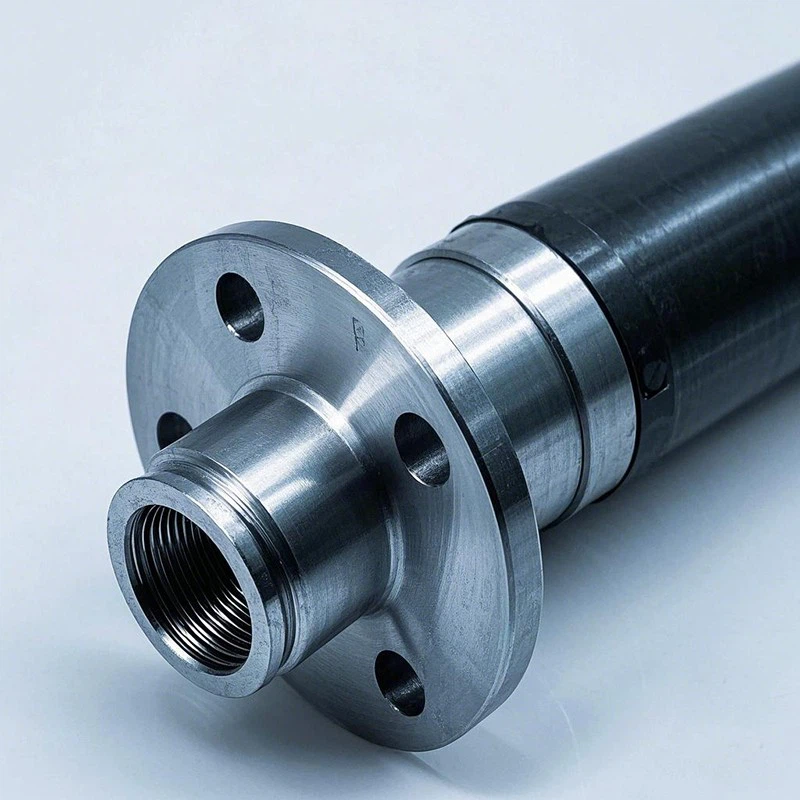
When it comes to shipping and handling threaded pipe flanges, there are quite a few things to keep in mind. As a supplier of Threaded Pipe Flanges, I've dealt with these issues firsthand, and I'm here to share some insights with you.
Packaging is Key
First off, proper packaging is crucial. Threaded pipe flanges are heavy and can be quite sharp. You don't want them getting damaged during transit, and you definitely don't want them causing any harm to the people handling them. We usually use sturdy wooden crates or metal containers to pack our Threaded Pipe Flange. These containers are designed to withstand the rigors of shipping, whether it's by land, sea, or air.
Inside the container, we use cushioning materials like foam or rubber to protect the flanges from scratches and dents. The flanges are also individually wrapped to prevent them from rubbing against each other. This extra layer of protection ensures that the flanges arrive at their destination in perfect condition.
Shipping Methods
Choosing the right shipping method is another important consideration. For local or regional deliveries, ground transportation is often the most cost - effective option. Trucks can easily accommodate large and heavy loads of threaded pipe flanges. However, you need to make sure that the truck is equipped with proper securing mechanisms to prevent the flanges from shifting during transit.
If you're shipping overseas, sea freight is usually the way to go. It's a more economical option for large volumes of goods. But sea freight also means longer transit times, so you need to plan your orders accordingly. Air freight, on the other hand, is much faster but significantly more expensive. It's a good option if you have urgent orders or if you're shipping a small quantity of high - value flanges.
Documentation
Don't underestimate the importance of proper documentation. When shipping threaded pipe flanges, you need to have all the necessary paperwork in order. This includes a bill of lading, which is a legal document that serves as a receipt for the goods being shipped and details the terms of the shipment. You also need a commercial invoice, which provides information about the value of the goods, the quantity, and the destination.
If you're shipping internationally, you may also need to provide additional documents such as a certificate of origin, which indicates where the flanges were manufactured. This can be important for customs clearance purposes.
Handling at Destination
Once the threaded pipe flanges reach their destination, proper handling is still necessary. The receiving party should have a plan in place for unloading and storing the flanges. They need to use appropriate equipment, such as forklifts or cranes, to move the heavy flanges safely.
The storage area should be dry and well - ventilated. Threaded pipe flanges are made of metal, and they can rust if exposed to moisture for extended periods. Storing them on pallets or racks can help keep them off the ground and prevent damage.
Compatibility with Other Products
In some cases, threaded pipe flanges may be used in conjunction with other hydraulic components. For example, they might be connected to Hydraulic Swivel Connector or Adapter Hydraulic Hose Fittings. When shipping these products together, you need to make sure that they are packaged in a way that prevents any damage to each other.
You also need to consider the overall dimensions and weight of the combined shipment. This can affect the choice of shipping method and the packaging requirements. For instance, if you're shipping a large number of flanges along with other hydraulic components, you may need a larger container or a more robust shipping vehicle.
Insurance
It's always a good idea to get insurance for your shipments. Shipping can be unpredictable, and there's always a risk of damage, loss, or theft. Insurance provides you with financial protection in case something goes wrong during transit.

When choosing an insurance policy, make sure you understand the terms and conditions. Some policies may have exclusions or limitations, so you need to choose one that suits your specific needs.
Cost Considerations
Shipping and handling costs can add up quickly, especially when dealing with heavy and bulky items like threaded pipe flanges. As a supplier, I always try to find the most cost - effective solutions for my customers. This may involve negotiating better rates with shipping companies, optimizing the packaging to reduce volume, or choosing the most appropriate shipping method.
However, cost shouldn't be the only factor you consider. You also need to balance it with the quality of service and the reliability of the shipping provider. A cheap shipping option may end up costing you more in the long run if it results in damaged goods or delayed deliveries.
Regulatory Requirements
There are various regulatory requirements that you need to comply with when shipping threaded pipe flanges. These can include safety regulations, environmental regulations, and customs regulations.
For example, some countries may have strict regulations regarding the import of metal products. You need to make sure that your flanges meet all the necessary standards and that you have the appropriate documentation to prove it. Failure to comply with these regulations can result in delays at customs, fines, or even the rejection of your shipment.
Communication
Good communication is essential throughout the shipping and handling process. As a supplier, I keep my customers informed about the status of their orders. I provide them with tracking information so they can monitor the progress of their shipments.
I also communicate with the shipping companies and other parties involved in the process to ensure that everything goes smoothly. If there are any issues or delays, I make sure to notify my customers as soon as possible and work with them to find a solution.
Conclusion
Shipping and handling threaded pipe flanges require careful planning and attention to detail. From packaging and shipping methods to documentation and regulatory requirements, there are many factors to consider.
As a supplier of Threaded Pipe Flange, I'm committed to providing my customers with high - quality products and reliable shipping services. If you're in the market for threaded pipe flanges or have any questions about shipping and handling, don't hesitate to reach out. We can discuss your specific needs and come up with the best solution for you.
References
- "Shipping and Logistics Handbook" by John Smith
- "Hydraulic Components: Design and Application" by Jane Doe
- Industry guidelines and regulations on shipping metal products