

As a supplier of Hex Nut Screws, I've had my fair share of experiences with these little fasteners. They're super handy and widely used, but like anything else, they've got their limitations. In this blog, I'll break down some of the key limitations you might encounter when using hex nut screws.
1. Installation Difficulties
One of the first limitations I've noticed is the installation process. Hex nut screws require a specific tool, usually a wrench or a socket, to tighten them properly. If you don't have the right size tool on hand, it can be a real pain. You might end up stripping the nut or the screw head, which not only makes the installation process longer but also can render the fastener useless.
For example, if you're working in a tight space, it can be challenging to maneuver the tool to get a good grip on the hex nut. This is especially true in automotive or machinery applications where there are a lot of components packed closely together. You might have to use special tools or even modify the existing setup to get the job done.
Another issue with installation is the torque. If you don't apply the right amount of torque, the hex nut screw might not hold properly. Too little torque, and it could come loose over time, leading to potential safety hazards. Too much torque, and you could damage the parts you're trying to fasten. It's a delicate balance that requires some skill and experience.
2. Corrosion and Rust
Hex nut screws are often made of metal, which means they're susceptible to corrosion and rust. This is a big problem, especially in environments where there's a lot of moisture or exposure to chemicals. Corrosion can weaken the fastener, making it less reliable and potentially causing it to fail.
For instance, if you're using hex nut screws in a marine environment, the saltwater can quickly corrode the metal. Even in a normal indoor environment, humidity can cause rust to form over time. To prevent this, you can use hex nut screws that are made of corrosion-resistant materials like stainless steel or coated with a protective layer. But these options can be more expensive, which might not be feasible for all applications.
3. Limited Adjustability
Once a hex nut screw is tightened, it's pretty much set in place. It's not easy to make adjustments without loosening the entire fastener. This can be a problem if you need to make small changes or fine-tune the position of the parts you're fastening.
For example, in a furniture assembly, if you realize that a piece is slightly misaligned after tightening the hex nut screws, it can be difficult to make the necessary adjustments. You might have to remove the screws, reposition the parts, and then reinstall the screws, which can be time-consuming and frustrating.
4. Compatibility Issues
Hex nut screws come in different sizes and thread pitches. If you don't use the right size or thread pitch, the screw might not fit properly into the nut or the hole. This can lead to a loose connection or even prevent the fastener from being installed at all.
For instance, if you're trying to replace a hex nut screw in an existing assembly, you need to make sure you get the exact same size and thread pitch as the original. Otherwise, you could end up with a fastener that doesn't work correctly. It's always a good idea to double-check the specifications before purchasing hex nut screws.
5. Vibration and Loosening
In applications where there's a lot of vibration, hex nut screws can loosen over time. This is because the vibration can cause the threads to gradually work their way loose. This can be a serious problem in machinery or automotive applications where loose fasteners can lead to malfunctions or even accidents.

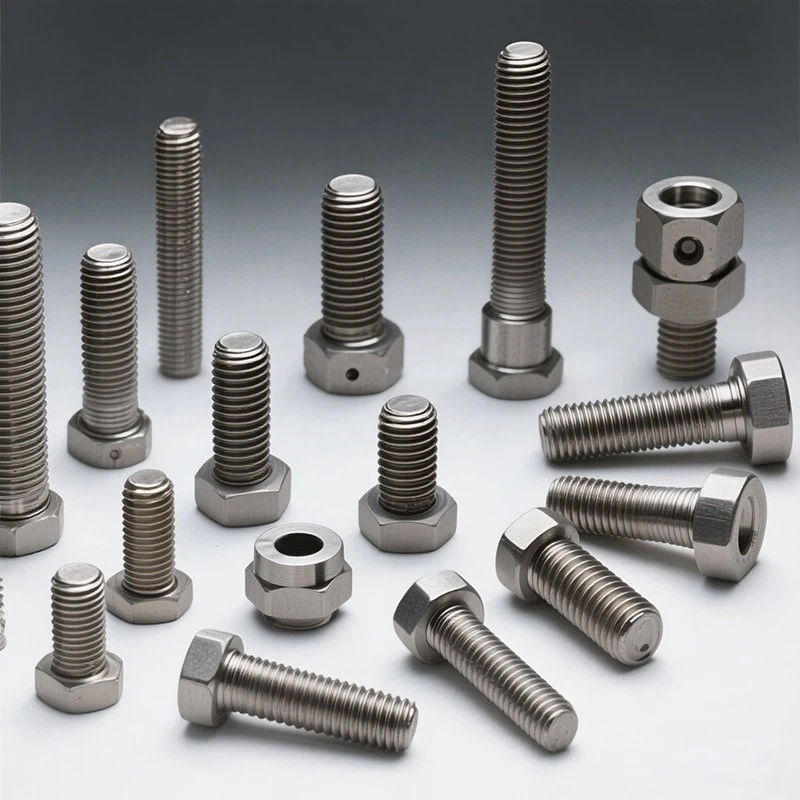
To prevent this, you can use locking mechanisms like lock washers or thread-locking compounds. However, these solutions add an extra step to the installation process and can also increase the cost.
6. Cost
Depending on the material and quality, hex nut screws can be relatively expensive. High-quality stainless steel or specialty hex nut screws can cost significantly more than standard ones. This can be a limiting factor, especially for large-scale projects where you need a large number of fasteners.
For example, if you're building a large structure or a piece of machinery, the cost of hex nut screws can add up quickly. You might have to compromise on the quality or look for alternative fasteners to stay within your budget.
Conclusion
Despite these limitations, hex nut screws are still a popular choice for many applications. They're strong, reliable, and widely available. However, it's important to be aware of their limitations so you can make the right decisions when using them.
If you're in the market for hex nut screws, we've got a great selection available at Hex Nut Screw. We also offer Hex Bolt Nut and Hex Head Barrel Nut options to meet your specific needs. If you have any questions or want to discuss your requirements, feel free to reach out. We're here to help you find the best fasteners for your project.
References
- Machinery's Handbook
- Fastener Technology Handbook