

Welded flanges are a crucial component in various industrial applications, offering a range of benefits that make them a preferred choice for many engineers and project managers. As a supplier of welded flanges, I have witnessed firsthand the advantages these products bring to different projects. In this blog, I will delve into the key benefits of using welded flanges and explore how they can enhance the performance and reliability of your systems.
Enhanced Structural Integrity
One of the primary advantages of using welded flanges is the significant improvement in structural integrity they provide. When a flange is welded to a pipe or other equipment, it creates a permanent and seamless connection. This welded joint is much stronger than other types of flange connections, such as bolted flanges. The continuous weld distributes the stress evenly across the joint, reducing the risk of leakage and failure. This is particularly important in high-pressure and high-temperature applications, where the integrity of the connection is critical to prevent accidents and ensure the smooth operation of the system.
For example, in the oil and gas industry, welded flanges are commonly used in pipelines that transport crude oil, natural gas, and other hydrocarbons. These pipelines are often subjected to high pressures and harsh environmental conditions. The strong and reliable connection provided by welded flanges helps to prevent leaks and ensure the safe transportation of these valuable resources.
Leak Resistance
Another major advantage of welded flanges is their excellent leak resistance. The continuous weld around the flange eliminates the gaps and spaces that can occur in non-welded connections, such as bolted flanges. This tight seal prevents fluid or gas from escaping the system, reducing the risk of environmental contamination and maintaining the efficiency of the process.
In chemical processing plants, where hazardous chemicals are often handled, leak resistance is of utmost importance. Welded flanges are used to connect pipes and equipment in these plants to prevent the leakage of toxic substances. This not only protects the environment but also ensures the safety of the workers and the surrounding community.
Increased Durability
Welded flanges are known for their exceptional durability. The welding process creates a strong bond between the flange and the pipe, making the connection resistant to wear, corrosion, and mechanical stress. This durability allows welded flanges to withstand the rigors of harsh operating conditions, such as high temperatures, high pressures, and exposure to corrosive substances.
In power generation plants, welded flanges are used in steam pipelines and other high-temperature applications. These flanges are exposed to extreme heat and pressure, but their welded construction ensures that they can maintain their integrity over long periods of time. This reduces the need for frequent maintenance and replacement, saving time and money in the long run.
Flexibility in Design
Welded flanges offer a high degree of flexibility in design, allowing them to be customized to meet the specific requirements of different applications. They can be manufactured in a variety of sizes, shapes, and materials to suit the needs of different industries and projects. This flexibility makes welded flanges suitable for a wide range of applications, from small-scale residential plumbing systems to large-scale industrial pipelines.
For instance, in the construction of a chemical plant, the designers may require flanges with specific dimensions and material properties to ensure compatibility with the chemicals being processed. As a welded flange supplier, we can work closely with the designers to manufacture flanges that meet their exact specifications. This customization ensures that the flanges perform optimally in the given application.
Cost-Effectiveness in the Long Run
While the initial cost of welded flanges may be slightly higher than that of some other types of flanges, they offer significant cost savings in the long run. Their superior durability and leak resistance reduce the need for frequent maintenance, repairs, and replacements. This not only saves on the cost of materials and labor but also minimizes downtime, which can be extremely costly in industrial applications.
In addition, the strong and reliable connection provided by welded flanges reduces the risk of accidents and leaks, which can result in substantial financial losses and legal liabilities. By investing in welded flanges, companies can avoid these potential costs and ensure the long-term reliability and efficiency of their systems.
Types of Welded Flanges
There are several types of welded flanges available, each with its own unique characteristics and applications. Some of the commonly used types include:
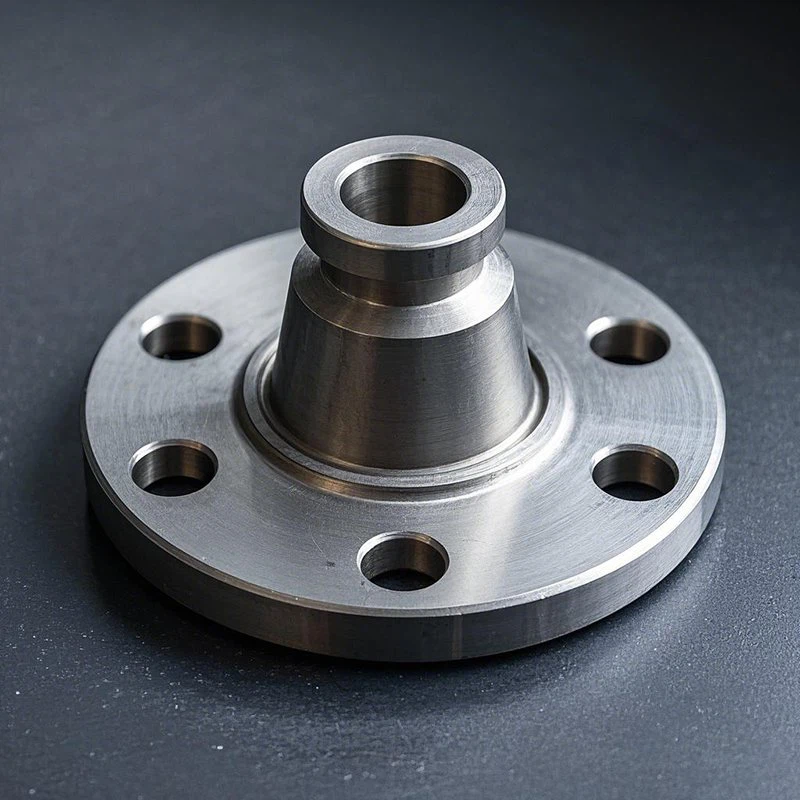

- Weld Neck Blind Flange: This type of flange is welded to the end of a pipe and is used to close off the end of the pipeline. It provides a high level of strength and leak resistance. You can learn more about Weld Neck Blind Flange on our website.
- Stainless Steel Socket Weld Flange: These flanges are made of stainless steel and are welded into a socket at the end of the pipe. They are suitable for small-diameter pipes and offer excellent corrosion resistance. Check out our Stainless Steel Socket Weld Flange for more details.
- Flange with Orifice Welding Neck: This type of flange has an orifice in the center and is used to measure the flow rate of fluids in a pipeline. It is commonly used in industrial applications where accurate flow measurement is required. Find more information about Flange with Orifice Welding Neck.
Conclusion
In conclusion, the advantages of using welded flanges are numerous. From enhanced structural integrity and leak resistance to increased durability, flexibility in design, and long-term cost-effectiveness, welded flanges offer a reliable solution for a wide range of industrial applications. As a supplier of welded flanges, we are committed to providing high-quality products that meet the specific needs of our customers. Whether you are working on a small-scale project or a large industrial installation, our welded flanges can help you achieve optimal performance and reliability.
If you are interested in learning more about our welded flanges or would like to discuss your specific requirements, please feel free to contact us. We look forward to the opportunity to assist you with your procurement needs and to contribute to the success of your projects.
References
- Mohit P. Welded Flanges: Their Types, Applications and Advantages. [Online]. Available: https://www.researchgate.net/publication/340233476_Welded_Flanges_Their_Types_Applications_and_Advantages
- Khurmi, R. S., & Gupta, J. K. (2005). A textbook of machine design. New Delhi: S. Chand.