

Accurately measuring the dimensions of a hydraulic T connector is crucial for ensuring proper fit, functionality, and safety in hydraulic systems. As a supplier of hydraulic T connectors, I understand the significance of precise measurements and the impact they have on the overall performance of hydraulic applications. In this blog post, I will share some essential tips and techniques on how to measure the dimensions of a hydraulic T connector accurately.
Understanding the Importance of Accurate Measurements
Before delving into the measurement process, it's important to understand why accurate measurements are so critical. Hydraulic systems operate under high pressure, and any slight deviation in the dimensions of a T connector can lead to leaks, reduced efficiency, and even system failure. A poorly fitting T connector can cause fluid to escape, resulting in a loss of pressure and potential damage to other components in the system. Additionally, inaccurate measurements can lead to compatibility issues, making it difficult to connect the T connector to other hydraulic components.
Tools Required for Measuring Hydraulic T Connectors
To measure the dimensions of a hydraulic T connector accurately, you will need a few essential tools. These include:
- Vernier Caliper: A vernier caliper is a precision measuring tool that can measure both internal and external dimensions with high accuracy. It consists of a main scale and a sliding vernier scale, which allows for precise readings up to 0.02 mm or 0.001 inches.
- Micrometer: A micrometer is another precision measuring tool that is commonly used for measuring small dimensions with high accuracy. It is particularly useful for measuring the thickness of walls and the diameter of small holes.
- Depth Gauge: A depth gauge is used to measure the depth of holes, slots, and recesses. It consists of a base and a measuring rod, which can be adjusted to measure the depth of the feature.
- Thread Gauge: A thread gauge is used to measure the pitch and diameter of threads. It is essential for ensuring that the threads on the T connector match the threads on the other components in the hydraulic system.
Measuring the External Dimensions of a Hydraulic T Connector
The first step in measuring the dimensions of a hydraulic T connector is to measure its external dimensions. This includes the overall length, width, and height of the connector, as well as the diameter of the ports.
- Overall Length: To measure the overall length of the T connector, place the vernier caliper across the longest dimension of the connector and take a reading. Make sure to measure from the end of one port to the end of the opposite port.
- Width and Height: To measure the width and height of the T connector, place the vernier caliper across the widest and tallest dimensions of the connector, respectively. Take readings for both dimensions and record them.
- Port Diameter: To measure the diameter of the ports, use a micrometer or a vernier caliper. Place the measuring tool across the opening of the port and take a reading. Make sure to measure the inner diameter of the port, as this is the dimension that will determine the compatibility of the connector with other hydraulic components.
Measuring the Internal Dimensions of a Hydraulic T Connector
In addition to measuring the external dimensions, it is also important to measure the internal dimensions of the T connector. This includes the diameter of the bore and the depth of the ports.
- Bore Diameter: To measure the diameter of the bore, use a micrometer or a vernier caliper. Insert the measuring tool into the bore of the connector and take a reading. Make sure to measure the inner diameter of the bore, as this is the dimension that will determine the flow capacity of the connector.
- Port Depth: To measure the depth of the ports, use a depth gauge. Insert the depth gauge into the port and adjust it until it reaches the bottom of the port. Take a reading and record it.
Measuring the Thread Dimensions of a Hydraulic T Connector
If the T connector has threaded ports, it is important to measure the thread dimensions to ensure compatibility with other hydraulic components. To measure the thread dimensions, use a thread gauge.
- Pitch: To measure the pitch of the threads, place the thread gauge on the threads of the port and match the teeth of the gauge to the threads. The pitch is the distance between two adjacent threads and is usually measured in millimeters or inches.
- Diameter: To measure the diameter of the threads, use a micrometer or a vernier caliper. Place the measuring tool across the threads of the port and take a reading. Make sure to measure the major diameter of the threads, as this is the dimension that will determine the compatibility of the connector with other hydraulic components.
Tips for Accurate Measurements
To ensure accurate measurements, it is important to follow these tips:
- Clean the Connector: Before measuring the dimensions of the T connector, make sure to clean it thoroughly to remove any dirt, debris, or oil. This will ensure that the measuring tools can make accurate contact with the surface of the connector.
- Use the Right Tool: Make sure to use the right measuring tool for the job. Different tools are designed for measuring different dimensions, and using the wrong tool can lead to inaccurate readings.
- Take Multiple Readings: To ensure accuracy, take multiple readings of each dimension and calculate the average. This will help to eliminate any errors or inconsistencies in the measurements.
- Check for Wear and Damage: Before using the measuring tools, check them for wear and damage. Worn or damaged tools can lead to inaccurate readings, so it is important to replace them if necessary.
Conclusion
Accurately measuring the dimensions of a hydraulic T connector is essential for ensuring proper fit, functionality, and safety in hydraulic systems. By following the tips and techniques outlined in this blog post, you can measure the dimensions of a hydraulic T connector accurately and ensure that it meets the requirements of your hydraulic application.
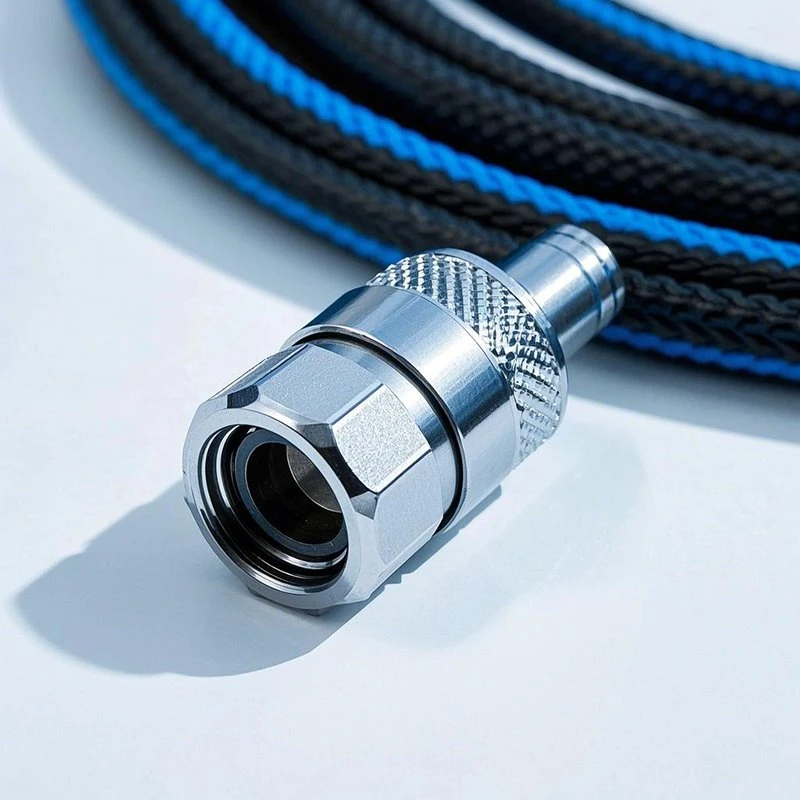
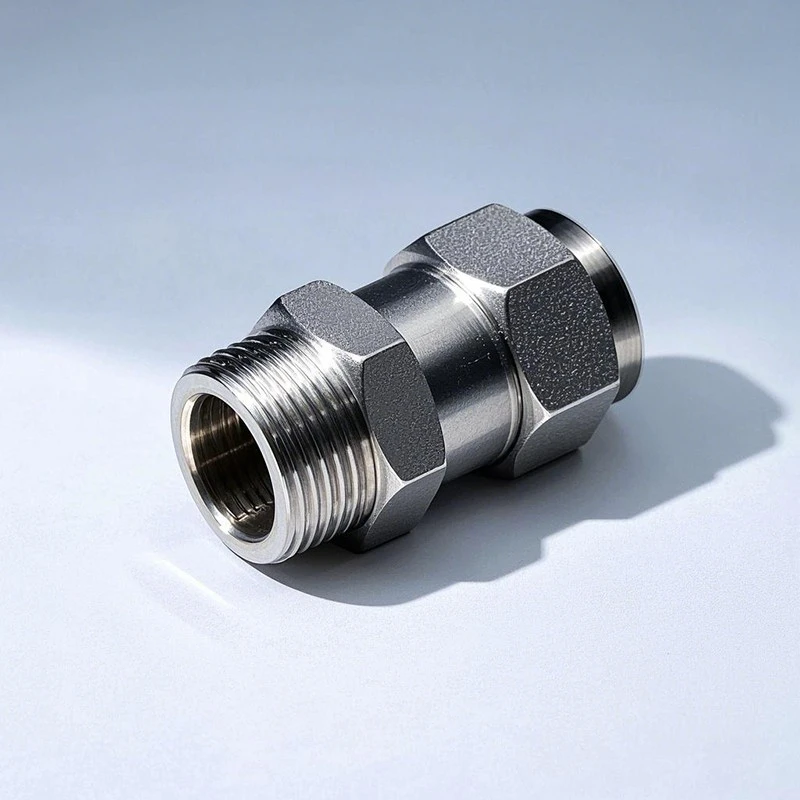
If you are in the market for high-quality hydraulic T connectors, Hydraulic Hose Quick Coupler, Hydraulic Male Female Coupling, or High Pressure Hose Pipe Connector, please feel free to contact us. We are a leading supplier of hydraulic components and can provide you with the products and services you need to keep your hydraulic systems running smoothly.
References
- ASME B1.1-2019, Unified Inch Screw Threads (UN and UNR Thread Forms)
- ISO 228-1:2019, Pipe threads where pressure-tight joints are not made on the threads -- Part 1: Dimensions, tolerances and designation
- DIN 2353-1:2019, Hydraulic fluid power -- Connectors -- 24° cone connectors -- Part 1: General requirements and dimensions