

Hey there! As a supplier of hex nut screws, I've seen firsthand how crucial it is to maintain these little but mighty fasteners over time. Whether you're using them in construction, machinery, or DIY projects, proper maintenance can significantly extend their lifespan and ensure they perform at their best. In this blog, I'll share some practical tips on how to keep your hex nut screws in top-notch condition.
Understanding Hex Nut Screws
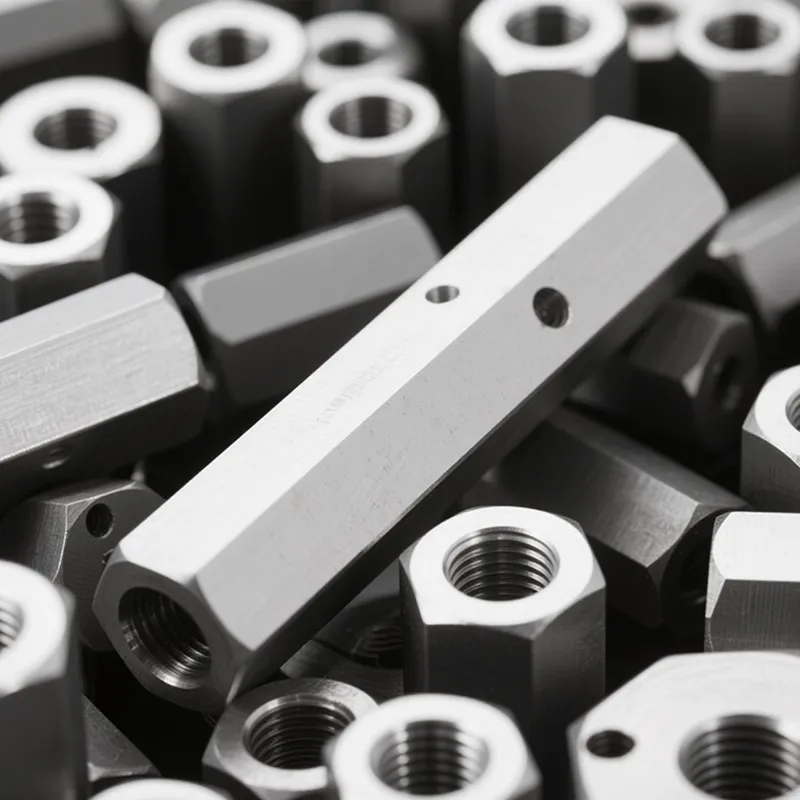
Before we dive into maintenance, let's quickly go over what hex nut screws are. These are fasteners with a hexagonal shape and a threaded hole that's designed to be paired with a bolt or screw. They come in various sizes, materials, and finishes, each suited for different applications. For instance, you might choose Hex Bolt Nut for heavy - duty applications, Domed Nut for a more decorative look, or Long Hex Nut when you need extra thread engagement.
Regular Inspection
The first step in maintaining hex nut screws is regular inspection. You should check them periodically to spot any signs of wear, damage, or corrosion. Look for things like stripped threads, cracks, or rust. If you're using them in an outdoor or high - moisture environment, you might need to inspect them more frequently.
When inspecting, use a magnifying glass if necessary to get a close - up view of the threads. Make sure the hexagon shape of the nut is intact, as any deformation can make it difficult to tighten or loosen. Also, check the mating bolt or screw to ensure it's in good condition too. If you notice any issues during the inspection, it's better to replace the nut and bolt set as soon as possible to avoid any potential failures.
Cleaning
Cleaning is an essential part of hex nut screw maintenance. Over time, dirt, dust, and debris can accumulate on the surface of the nuts and bolts, which can cause friction and make it harder to tighten or loosen them. It can also lead to corrosion.
To clean hex nut screws, start by removing them from the assembly if possible. You can use a wire brush to scrub off any loose dirt and debris. For more stubborn grime, you can soak the nuts and bolts in a mild cleaning solution. Avoid using harsh chemicals that can damage the finish or the material of the fasteners. After cleaning, dry them thoroughly with a clean cloth to prevent moisture from causing rust.
Lubrication
Lubricating hex nut screws is another great way to maintain them. Lubrication reduces friction between the threads, making it easier to tighten and loosen the nuts. It also helps prevent corrosion by creating a barrier between the metal and the environment.
There are different types of lubricants you can use, such as grease, oil, or anti - seize compounds. Grease is a popular choice as it stays in place well and provides long - lasting lubrication. Apply a small amount of lubricant to the threads of the bolt and the inside of the nut before assembly. Make sure to spread it evenly to ensure smooth operation.
Storage
Proper storage is key to maintaining hex nut screws over time. When not in use, store them in a dry, cool place. Avoid storing them in areas with high humidity or where they can be exposed to chemicals or moisture. You can use plastic containers or storage boxes to keep them organized and protected.
Label the containers with the size and type of the hex nut screws to make it easier to find what you need. If you have a large inventory, consider using a shelving system to keep everything in order. Also, make sure to keep the nuts and bolts separate from other tools or materials that could scratch or damage them.
Tightening and Loosening
When tightening or loosening hex nut screws, it's important to use the right tools. A wrench that fits the hexagon shape of the nut properly is essential. Using the wrong size wrench can damage the nut or strip the threads.
When tightening, use a torque wrench if possible to ensure you're applying the correct amount of force. Over - tightening can cause the threads to strip or the nut to crack, while under - tightening can lead to the fastener coming loose over time. If you're working on a project where the fasteners need to be tightened to a specific torque, refer to the manufacturer's specifications.

Corrosion Prevention
Corrosion is one of the biggest enemies of hex nut screws, especially if they're made of metal. To prevent corrosion, you can choose fasteners with a corrosion - resistant coating, such as zinc plating or stainless steel. These coatings provide an extra layer of protection against rust and other forms of corrosion.
If you're using fasteners in a harsh environment, you might also consider using a rust inhibitor. Apply the inhibitor to the surface of the nuts and bolts to create a protective barrier. Additionally, keep the fasteners clean and dry to minimize the risk of corrosion.
Handling and Installation
Proper handling and installation of hex nut screws are also important for their long - term maintenance. When handling the fasteners, avoid dropping them or hitting them against hard surfaces, as this can cause damage. During installation, make sure the mating surfaces are clean and flat to ensure a proper fit.
If you're installing the hex nut screws in a material that's prone to cracking or splitting, use a washer to distribute the load evenly. This can prevent damage to the material and the fastener. Also, follow the correct installation procedure for the specific application to ensure the fasteners are installed correctly.
Conclusion
Maintaining hex nut screws over time is not that difficult if you follow these simple tips. Regular inspection, cleaning, lubrication, proper storage, and correct handling and installation are all key factors in ensuring the longevity and performance of these fasteners.
If you're in the market for high - quality hex nut screws or have any questions about their maintenance, feel free to reach out. We're here to help you find the right fasteners for your needs and provide you with all the support you need. Whether you're a professional contractor or a DIY enthusiast, we've got you covered.
References
- "Fastener Handbook" by Industrial Fasteners Institute
- "Mechanical Engineering Design" by Joseph E. Shigley and Charles R. Mischke