

Are capnuts easy to remove? This is a question that often comes up among those who work with fasteners on a regular basis, whether they're DIY enthusiasts, professional mechanics, or in the construction industry. As a capnuts supplier, I've had numerous conversations with customers about this very topic, and I'd like to share some insights based on my experience and knowledge.
Understanding Capnuts
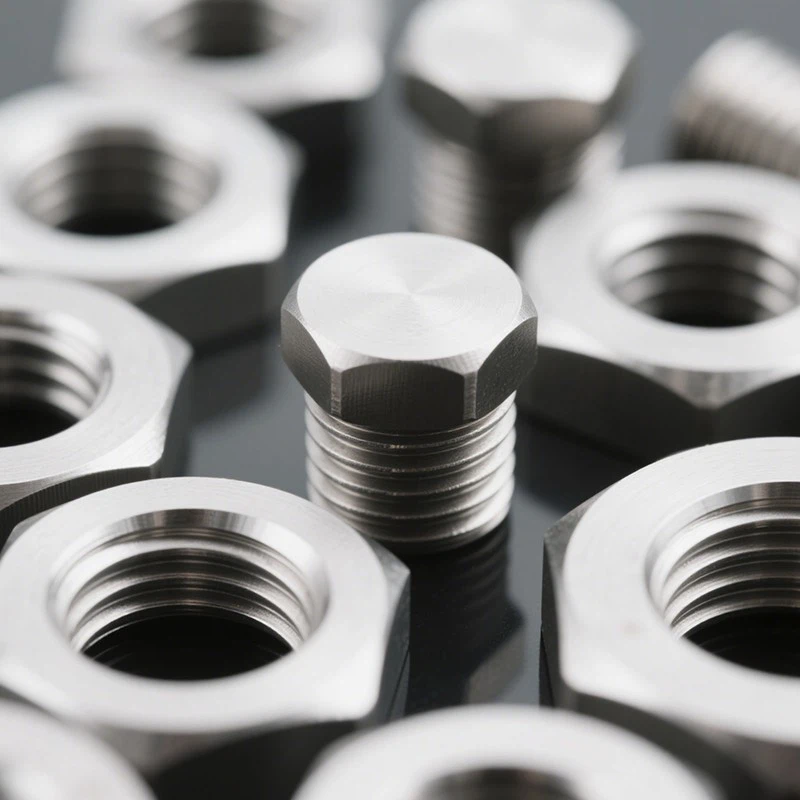
First, let's briefly go over what capnuts are. Capnuts, also known as acorn nuts, are a type of fastener with a domed end that covers the end of a bolt or threaded rod. This design not only provides a finished appearance but also helps protect the exposed threads from damage, corrosion, and dirt. They come in various sizes, materials, and styles, such as the Hexagon Cap Nut and Hex Head Barrel Nut.

Factors Affecting Ease of Removal
The ease of removing capnuts can vary depending on several factors. Let's take a closer look at each of these factors.
1. Installation Method
How the capnut was installed in the first place plays a significant role. If it was tightened too much during installation, it can be extremely difficult to remove. Over - tightening can cause the capnut to seize onto the threads, especially if there is no proper lubrication. For example, in a high - vibration environment, over - tightened capnuts may gradually work themselves even tighter over time, making removal a real challenge.
2. Corrosion
Corrosion is another major factor. When capnuts are exposed to moisture, chemicals, or harsh environmental conditions, they can corrode. Corrosion causes the metal to oxidize and form rust, which can fuse the capnut to the bolt or threaded rod. In some cases, the rust can build up so much that it fills the space between the threads, making it almost impossible to turn the capnut. For instance, in marine applications where the fasteners are constantly exposed to saltwater, corrosion is a common problem.
3. Thread Condition
The condition of the threads on both the capnut and the bolt or threaded rod is crucial. If the threads are damaged, either during installation or due to wear and tear, it can make removal difficult. Damaged threads can cause the capnut to bind or jam, preventing it from turning smoothly. This can happen if a tool slips during installation or if the fastener is subjected to excessive force.
4. Material Compatibility
The materials of the capnut and the mating bolt or threaded rod can also affect removal. If two dissimilar metals are used in a corrosive environment, galvanic corrosion can occur. This type of corrosion can accelerate the degradation of the fasteners and make them more difficult to separate. For example, if a steel capnut is used with an aluminum bolt in a moist environment, galvanic corrosion may set in, causing the capnut to stick.
Tools for Removing Capnuts
To remove capnuts, the right tools are essential. Here are some commonly used tools:
1. Wrenches
Wrenches are the most basic and widely used tool for removing capnuts. A socket wrench or an open - end wrench can be used, depending on the accessibility of the capnut. A socket wrench provides more torque and is often preferred for removing stubborn capnuts. However, it's important to choose the right size wrench to avoid damaging the capnut.
2. Pliers
In some cases, pliers can be used, especially if the capnut is small or if there is limited space. Locking pliers, also known as Vise - Grips, can provide a strong grip and are useful for removing capnuts that are difficult to reach with a wrench.
3. Impact Tools
For extremely stubborn capnuts, impact tools such as an impact wrench can be very effective. Impact wrenches deliver a high - torque, short - duration impact, which can break loose a seized capnut. However, they need to be used with caution as they can cause damage if not used properly.
Techniques for Easier Removal
There are several techniques that can make capnut removal easier:
1. Lubrication
Applying a penetrating lubricant can help loosen a stuck capnut. Penetrating oils work by seeping into the threads and breaking down the corrosion or debris that is causing the capnut to stick. They also provide lubrication, allowing the capnut to turn more smoothly. Let the lubricant sit for a while (usually 15 - 30 minutes) to allow it to penetrate fully.
2. Heat Application
In some cases, applying heat can expand the metal and break the bond between the capnut and the bolt. Using a heat gun or a torch (with extreme caution) can be effective. However, this method should only be used if the materials can withstand the heat and if there is no risk of fire or damage to surrounding components.
3. Thread Restoration
If the threads are damaged but still salvageable, using a thread chaser or a die to clean and restore the threads can make removal easier. This can help the capnut turn more freely and reduce the binding caused by damaged threads.
Our Capnuts Offerings
At our company, we understand the challenges associated with capnut removal. That's why we offer a wide range of high - quality Capnuts made from premium materials. Our capnuts are designed to resist corrosion and have precise threads for easy installation and removal. We also provide detailed installation instructions to ensure that our customers can install the capnuts correctly and avoid the common problems that make removal difficult.
Conclusion
In conclusion, whether capnuts are easy to remove depends on a variety of factors. While under ideal conditions with proper installation, lubrication, and maintenance, capnuts can be relatively easy to remove. However, in real - world scenarios where factors like corrosion, over - tightening, and damaged threads come into play, removal can be a significant challenge.
If you're in the market for capnuts or have any questions about their installation, removal, or performance, we're here to help. We have a team of experts who can provide you with the right advice and guidance. Whether you're a small - scale DIYer or a large - scale industrial customer, we can offer the right capnut solutions for your needs. Contact us today to start a conversation about your capnut requirements and let's work together to find the best fastener solutions for your projects.
References
- "Fasteners Handbook" - A comprehensive guide on fasteners including capnuts, their installation, and removal.
- Industry research papers on corrosion prevention in fasteners.
- Manufacturer's guidelines for various types of capnuts.