

Can I use a barrel nut in a high - vibration environment?
As a supplier of barrel nuts, I often get asked this question by customers. High - vibration environments pose unique challenges for fasteners, and it's crucial to understand whether barrel nuts are suitable for such conditions.
Understanding Barrel Nuts
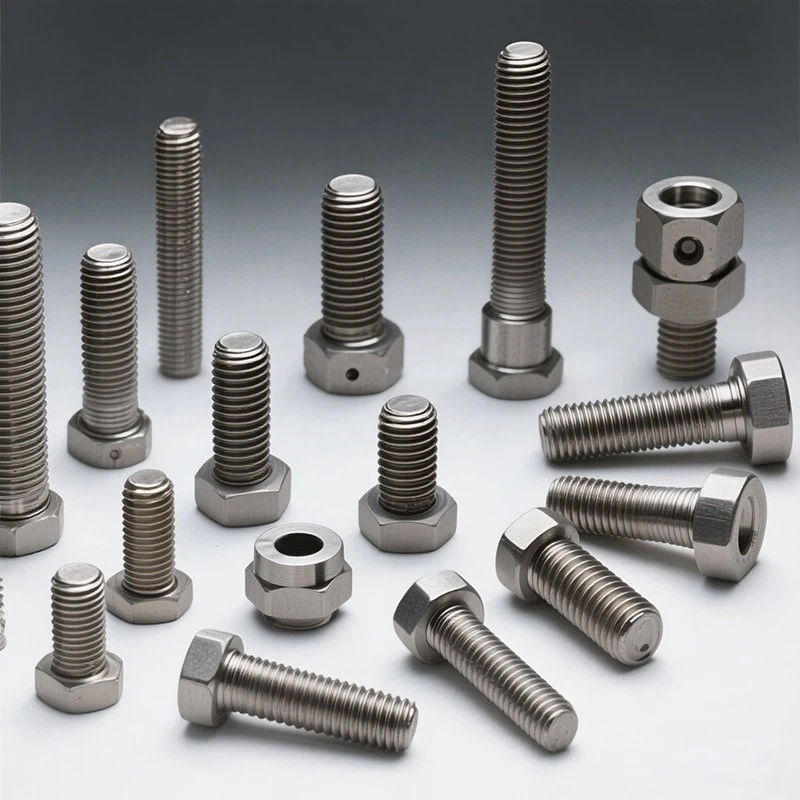
Barrel nuts, also known as blind nuts or insert nuts, are a type of fastener commonly used in woodworking, furniture assembly, and some machinery applications. They have a cylindrical shape with internal threads and are designed to be inserted into a pre - drilled hole in one piece of material. A bolt can then be threaded into the barrel nut from the other side to join the two pieces together.
The Hex Head Barrel Nut is a specific type of barrel nut that has a hexagonal head on one end. This design can provide additional stability and ease of installation in certain applications.
Challenges in High - Vibration Environments
In high - vibration environments, fasteners are subjected to continuous dynamic forces. These forces can cause several issues:
Loosening
One of the most significant problems is the loosening of fasteners. Vibration can cause the threads of a nut and bolt to gradually unwind, leading to a loss of clamping force. This can compromise the integrity of the joint and potentially result in equipment failure or safety hazards.
Wear and Tear
The constant movement and impact in a high - vibration environment can also cause wear and tear on the fasteners. The threads may become damaged, reducing the effectiveness of the connection. Over time, this can lead to the need for frequent replacement of the fasteners.
Fatigue
Fasteners can experience fatigue under high - vibration conditions. Fatigue occurs when a material is subjected to repeated stress cycles, which can cause cracks to form and eventually lead to failure.
Factors Affecting the Suitability of Barrel Nuts in High - Vibration Environments
Several factors need to be considered when determining whether barrel nuts can be used in high - vibration environments:
Material
The material of the barrel nut plays a crucial role. High - strength materials such as stainless steel or alloy steel are generally more resistant to wear and fatigue than softer materials like brass or aluminum. For high - vibration applications, choosing a barrel nut made from a strong and durable material is essential.
Thread Design
The thread design of the barrel nut can also affect its performance in a high - vibration environment. Fine - pitched threads tend to have a higher resistance to loosening compared to coarse - pitched threads. Additionally, some barrel nuts may have special thread locking features, such as nylon inserts or deformed threads, which can help prevent loosening.
Installation
Proper installation is key to ensuring the effectiveness of barrel nuts in high - vibration environments. The barrel nut must be inserted correctly into the pre - drilled hole, and the bolt must be tightened to the appropriate torque. Over - tightening or under - tightening can both lead to problems.
Advantages of Using Barrel Nuts in High - Vibration Environments
Despite the challenges, there are some advantages to using barrel nuts in high - vibration environments:
Hidden Fastening
Barrel nuts provide a hidden fastening solution, which can be aesthetically pleasing in applications where the appearance of the joint is important. This can be particularly useful in furniture and architectural applications.
Easy Installation
Barrel nuts are relatively easy to install, especially in applications where access to one side of the joint is limited. This can save time and labor costs during assembly.
Good Clamping Force
When installed correctly, barrel nuts can provide a good clamping force, which helps to keep the joint together. This can be beneficial in high - vibration environments, as long as the nut does not loosen.
Mitigating the Risks
If you decide to use barrel nuts in a high - vibration environment, there are several steps you can take to mitigate the risks:
Use Thread - Locking Compounds
Thread - locking compounds can be applied to the threads of the barrel nut and bolt to prevent loosening. These compounds work by filling the gaps between the threads and creating a bond that resists vibration.
Add Washers
Using washers can help distribute the clamping force more evenly and reduce the risk of wear on the barrel nut and the material it is fastened to. Lock washers, in particular, can provide additional resistance to loosening.

Regular Inspections
Regular inspections of the barrel nuts and the joints they are used in are essential. Check for signs of loosening, wear, or damage, and replace any fasteners that show signs of deterioration.
Comparison with Other Nuts
When considering using barrel nuts in high - vibration environments, it's also useful to compare them with other types of nuts.
Hexagon Cap Nut
Hexagon cap nuts are often used in applications where a finished appearance is desired. They have a hexagonal shape with a closed end, which can protect the bolt threads from damage. However, they may not be as effective as barrel nuts in applications where access to one side of the joint is limited.
Hex Bolt Nut
Hex bolt nuts are a common type of fastener used in a wide range of applications. They are easy to install and can provide a good clamping force. However, like barrel nuts, they can be prone to loosening in high - vibration environments.
Conclusion
In conclusion, while using barrel nuts in high - vibration environments presents some challenges, it is possible to use them effectively with proper consideration of the material, thread design, installation, and risk - mitigation measures. Barrel nuts offer several advantages, such as hidden fastening and easy installation, which can make them a suitable choice for certain applications.
If you are considering using barrel nuts in a high - vibration environment or have any questions about our barrel nut products, we encourage you to contact us for further discussion. Our team of experts can provide you with detailed information and help you select the right fasteners for your specific needs.
References
- "Fasteners Handbook" by John H. Bickford
- "Mechanical Design and Analysis" by Robert L. Norton