

In the realm of industrial components, thread nuts are fundamental elements used across a wide range of applications. As a dedicated thread nuts supplier, I often encounter various inquiries from customers regarding the unique properties and capabilities of these essential parts. One question that has emerged more frequently in recent times is whether thread nuts possess any radiation - resistant properties. In this blog post, I will delve into this topic, exploring the scientific aspects and practical implications.
Understanding Radiation and Its Effects
Before discussing the radiation - resistant properties of thread nuts, it's crucial to understand what radiation is and how it can impact materials. Radiation comes in different forms, such as ionizing radiation (including alpha, beta, gamma rays, and X - rays) and non - ionizing radiation (like radio waves, microwaves, and infrared). Ionizing radiation is of particular concern when it comes to material degradation because it has enough energy to remove tightly bound electrons from atoms, creating ions. This process can lead to structural changes in materials, including embrittlement, swelling, and chemical reactions that may compromise the integrity of the material.
Materials Used in Thread Nuts
Thread nuts are typically made from a variety of materials, each with its own set of properties. Common materials include steel, stainless steel, brass, and plastic.
- Steel: Steel is a widely used material for thread nuts due to its high strength and durability. However, steel is generally not inherently radiation - resistant. When exposed to ionizing radiation, steel can experience radiation - induced hardening and embrittlement. This occurs because the radiation can displace atoms in the steel's crystal lattice, creating defects that impede the movement of dislocations, which are responsible for the material's plasticity. As a result, the steel becomes harder but also more brittle, increasing the risk of cracking under stress.
- Stainless Steel: Stainless steel is an alloy that contains chromium, which forms a passive oxide layer on the surface, providing corrosion resistance. In terms of radiation resistance, stainless steel performs better than regular steel. The chromium in stainless steel can help to mitigate some of the effects of radiation by reducing the rate of oxidation and radiation - induced damage. However, long - term exposure to high - level radiation can still cause degradation in stainless steel, such as the formation of voids and the precipitation of secondary phases.
- Brass: Brass is an alloy of copper and zinc. It has good corrosion resistance and is relatively easy to machine. Brass is generally less affected by radiation compared to steel. The copper in brass has a relatively high atomic number, which means it can absorb some of the energy from radiation. However, brass is also susceptible to radiation - induced damage, such as the formation of intermetallic compounds and changes in its mechanical properties over time.
- Plastic: Plastic thread nuts are often used in applications where weight reduction or electrical insulation is required. Different types of plastics have different levels of radiation resistance. For example, polyethylene and polypropylene have relatively poor radiation resistance because they can be easily cross - linked or degraded by radiation. On the other hand, some high - performance plastics, such as polyetheretherketone (PEEK), have better radiation resistance due to their stable chemical structure.
Factors Affecting Radiation Resistance
The radiation resistance of thread nuts is not solely determined by the material they are made of. Other factors also play important roles:
- Radiation Dose and Type: The amount and type of radiation the thread nuts are exposed to are critical factors. Higher radiation doses will generally cause more severe damage to the material. Different types of radiation have different penetration depths and interaction mechanisms with materials. For example, alpha particles have a short range and can be stopped by a thin layer of material, while gamma rays can penetrate deeply into materials.
- Temperature: Temperature can significantly affect the radiation resistance of materials. High temperatures can accelerate the diffusion of atoms and the formation of defects in the material, making it more vulnerable to radiation damage. Conversely, low temperatures can sometimes slow down the rate of damage.
- Duration of Exposure: The longer the thread nuts are exposed to radiation, the more likely they are to experience significant degradation. Continuous exposure to radiation can lead to the accumulation of damage over time, eventually affecting the performance and reliability of the thread nuts.
Applications and the Need for Radiation - Resistant Thread Nuts
There are several industries where radiation - resistant thread nuts may be required:
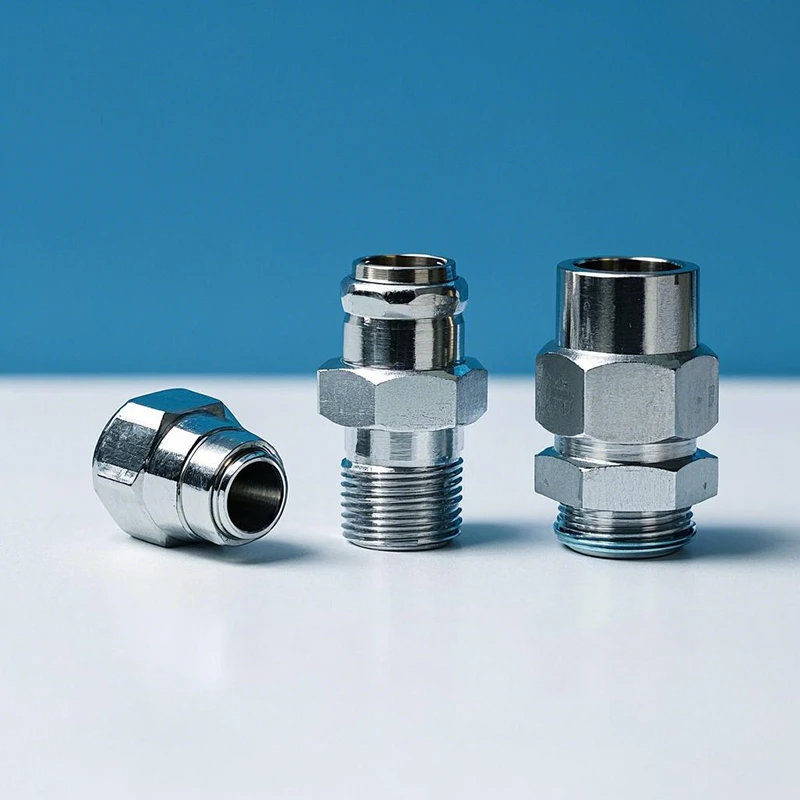

- Nuclear Power Plants: In nuclear power plants, thread nuts are used in various components, such as valves, pumps, and piping systems. These thread nuts are exposed to high - level radiation, as well as high temperatures and corrosive environments. Radiation - resistant thread nuts are essential to ensure the long - term safety and reliability of the plant.
- Medical Imaging and Radiation Therapy: In medical applications, such as X - ray machines and radiation therapy equipment, thread nuts are used to assemble and secure components. Although the radiation levels in these applications are generally lower than in nuclear power plants, long - term exposure can still cause damage to the thread nuts. Radiation - resistant materials can help to extend the lifespan of the equipment and reduce the risk of component failure.
- Space Exploration: In space, spacecraft are exposed to cosmic radiation, which consists of high - energy protons and heavy ions. Thread nuts used in space applications need to be radiation - resistant to withstand the harsh radiation environment. The radiation can cause damage to the thread nuts, which could lead to structural failures and compromise the mission.
Our Offerings as a Thread Nuts Supplier
As a thread nuts supplier, we understand the importance of providing high - quality products that meet the specific requirements of our customers. We offer a wide range of thread nuts made from different materials, including radiation - resistant options.
- Stainless Steel Thread Nuts: Our stainless steel thread nuts are made from high - quality stainless steel alloys that provide good radiation resistance. We can also offer customized solutions for applications with specific radiation requirements. For example, we can supply thread nuts with special surface treatments or heat treatments to enhance their radiation resistance.
- High - Performance Plastic Thread Nuts: We also offer thread nuts made from high - performance plastics, such as PEEK. These thread nuts are lightweight, have good chemical resistance, and are relatively radiation - resistant. They are suitable for applications where weight reduction and radiation resistance are both important, such as in aerospace and medical devices.
In addition to thread nuts, we also supply other related products, such as Threaded Pipe Flange, Hydraulic Swivel Connector, and Adapter Hydraulic Hose Fittings. These products are designed to work seamlessly with our thread nuts, providing a complete solution for your industrial needs.
Conclusion
In conclusion, while thread nuts are not inherently radiation - resistant, certain materials, such as stainless steel and high - performance plastics, can offer some degree of radiation resistance. The radiation resistance of thread nuts depends on various factors, including the material, radiation dose, temperature, and duration of exposure. As a thread nuts supplier, we are committed to providing our customers with high - quality products that meet their specific requirements, including radiation - resistant options.
If you are in need of thread nuts or other related products for applications where radiation resistance is a concern, we encourage you to contact us for a detailed discussion. Our team of experts is ready to assist you in selecting the right products and providing customized solutions to meet your needs.
References
- ASM Handbook Volume 1: Properties and Selection: Irons, Steels, and High - Performance Alloys.
- Radiation Effects in Solids by James K. Tuli.
- Materials Science and Engineering: An Introduction by William D. Callister, Jr. and David G. Rethwisch.