

As a supplier of Thread Nuts, I've often been asked about the magnetic properties of these essential components. In this blog post, I'll delve into the science behind thread nuts and explore whether they possess any magnetic characteristics.
Understanding Thread Nuts
Thread nuts are fundamental fasteners used in a wide range of industries, from automotive and aerospace to construction and manufacturing. They are designed to mate with threaded bolts or screws, providing a secure connection that can withstand various levels of stress and vibration. Thread Nuts come in different shapes, sizes, and materials, each tailored to specific applications.
The Role of Material in Magnetic Properties
The magnetic properties of thread nuts primarily depend on the material from which they are made. Most commonly, thread nuts are manufactured from materials such as steel, stainless steel, brass, and aluminum. Let's take a closer look at each of these materials and their magnetic characteristics:
Steel
Steel is a popular choice for thread nuts due to its high strength and durability. It is an alloy primarily composed of iron, with varying amounts of carbon and other elements. Iron is ferromagnetic, which means it can be magnetized and attracted to magnets. As a result, steel thread nuts typically exhibit magnetic properties. However, the degree of magnetism can vary depending on the specific composition of the steel and the manufacturing process.
Stainless Steel
Stainless steel is another widely used material for thread nuts, especially in applications where corrosion resistance is crucial. There are different grades of stainless steel, and their magnetic properties can vary significantly. Austenitic stainless steels, such as 304 and 316, are generally non - magnetic. These grades contain high levels of chromium and nickel, which disrupt the magnetic domains in the steel, preventing it from being easily magnetized. On the other hand, ferritic and martensitic stainless steels, like 430 and 410, are magnetic due to their higher iron content and specific crystal structures.
Brass
Brass is an alloy of copper and zinc. Copper and zinc are both non - magnetic metals. Therefore, brass thread nuts do not possess magnetic properties. Brass is often chosen for its excellent corrosion resistance, electrical conductivity, and aesthetic appeal. It is commonly used in applications where a non - magnetic fastener is required, such as in electrical or electronic equipment.
Aluminum
Aluminum is a lightweight and non - magnetic metal. Thread nuts made from aluminum are ideal for applications where weight reduction is a priority, such as in the aerospace and automotive industries. Since aluminum does not contain iron or other ferromagnetic elements, it does not exhibit magnetic properties.
Applications and Considerations
The magnetic properties of thread nuts can have significant implications for their applications. Here are some scenarios where the presence or absence of magnetism is a critical factor:
Electrical and Electronic Applications
In electrical and electronic equipment, non - magnetic thread nuts are often preferred to prevent interference with magnetic fields generated by components such as transformers, motors, and sensors. Adapter Hydraulic Hose Fittings and other parts used in these systems may also require non - magnetic fasteners to ensure proper functioning.
Magnetic Environments
In environments where strong magnetic fields are present, such as in MRI machines or magnetic separation equipment, magnetic thread nuts can pose a risk. They may be attracted to the magnetic field, causing misalignment or damage to the equipment. In such cases, non - magnetic materials like brass or aluminum are the better choice.
Assembly and Handling
Magnetic thread nuts can be advantageous in some assembly processes. They can be easily picked up and held in place by magnetic tools, which can improve efficiency and accuracy during installation. However, in situations where the nuts need to be separated or sorted, the magnetic attraction can make the process more difficult.
Testing the Magnetic Properties of Thread Nuts
If you need to determine whether a particular thread nut is magnetic, you can perform a simple test using a permanent magnet. Simply bring the magnet close to the nut and observe if there is an attraction. If the nut is attracted to the magnet, it has magnetic properties. Keep in mind that this test only provides a basic indication, and more sophisticated testing methods may be required for precise analysis.
Our Offerings as a Thread Nuts Supplier
As a leading supplier of thread nuts, we understand the importance of providing high - quality products that meet the diverse needs of our customers. We offer a wide range of thread nuts made from different materials, including steel, stainless steel, brass, and aluminum. Whether you require magnetic or non - magnetic thread nuts, we can provide the right solution for your application.
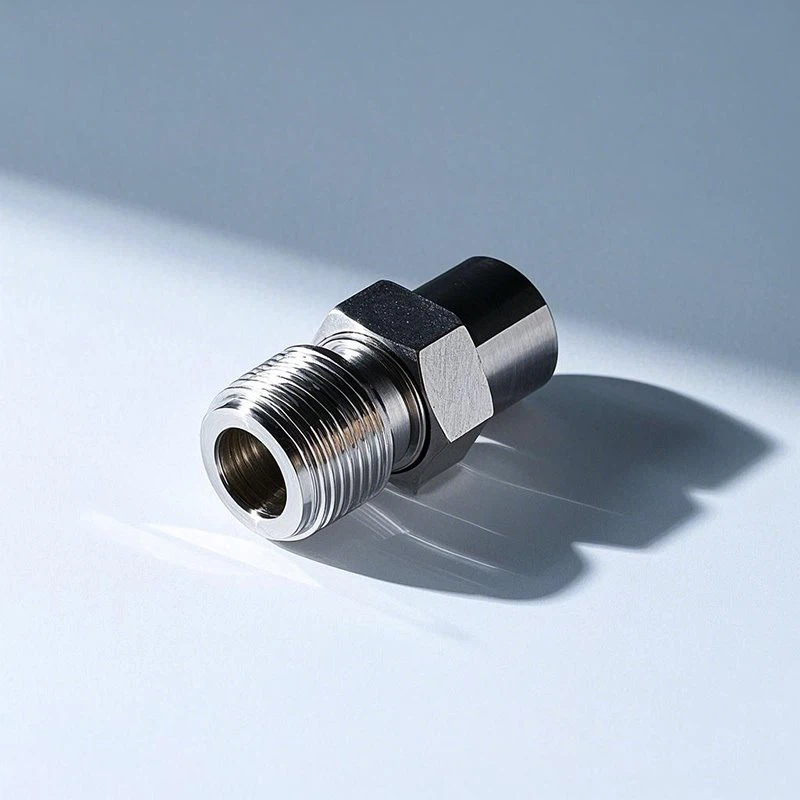
In addition to thread nuts, we also supply Adapter Hydraulic Hose Fittings and Hydraulic Swivel Connector. Our products are manufactured to the highest standards and undergo rigorous quality control to ensure reliability and performance.

Contact Us for Your Thread Nuts Needs
If you are in the market for thread nuts or other hydraulic adapter products, we invite you to contact us. Our team of experts is ready to assist you in selecting the right products for your specific requirements. Whether you need a small quantity for a prototype or a large order for a production run, we can provide competitive pricing and timely delivery.
Don't hesitate to reach out to us to discuss your project and explore how our products can meet your needs. We look forward to the opportunity to work with you and provide you with the best solutions for your fastening and hydraulic adapter requirements.
References
- Callister, W. D., & Rethwisch, D. G. (2017). Materials Science and Engineering: An Introduction. Wiley.
- ASM Handbook Committee. (2004). ASM Handbook Volume 1: Properties and Selection: Irons, Steels, and High - Performance Alloys. ASM International.