

Are metric nuts suitable for high - pressure applications?
As a supplier of metric nuts, I've been frequently asked whether metric nuts are suitable for high - pressure applications. This is a crucial question that requires a comprehensive understanding of both the characteristics of metric nuts and the demands of high - pressure environments.
Understanding Metric Nuts
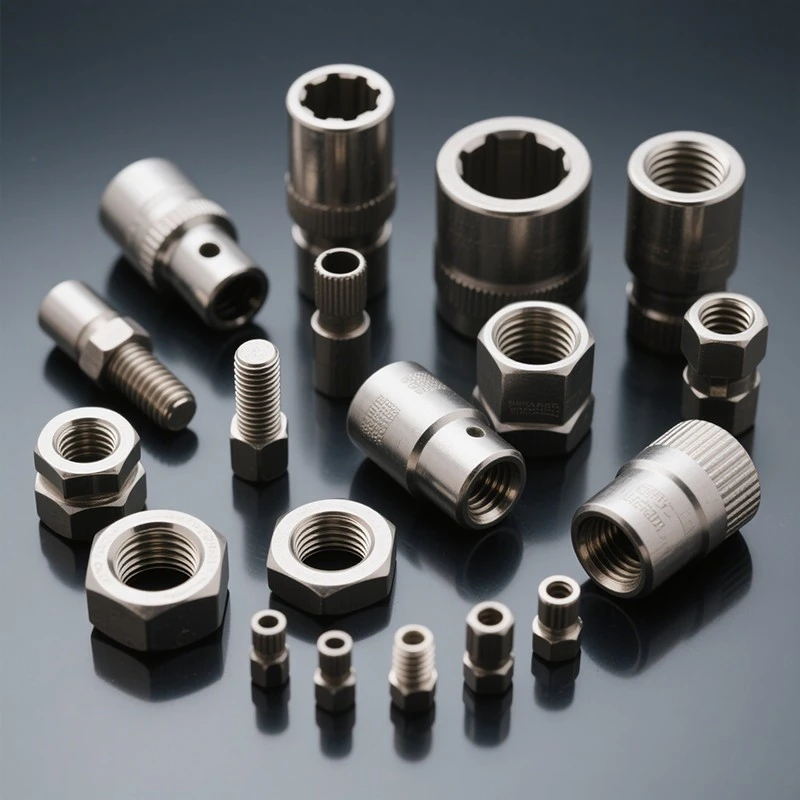
Metric nuts are standardized fasteners that follow the metric system, which is widely used around the world. They come in various types, such as Hex Head Barrel Nut, Barrel Nut, and Hex Bolt Nut. Each type has its unique design and application scenarios.
The metric system offers a high level of precision in dimensions. The thread pitch, diameter, and other critical parameters are precisely defined, which ensures a consistent fit and reliable performance. This precision is essential in high - pressure applications where even the slightest deviation can lead to failure.

Factors Affecting Suitability for High - Pressure Applications
Material
The material of metric nuts is a primary factor determining their suitability for high - pressure applications. Common materials include carbon steel, stainless steel, and alloy steel. Carbon steel nuts are cost - effective and have good strength. However, they may be prone to corrosion in certain environments. Stainless steel nuts, on the other hand, offer excellent corrosion resistance, making them suitable for high - pressure applications in harsh conditions such as marine or chemical industries. Alloy steel nuts are known for their high strength and toughness, which can withstand extremely high pressures.
For example, in a high - pressure hydraulic system, alloy steel metric nuts are often preferred because they can handle the intense forces generated by the fluid pressure without deforming or failing.
Thread Design
The thread design of metric nuts also plays a vital role. A well - designed thread can distribute the load evenly along the engaged threads, reducing the stress concentration at any single point. Metric threads are typically designed with a specific profile, such as the ISO metric thread, which has a 60 - degree angle. This design provides a good balance between strength and ease of assembly.
In high - pressure applications, fine - pitched threads may be more suitable than coarse - pitched threads. Fine - pitched threads have a greater number of threads per unit length, which means they can provide a higher clamping force and better resistance to loosening under vibration.
Manufacturing Quality
The manufacturing quality of metric nuts is another critical factor. High - quality manufacturing processes ensure that the nuts have accurate dimensions, smooth surfaces, and consistent mechanical properties. Any defects in the manufacturing process, such as cracks, porosity, or improper heat treatment, can significantly reduce the nut's ability to withstand high pressures.
A reliable metric nut supplier should have strict quality control measures in place, including inspections at various stages of production. This ensures that only nuts that meet the required standards are delivered to customers.
Advantages of Using Metric Nuts in High - Pressure Applications
Standardization
One of the significant advantages of metric nuts is their standardization. Since they follow a globally recognized metric system, it is easier to source replacement parts and ensure compatibility with other components in the system. This standardization also allows for better interchangeability, which is crucial in high - pressure applications where downtime for maintenance or repair should be minimized.
Wide Range of Sizes and Types
Metric nuts are available in a wide range of sizes and types, which provides flexibility in design and application. Whether you need a small nut for a precision instrument or a large nut for a heavy - duty industrial application, there is a metric nut that can meet your requirements.
For instance, in a high - pressure pipeline system, different sizes of metric nuts may be used to secure flanges, valves, and other components. The ability to choose the right size and type of nut ensures the proper functioning of the entire system.
Limitations and Considerations
Temperature Effects
In high - pressure applications, temperature can have a significant impact on the performance of metric nuts. High temperatures can cause the material to expand, which may affect the clamping force and the overall integrity of the joint. On the other hand, low temperatures can make the material more brittle, increasing the risk of fracture.
Therefore, it is essential to consider the operating temperature range when selecting metric nuts for high - pressure applications. Special materials or coatings may be required to ensure the nuts can maintain their performance under extreme temperature conditions.
Fatigue and Vibration
High - pressure applications often involve cyclic loading and vibration. Over time, these factors can cause fatigue failure in the nuts. Fatigue failure occurs when the material is subjected to repeated stress cycles, leading to the initiation and propagation of cracks.
To prevent fatigue failure, proper measures should be taken, such as using locking mechanisms or selecting nuts with high fatigue resistance. For example, self - locking metric nuts can be used to prevent loosening under vibration, which helps to maintain the clamping force and reduce the risk of failure.
Case Studies
Let's take a look at some real - world case studies to illustrate the suitability of metric nuts in high - pressure applications.
In a high - pressure steam boiler system, stainless steel metric nuts are used to secure the various components. The high - temperature and high - pressure environment require nuts that can withstand corrosion and high forces. The stainless steel material provides the necessary corrosion resistance, while the metric thread design ensures a reliable connection. Over time, these nuts have proven to be durable and effective in maintaining the integrity of the boiler system.
In an automotive engine's high - pressure fuel injection system, alloy steel metric nuts are used to fasten the fuel injectors. The fine - pitched threads of these nuts provide a high clamping force, which is essential to prevent fuel leakage under high pressure. The high - quality manufacturing of the nuts ensures that they can withstand the intense vibrations and thermal cycling in the engine environment.
Conclusion
In conclusion, metric nuts can be highly suitable for high - pressure applications when the right factors are considered. The material, thread design, manufacturing quality, and other aspects all contribute to the nut's ability to withstand high pressures. While there are some limitations and considerations, such as temperature effects and fatigue, proper selection and application can overcome these challenges.
If you are in need of metric nuts for high - pressure applications, I encourage you to reach out to discuss your specific requirements. We have a wide range of metric nuts available, and our team of experts can help you choose the most suitable products for your project.
References
- Machinery's Handbook, 31st Edition
- ASME Boiler and Pressure Vessel Code
- ISO standards related to metric fasteners