

Are Long Weld Neck Flanges suitable for large - diameter pipelines?

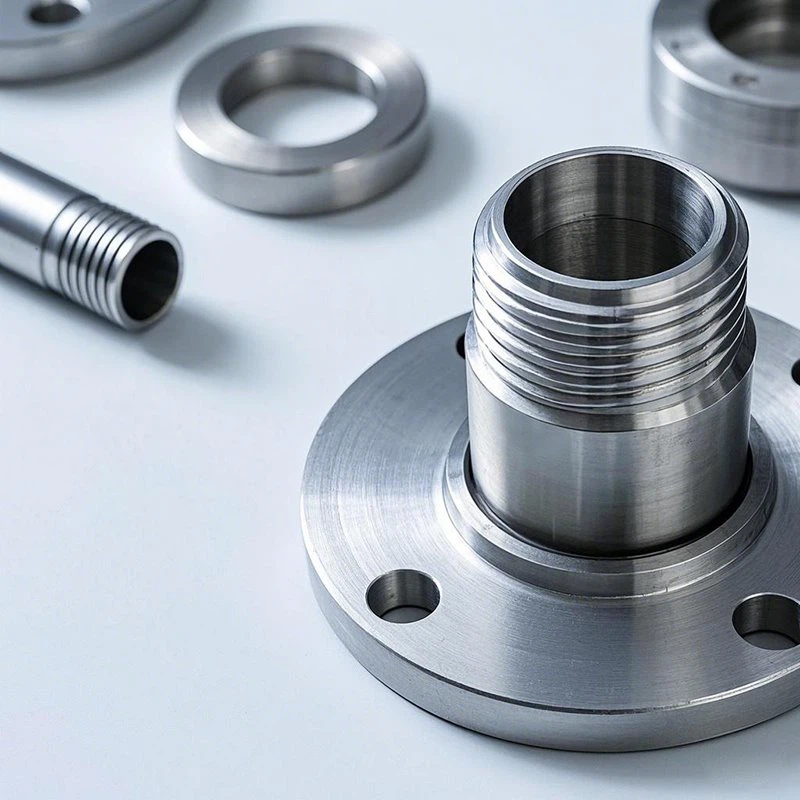
As a supplier of long weld neck flanges, I've been involved in countless discussions regarding their application, especially when it comes to large - diameter pipelines. In this blog, I'll delve into the characteristics of long weld neck flanges and evaluate their suitability for large - diameter pipeline systems.
Understanding Long Weld Neck Flanges
Long weld neck flanges are a type of pipe flange known for their extended neck. This design feature offers several distinct advantages. The long neck provides additional reinforcement to the pipeline, distributing stress more evenly along the flange and the pipe. It also reduces the concentration of stress at the weld joint, which is crucial for maintaining the integrity of the pipeline over time.
The manufacturing process of long weld neck flanges typically involves forging, which results in a high - quality, dense structure. This makes them highly resistant to corrosion, pressure, and temperature variations. They are commonly made from a variety of materials, including carbon steel, stainless steel, and alloy steel, to meet different application requirements.
Advantages of Long Weld Neck Flanges for Large - Diameter Pipelines
1. Stress Distribution
Large - diameter pipelines are often subjected to significant internal pressure and external forces. The long neck of the weld neck flange acts as a transition piece between the flange and the pipe, gradually transferring the stress from the flange to the pipe. This helps to prevent stress concentrations that could lead to cracking or failure, especially in high - pressure applications. For example, in oil and gas pipelines where large - diameter pipes are used to transport fluids over long distances, the proper stress distribution provided by long weld neck flanges is essential for the safety and reliability of the system.
2. Alignment and Installation
In large - diameter pipeline projects, proper alignment of the pipes is crucial. Long weld neck flanges are easier to align compared to other types of flanges. The long neck provides a clear reference point for alignment, which simplifies the installation process. This is particularly important when dealing with large and heavy pipes, as misalignment can cause leaks, reduce the efficiency of the pipeline, and even lead to catastrophic failures.
3. Corrosion Resistance
Large - diameter pipelines are often exposed to harsh environments, such as seawater in offshore applications or corrosive chemicals in industrial settings. Long weld neck flanges made from corrosion - resistant materials, such as stainless steel, can withstand these harsh conditions. The long neck also provides an additional layer of protection, as it reduces the direct contact between the corrosive medium and the weld joint.
4. High - Temperature and High - Pressure Resistance
Many large - diameter pipelines are used in high - temperature and high - pressure applications, such as power generation plants and refineries. Long weld neck flanges are designed to handle these extreme conditions. The forged structure and the proper stress distribution make them capable of withstanding high temperatures and pressures without deforming or failing.
Considerations and Limitations
1. Cost
One of the main considerations when using long weld neck flanges for large - diameter pipelines is the cost. The manufacturing process of long weld neck flanges is more complex and time - consuming compared to other types of flanges. Additionally, the materials used, especially corrosion - resistant alloys, can be expensive. This can significantly increase the overall cost of the pipeline project.
2. Weight
Long weld neck flanges are generally heavier than other types of flanges. In large - diameter pipelines, the additional weight can pose challenges during installation and transportation. Special equipment may be required to handle the heavy flanges, which can add to the cost and complexity of the project.
3. Space Requirements
The long neck of the weld neck flange requires more space compared to other types of flanges. In some applications where space is limited, such as in compact industrial plants or offshore platforms, the use of long weld neck flanges may not be feasible.
Alternatives and Complementary Flanges
While long weld neck flanges have many advantages for large - diameter pipelines, there are also alternative and complementary flanges that can be considered. For example, Flat Face Weld Neck Flange can be used in applications where a flat sealing surface is required. These flanges are suitable for low - pressure and non - critical applications.
Stainless Steel Socket Weld Flange is another option. Socket weld flanges are easier to install and require less space compared to long weld neck flanges. They are often used in small - to medium - diameter pipelines or in applications where the pressure is relatively low.
Weld Neck Blind Flange can be used to close the end of a pipeline. These flanges have the same long neck design as regular weld neck flanges, providing similar stress distribution and corrosion resistance properties.
Conclusion
In conclusion, long weld neck flanges are generally suitable for large - diameter pipelines, especially in high - pressure, high - temperature, and corrosive environments. Their ability to distribute stress, simplify alignment, and resist corrosion makes them a reliable choice for many pipeline applications. However, the cost, weight, and space requirements should also be carefully considered.
If you are planning a large - diameter pipeline project and are considering the use of long weld neck flanges, I encourage you to contact us for more information. Our team of experts can help you evaluate your specific requirements and provide the best solutions for your project. We have a wide range of long weld neck flanges in different sizes, materials, and specifications to meet your needs. Let's discuss your project and find the perfect flanges for your pipeline system.
References
- ASME B16.5 - Pipe Flanges and Flanged Fittings: NPS 1/2 through NPS 24 Metric/Inch Standard.
- API 6A - Specification for Wellhead and Christmas Tree Equipment.
- ASTM A105/A105M - Standard Specification for Carbon Steel Forgings for Piping Applications.